

قربانی کا وقت
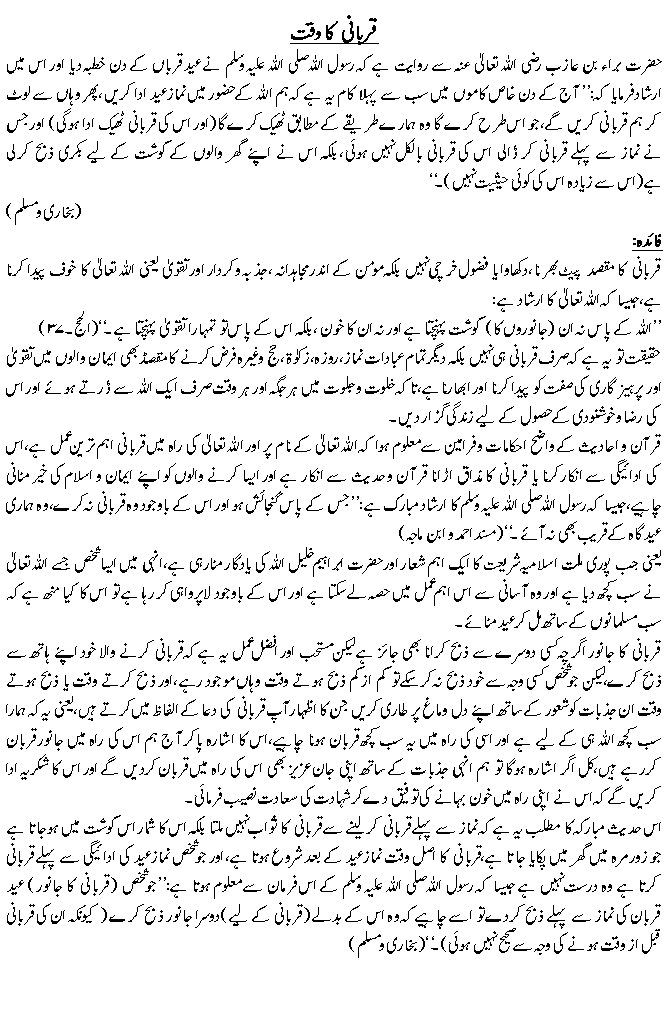
حضرت براء بن عازب رضی اللہ تعالیٰ عنہ سے روایت ہے کہ رسول اللہ صلی اللہ علیہ وسلم نے عیدِ قرباں کے دن خطبہ دیا اور اس میں ارشاد فرمایا کہ: ”آج کے دن ہمارے خاص کاموں میں سب سے پہلا کام یہ ہے کہ ہم اللہ کے حضور نماز عید ادا کریں، پھر ہم واپس لوٹ کر قربانی کریں گے، جو اس طرح کرے گا وہ ہمارے طریقے کے مطابق ٹھیک ادا کرے گا (اور اس کی قربانی ٹھیک ادا ہوگی) اور جس نے نماز سے پہلے قربانی کر ڈالی اس کی قربانی بالکل نہیں ہوئی، بلکہ اس نے اپنے گھر والوں کے لیے گوشت کے لیے بکری ذبح کر لی ہے (اس سے زیادہ اس کی کوئی حیثیت نہیں)۔“ (بخاری و مسلم)
قربانی کا مقصد پیٹ بھرنا، دکھاوا یا فضول خرچی نہیں بلکہ مومن کے اندر مجاہدانہ جذبہ و کردار اور تقویٰ یعنی اللہ تعالیٰ کا خوف پیدا کرنا ہے، جیسا کہ اللہ تعالیٰ کا ارشاد ہے:
”اللہ کے پاس نہ ان (جانوروں کا) گوشت پہنچتا ہے اور نہ ان کا خون، بلکہ اس کے پاس تو تمہارا تقویٰ پہنچتا ہے۔“ (الحج ۳۷)
حقیقت تو یہ ہے کہ صرف قربانی ہی نہیں بلکہ دیگر تمام عبادات نماز، روزہ، زکوٰۃ، حج وغیرہ فرض کرنے کا مقصد بھی ایمان والوں میں تقویٰ اور پرہیز گاری کی صفت کو پیدا کرنا اور ابھارنا ہے، تا کہ خلوت و جلوت میں ہر جگہ اور ہر وقت صرف ایک اللہ سے ڈرتے ہوئے اور اس کی رضا و خوشنودی کے حصول کے لیے زندگی گزار دیں۔
قرآن و احادیث کے واضح احکامات و فرامین سے معلوم ہوا کہ اللہ تعالیٰ کے نام پر اور اللہ تعالیٰ کی راہ میں قربانی اہم ترین عمل ہے، اس کی ادائیگی سے انکار کرنا یا قربانی کا مذاق اڑانا قرآن و حدیث سے انکار ہے اور ایسا کرنے والوں کو اپنے ایمان و اسلام کی خبر لینی چاہیے، جیسا کہ رسول اللہ صلی اللہ علیہ وسلم کا ارشاد مبارک ہے: ”جس کے پاس گنجائش ہو اور اس کے باوجود وہ قربانی نہ کرے، وہ ہماری عید گاہ کے قریب بھی نہ آئے۔“ (مسند احمد و ابن ماجہ)
یعنی جب پوری ملتِ اسلامیہ شریعت کا ایک اہم شعار اور حضرت ابراہیم خلیل اللہ کی یادگار منا رہی ہے، انہی میں ایسا شخص جسے اللہ تعالیٰ نے سب کچھ دیا ہے اور وہ اس آسانی سے اس اہم عمل میں حصہ لے سکتا ہے اور اس کے باوجود لاپرواہی کر رہا ہے تو اس کا کیا منہ ہے کہ سب مسلمانوں کے ساتھ مل کر عید منائے۔
قربانی کا جانور اگر چہ کسی دوسرے سے ذبح کرانا بھی جائز ہے لیکن مستحب اور افضل عمل یہ ہے کہ قربانی کرنے والا خود اپنے ہاتھ سے ذبح کرے، لیکن جو شخص کسی وجہ سے خود ذبح نہ کر سکے تو کم از کم ذبح ہوتے وقت وہاں موجود رہے، اور ذبح کرتے وقت یا ذبح ہوتے وقت ان جذبات کو شعور کے ساتھ اپنے دل و دماغ پر طاری کریں جن کا اظہار آپ قربانی کی دعا کے الفاظ میں کرتے ہیں، یعنی یہ کہ ہمارا سب کچھ اللہ ہی کے لیے ہے اور اسی کی راہ میں یہ سب کچھ قربان ہونا چاہیے، اس کا اشارہ پاکر آج ہم اس کی راہ میں جانور قربان کر رہے ہیں، کل اگر اشارہ ہوگا تو ہم انہی جذبات کے ساتھ اپنی جان عزیز بھی اس کی راہ میں قربان کردیں گے اور اس کا شکریہ ادا کریں گے کہ اس نے اپنی راہ میں خون بہانے کی توفیق دے کر شہادت کی سعادت نصیب فرمائی۔
اس حدیث مبارکہ کا مطلب یہ ہے کہ نماز سے پہلے قربانی کر لینے سے قربانی کا ثواب نہیں ملتا بلکہ اس کا شمار اس گوشت میں ہو جاتا ہے جو روزمرہ گھر میں پکایا جاتا ہے، قربانی کا اصل وقت نمازِ عید کے بعد شروع ہوتا ہے، اور جو شخص نمازِ عید کی ادائیگی سے پہلے قربانی کرتا ہے وہ درست نہیں ہے، جیسا کہ رسول اللہ صلی اللہ علیہ وسلم کے اس فرمان سے معلوم ہوتا ہے: ”جو شخص (قربانی کا جانور) عید کی نماز سے پہلے ذبح کردے تو اسے چاہیے کہ وہ اس کے بدلے (قربانی کے لیے) دوسرا جانور ذبح کرے (کیونکہ ان کی قربانی قبل از وقت ہونے کی وجہ سے صحیح نہیں ہوئی)۔“ (بخاری و مسلم)
”اللہ کے پاس نہ ان (جانوروں کا) گوشت پہنچتا ہے اور نہ ان کا خون، بلکہ اس کے پاس تو تمہارا تقویٰ پہنچتا ہے۔“ (الحج ۳۷)
حقیقت تو یہ ہے کہ صرف قربانی ہی نہیں بلکہ دیگر تمام عبادات نماز، روزہ، زکوٰۃ، حج وغیرہ فرض کرنے کا مقصد بھی ایمان والوں میں تقویٰ اور پرہیز گاری کی صفت کو پیدا کرنا اور ابھارنا ہے، تا کہ خلوت و جلوت میں ہر جگہ اور ہر وقت صرف ایک اللہ سے ڈرتے ہوئے اور اس کی رضا و خوشنودی کے حصول کے لیے زندگی گزار دیں۔
قرآن و احادیث کے واضح احکامات و فرامین سے معلوم ہوا کہ اللہ تعالیٰ کے نام پر اور اللہ تعالیٰ کی راہ میں قربانی اہم ترین عمل ہے، اس کی ادائیگی سے انکار کرنا یا قربانی کا مذاق اڑانا قرآن و حدیث سے انکار ہے اور ایسا کرنے والوں کو اپنے ایمان و اسلام کی خبر لینی چاہیے، جیسا کہ رسول اللہ صلی اللہ علیہ وسلم کا ارشاد مبارک ہے: ”جس کے پاس گنجائش ہو اور اس کے باوجود وہ قربانی نہ کرے، وہ ہماری عید گاہ کے قریب بھی نہ آئے۔“ (مسند احمد و ابن ماجہ)
یعنی جب پوری ملتِ اسلامیہ شریعت کا ایک اہم شعار اور حضرت ابراہیم خلیل اللہ کی یادگار منا رہی ہے، انہی میں ایسا شخص جسے اللہ تعالیٰ نے سب کچھ دیا ہے اور وہ اس آسانی سے اس اہم عمل میں حصہ لے سکتا ہے اور اس کے باوجود لاپرواہی کر رہا ہے تو اس کا کیا منہ ہے کہ سب مسلمانوں کے ساتھ مل کر عید منائے۔
قربانی کا جانور اگر چہ کسی دوسرے سے ذبح کرانا بھی جائز ہے لیکن مستحب اور افضل عمل یہ ہے کہ قربانی کرنے والا خود اپنے ہاتھ سے ذبح کرے، لیکن جو شخص کسی وجہ سے خود ذبح نہ کر سکے تو کم از کم ذبح ہوتے وقت وہاں موجود رہے، اور ذبح کرتے وقت یا ذبح ہوتے وقت ان جذبات کو شعور کے ساتھ اپنے دل و دماغ پر طاری کریں جن کا اظہار آپ قربانی کی دعا کے الفاظ میں کرتے ہیں، یعنی یہ کہ ہمارا سب کچھ اللہ ہی کے لیے ہے اور اسی کی راہ میں یہ سب کچھ قربان ہونا چاہیے، اس کا اشارہ پاکر آج ہم اس کی راہ میں جانور قربان کر رہے ہیں، کل اگر اشارہ ہوگا تو ہم انہی جذبات کے ساتھ اپنی جان عزیز بھی اس کی راہ میں قربان کردیں گے اور اس کا شکریہ ادا کریں گے کہ اس نے اپنی راہ میں خون بہانے کی توفیق دے کر شہادت کی سعادت نصیب فرمائی۔
اس حدیث مبارکہ کا مطلب یہ ہے کہ نماز سے پہلے قربانی کر لینے سے قربانی کا ثواب نہیں ملتا بلکہ اس کا شمار اس گوشت میں ہو جاتا ہے جو روزمرہ گھر میں پکایا جاتا ہے، قربانی کا اصل وقت نمازِ عید کے بعد شروع ہوتا ہے، اور جو شخص نمازِ عید کی ادائیگی سے پہلے قربانی کرتا ہے وہ درست نہیں ہے، جیسا کہ رسول اللہ صلی اللہ علیہ وسلم کے اس فرمان سے معلوم ہوتا ہے: ”جو شخص (قربانی کا جانور) عید کی نماز سے پہلے ذبح کردے تو اسے چاہیے کہ وہ اس کے بدلے (قربانی کے لیے) دوسرا جانور ذبح کرے (کیونکہ ان کی قربانی قبل از وقت ہونے کی وجہ سے صحیح نہیں ہوئی)۔“ (بخاری و مسلم)
English translation
It is narrated from Bara ibn Azib (may Allah be pleased with him) that the Messenger of Allah (peace and blessings be upon him) delivered a sermon on the day of Eid al-Adha and said: "The first of our special tasks on this day is that we offer the Eid prayer before Allah; then we return and offer the sacrifice. Whoever does so has acted correctly according to our way (and his sacrifice is valid); but whoever slaughters before the prayer, his sacrifice is not a sacrifice at all — he has merely slaughtered a goat for meat for his household (it has no more standing than that)."
The aim of sacrifice is not to fill the belly, nor show, nor extravagance, but to create in the believer a striving spirit and character and taqwa — the fear of Allah. As Allah says: "Neither their flesh nor their blood reaches Allah, but what reaches Him is your piety." (Al-Hajj 22:37) In truth, not only sacrifice but all acts of worship — prayer, fasting, zakat, Hajj and the rest — were made obligatory to create and awaken the quality of taqwa and God-fearing in the believers, so that in private and public, everywhere and at all times, they fear Allah alone and spend their lives seeking His pleasure.
The clear commands of the Qur'an and hadith show that sacrifice in Allah's name and in His path is a most important act; to refuse to offer it or to mock it is to reject the Qur'an and Sunnah, and whoever does so should take account of his own faith and Islam. As the Messenger of Allah (peace and blessings be upon him) said: "Whoever has the means and yet does not sacrifice, let him not even come near our place of Eid prayer." (Musnad Ahmad and Ibn Majah)
That is, when the whole Muslim community is observing an important symbol of the Sacred Law and a memorial of Ibrahim, the Friend of Allah — how can one to whom Allah has given everything, who can so easily take part in this important act, yet is negligent of it, have the face to celebrate Eid together with all the Muslims?
Although it is permissible to have someone else slaughter the sacrificial animal, the recommended and more meritorious act is for the one offering the sacrifice to slaughter it with his own hand; but one who for some reason cannot do so should at least be present at the time of slaughter, and while slaughtering, or while it is being slaughtered, consciously call to mind the feelings expressed in the words of the sacrificial prayer — namely, that everything we have is for Allah alone and should be offered in His path; taking this as a sign, today we sacrifice an animal in His path, and tomorrow, if the sign comes, we would with these same feelings sacrifice even our own dear lives in His path and thank Him for granting us, by enabling us to shed blood in His way, the honour of martyrdom.
The meaning of this hadith is that offering the sacrifice before the prayer earns no reward of sacrifice; it merely counts as the ordinary meat cooked at home. The proper time of sacrifice begins after the Eid prayer, and one who sacrifices before offering the Eid prayer is not correct, as is clear from the Prophet's words: "Whoever slaughters (the sacrificial animal) before the Eid prayer must slaughter another in its place (for the sacrifice), because his sacrifice, being before its time, was not valid." (Bukhari and Muslim)
The aim of sacrifice is not to fill the belly, nor show, nor extravagance, but to create in the believer a striving spirit and character and taqwa — the fear of Allah. As Allah says: "Neither their flesh nor their blood reaches Allah, but what reaches Him is your piety." (Al-Hajj 22:37) In truth, not only sacrifice but all acts of worship — prayer, fasting, zakat, Hajj and the rest — were made obligatory to create and awaken the quality of taqwa and God-fearing in the believers, so that in private and public, everywhere and at all times, they fear Allah alone and spend their lives seeking His pleasure.
The clear commands of the Qur'an and hadith show that sacrifice in Allah's name and in His path is a most important act; to refuse to offer it or to mock it is to reject the Qur'an and Sunnah, and whoever does so should take account of his own faith and Islam. As the Messenger of Allah (peace and blessings be upon him) said: "Whoever has the means and yet does not sacrifice, let him not even come near our place of Eid prayer." (Musnad Ahmad and Ibn Majah)
That is, when the whole Muslim community is observing an important symbol of the Sacred Law and a memorial of Ibrahim, the Friend of Allah — how can one to whom Allah has given everything, who can so easily take part in this important act, yet is negligent of it, have the face to celebrate Eid together with all the Muslims?
Although it is permissible to have someone else slaughter the sacrificial animal, the recommended and more meritorious act is for the one offering the sacrifice to slaughter it with his own hand; but one who for some reason cannot do so should at least be present at the time of slaughter, and while slaughtering, or while it is being slaughtered, consciously call to mind the feelings expressed in the words of the sacrificial prayer — namely, that everything we have is for Allah alone and should be offered in His path; taking this as a sign, today we sacrifice an animal in His path, and tomorrow, if the sign comes, we would with these same feelings sacrifice even our own dear lives in His path and thank Him for granting us, by enabling us to shed blood in His way, the honour of martyrdom.
The meaning of this hadith is that offering the sacrifice before the prayer earns no reward of sacrifice; it merely counts as the ordinary meat cooked at home. The proper time of sacrifice begins after the Eid prayer, and one who sacrifices before offering the Eid prayer is not correct, as is clear from the Prophet's words: "Whoever slaughters (the sacrificial animal) before the Eid prayer must slaughter another in its place (for the sacrifice), because his sacrifice, being before its time, was not valid." (Bukhari and Muslim)
View original image
#Group12
#Prayer
#Fasting
#Zakat
#Hajj
#Quran
#Supplication
#Prophet
#Faith
#Gratitude
#Martyrdom
#Eid
#Piety
#Reward
https://hadith.ahadees.com/hadees/1216 — Ahadees.com