

قربانی کی فضیلت
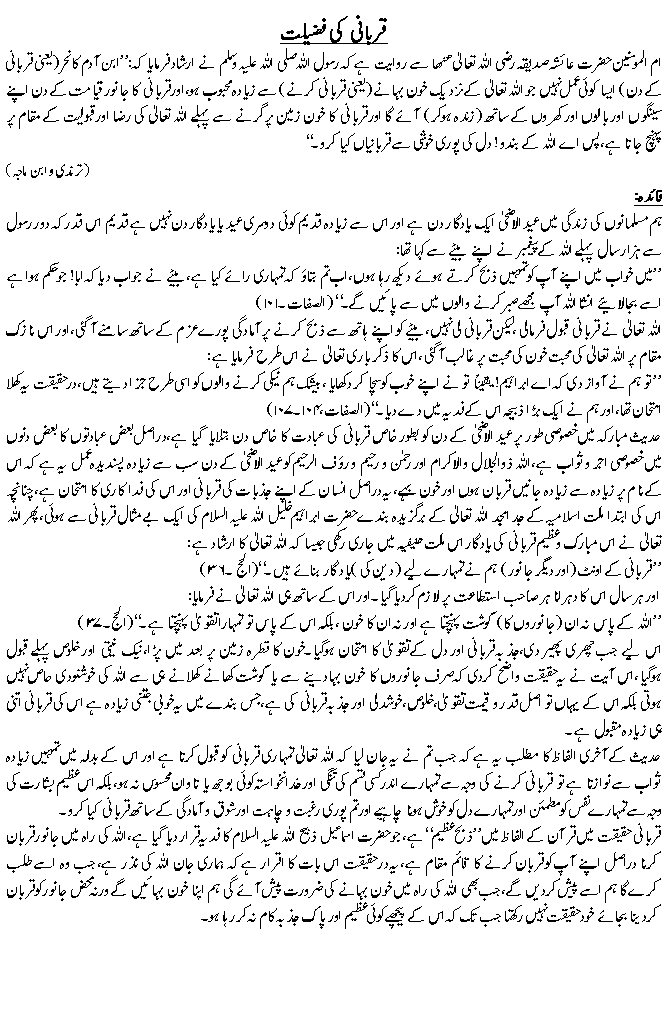
ام المؤمنین حضرت عائشہ صدیقہ رضی اللہ تعالیٰ عنہا سے روایت ہے کہ رسول اللہ صلی اللہ علیہ وسلم نے ارشاد فرمایا کہ: ”ابن آدم کا نحر (یعنی قربانی کے دن) ایسا کوئی عمل نہیں جو اللہ تعالیٰ کے نزدیک خون بہانے (یعنی قربانی کرنے) سے زیادہ محبوب ہو اور قربانی کا جانور قیامت کے دن اپنے سینگوں اور بالوں اور کھروں کے ساتھ (زندہ ہو کر) آئے گا اور قربانی کا خون زمین پر گرنے سے پہلے اللہ تعالیٰ کی رضا اور قبولیت کے مقام پر پہنچ جاتا ہے، پس اے اللہ کے بندو! دل کی پوری خوشی سے قربانیاں کیا کرو۔“ (ترمذی و ابن ماجہ)
ہم مسلمانوں کی زندگی میں عید الاضحیٰ ایک یادگار دن ہے اور اس سے زیادہ قدیم کوئی دوسری عید یا یادگار دن نہیں ہے، قدیم اس قدر کہ دور رسول سے ہزار سال پہلے اللہ کے پیغمبر نے اپنے بیٹے سے کہا تھا:
”میں خواب میں اپنے آپ کو تمہیں ذبح کرتے ہوئے دیکھ رہا ہوں، اب تم بتاؤ کہ تمہاری رائے کیا ہے، بیٹے نے جواب دیا کہ ابا! جو حکم ہوا ہے اسے بجا لائیے، انشاء اللہ آپ مجھے صبر کرنے والوں میں سے پائیں گے۔“ (الصافات ۔۱۰۲)
اللہ تعالیٰ نے قربانی قبول فرمائی، لیکن قربانی لی نہیں، بیٹے کو اپنے ہاتھ سے ذبح کرنے پر آمادگی پورے عزم کے ساتھ سامنے آگئی، اور اس نازک مقام پر اللہ تعالیٰ کی محبت خون کی محبت پر غالب آگئی، اس کا ذکر باری تعالیٰ نے اس طرح فرمایا ہے:
”تو ہم نے آواز دی کہ اے ابراہیم! یقیناً تو نے اپنے خواب کو سچا کر دکھایا، بیشک ہم نیکی کرنے والوں کو اسی طرح جزا دیتے ہیں، در حقیقت یہ کھلا امتحان تھا، اور ہم نے ایک بڑا ذبیحہ اس کے فدیہ میں دے دیا۔“ (الصافات، ۱۰۴۔۱۰۷)
حدیث مبارکہ میں خصوصی طور پر عید الاضحیٰ کے دن کو بطور خاص قربانی کی عبادت کا خاص دن بتلایا گیا ہے، دراصل بعض عبادتوں کا بعض دنوں میں خصوصی اجر و ثواب ہے، اللہ ذوالجلال والاکرام اور رحمٰن و رحیم و رؤف الرحیم کو عید الاضحیٰ کے دن سب سے زیادہ پسندیدہ عمل یہ ہے کہ اس کے نام پر زیادہ سے زیادہ جانیں قربان ہوں اور خون بہے، یہ دراصل انسان کے اپنے جذبات کی قربانی اور اس کی فداکاری کا امتحان ہے، چنانچہ اس کی ابتدا ملت اسلامیہ کے جد امجد اللہ تعالیٰ کے برگزیدہ بندے حضرت ابراہیم خلیل اللہ علیہ السلام کی ایک بے مثال قربانی سے ہوئی، پھر اللہ تعالیٰ نے اس مبارک و عظیم قربانی کی یادگار اس ملت حنیفیہ میں جاری رکھی جیسا کہ اللہ تعالیٰ کا ارشاد ہے:
”قربانی کے اونٹ (اور دیگر جانور) ہم نے تمہارے لیے (دین کی) یادگار بنائے ہیں۔“ (الحج ۔۳۶)
اور ہر سال اس کا دہرانا ہر صاحب استطاعت پر لازم کر دیا گیا۔ اور اس کے ساتھ ہی اللہ تعالیٰ نے فرمایا:
”اللہ کے پاس نہ ان (جانوروں کا) گوشت پہنچتا ہے اور نہ ان کا خون، بلکہ اس کے پاس تو تمہارا تقویٰ پہنچتا ہے۔“ (الحج ۔۳۷)
اس لیے جب چھری پھیر دی، جذبہ قربانی اور دل کے تقویٰ کا امتحان ہو گیا۔ خون کا قطرہ زمین پر بعد میں پڑا، نیک نیتی اور خلوص پہلے قبول ہو گیا، اس آیت نے یہ حقیقت واضح کر دی کہ صرف جانوروں کا خون بہا دینے سے یا گوشت کھانے کھلانے ہی سے اللہ کی خوشنودی حاصل نہیں ہوتی بلکہ اس کے یہاں تو اصل قدر و قیمت تقویٰ، خلوص، خوشدلی اور جذبہ قربانی کی ہے، جس بندے میں یہ خوبی جتنی زیادہ ہے اس کی قربانی اتنی ہی زیادہ مقبول ہے۔
حدیث کے آخری الفاظ کا مطلب یہ ہے کہ جب تم نے یہ جان لیا کہ اللہ تعالیٰ تمہاری قربانی کو قبول کرتا ہے اور اس کے بدلے میں تمہیں زیادہ ثواب سے نوازتا ہے تو قربانی کرنے کی وجہ سے تمہارے اندر کسی قسم کی تنگی اور خدانخواستہ کوئی بوجھ یا تاوان محسوس نہ ہو، بلکہ اس عظیم بشارت کی وجہ سے تمہارے نفس کو مطمئن اور تمہارے دل کو خوش ہونا چاہیے اور تم پوری رغبت و چاہت اور شوق و آمادگی کے ساتھ قربانی کیا کرو۔
قربانی حقیقت میں قرآن کے الفاظ میں ”ذبح عظیم“ ہے، جو حضرت اسماعیل ذبیح اللہ علیہ السلام کا فدیہ قرار دیا گیا ہے، اللہ کی راہ میں جانور قربان کرنا دراصل اپنے آپ کو قربان کرنے کا قائم مقام ہے، یہ در حقیقت اس بات کا اقرار ہے کہ ہماری جان اللہ کی نذر ہے، جب وہ اسے طلب کرے گا ہم اسے پیش کر دیں گے، جب بھی اللہ کی راہ میں خون بہانے کی ضرورت پیش آئے گی ہم اپنا خون بہائیں گے ورنہ محض جانور کو قربان کر دینا بجائے خود حقیقت نہیں رکھتا جب تک کہ اس کے پیچھے کوئی عظیم اور پاک جذبہ کام نہ کر رہا ہو۔
”میں خواب میں اپنے آپ کو تمہیں ذبح کرتے ہوئے دیکھ رہا ہوں، اب تم بتاؤ کہ تمہاری رائے کیا ہے، بیٹے نے جواب دیا کہ ابا! جو حکم ہوا ہے اسے بجا لائیے، انشاء اللہ آپ مجھے صبر کرنے والوں میں سے پائیں گے۔“ (الصافات ۔۱۰۲)
اللہ تعالیٰ نے قربانی قبول فرمائی، لیکن قربانی لی نہیں، بیٹے کو اپنے ہاتھ سے ذبح کرنے پر آمادگی پورے عزم کے ساتھ سامنے آگئی، اور اس نازک مقام پر اللہ تعالیٰ کی محبت خون کی محبت پر غالب آگئی، اس کا ذکر باری تعالیٰ نے اس طرح فرمایا ہے:
”تو ہم نے آواز دی کہ اے ابراہیم! یقیناً تو نے اپنے خواب کو سچا کر دکھایا، بیشک ہم نیکی کرنے والوں کو اسی طرح جزا دیتے ہیں، در حقیقت یہ کھلا امتحان تھا، اور ہم نے ایک بڑا ذبیحہ اس کے فدیہ میں دے دیا۔“ (الصافات، ۱۰۴۔۱۰۷)
حدیث مبارکہ میں خصوصی طور پر عید الاضحیٰ کے دن کو بطور خاص قربانی کی عبادت کا خاص دن بتلایا گیا ہے، دراصل بعض عبادتوں کا بعض دنوں میں خصوصی اجر و ثواب ہے، اللہ ذوالجلال والاکرام اور رحمٰن و رحیم و رؤف الرحیم کو عید الاضحیٰ کے دن سب سے زیادہ پسندیدہ عمل یہ ہے کہ اس کے نام پر زیادہ سے زیادہ جانیں قربان ہوں اور خون بہے، یہ دراصل انسان کے اپنے جذبات کی قربانی اور اس کی فداکاری کا امتحان ہے، چنانچہ اس کی ابتدا ملت اسلامیہ کے جد امجد اللہ تعالیٰ کے برگزیدہ بندے حضرت ابراہیم خلیل اللہ علیہ السلام کی ایک بے مثال قربانی سے ہوئی، پھر اللہ تعالیٰ نے اس مبارک و عظیم قربانی کی یادگار اس ملت حنیفیہ میں جاری رکھی جیسا کہ اللہ تعالیٰ کا ارشاد ہے:
”قربانی کے اونٹ (اور دیگر جانور) ہم نے تمہارے لیے (دین کی) یادگار بنائے ہیں۔“ (الحج ۔۳۶)
اور ہر سال اس کا دہرانا ہر صاحب استطاعت پر لازم کر دیا گیا۔ اور اس کے ساتھ ہی اللہ تعالیٰ نے فرمایا:
”اللہ کے پاس نہ ان (جانوروں کا) گوشت پہنچتا ہے اور نہ ان کا خون، بلکہ اس کے پاس تو تمہارا تقویٰ پہنچتا ہے۔“ (الحج ۔۳۷)
اس لیے جب چھری پھیر دی، جذبہ قربانی اور دل کے تقویٰ کا امتحان ہو گیا۔ خون کا قطرہ زمین پر بعد میں پڑا، نیک نیتی اور خلوص پہلے قبول ہو گیا، اس آیت نے یہ حقیقت واضح کر دی کہ صرف جانوروں کا خون بہا دینے سے یا گوشت کھانے کھلانے ہی سے اللہ کی خوشنودی حاصل نہیں ہوتی بلکہ اس کے یہاں تو اصل قدر و قیمت تقویٰ، خلوص، خوشدلی اور جذبہ قربانی کی ہے، جس بندے میں یہ خوبی جتنی زیادہ ہے اس کی قربانی اتنی ہی زیادہ مقبول ہے۔
حدیث کے آخری الفاظ کا مطلب یہ ہے کہ جب تم نے یہ جان لیا کہ اللہ تعالیٰ تمہاری قربانی کو قبول کرتا ہے اور اس کے بدلے میں تمہیں زیادہ ثواب سے نوازتا ہے تو قربانی کرنے کی وجہ سے تمہارے اندر کسی قسم کی تنگی اور خدانخواستہ کوئی بوجھ یا تاوان محسوس نہ ہو، بلکہ اس عظیم بشارت کی وجہ سے تمہارے نفس کو مطمئن اور تمہارے دل کو خوش ہونا چاہیے اور تم پوری رغبت و چاہت اور شوق و آمادگی کے ساتھ قربانی کیا کرو۔
قربانی حقیقت میں قرآن کے الفاظ میں ”ذبح عظیم“ ہے، جو حضرت اسماعیل ذبیح اللہ علیہ السلام کا فدیہ قرار دیا گیا ہے، اللہ کی راہ میں جانور قربان کرنا دراصل اپنے آپ کو قربان کرنے کا قائم مقام ہے، یہ در حقیقت اس بات کا اقرار ہے کہ ہماری جان اللہ کی نذر ہے، جب وہ اسے طلب کرے گا ہم اسے پیش کر دیں گے، جب بھی اللہ کی راہ میں خون بہانے کی ضرورت پیش آئے گی ہم اپنا خون بہائیں گے ورنہ محض جانور کو قربان کر دینا بجائے خود حقیقت نہیں رکھتا جب تک کہ اس کے پیچھے کوئی عظیم اور پاک جذبہ کام نہ کر رہا ہو۔
English translation
Narrated by Umm al-Mu'minin Aisha (may Allah be pleased with her): the Messenger of Allah (peace and blessings be upon him) said: "On the day of Nahr (the day of sacrifice), the son of Adam performs no deed more beloved to Allah than the shedding of blood (i.e. offering sacrifice). The sacrificial animal will come on the Day of Resurrection (alive) with its horns, its hair and its hooves, and the blood of the sacrifice reaches the place of Allah's pleasure and acceptance before it falls to the ground. So, O servants of Allah, offer your sacrifices with a whole and joyful heart."
In the life of us Muslims, Eid al-Adha is a memorable day, and there is no older Eid or memorial day than it — so old that a thousand years before the era of the Prophet (peace and blessings be upon him), a Prophet of Allah said to his son:
"I see in a dream that I am sacrificing you; now tell me, what is your view?" The son replied, "Father! Do as you have been commanded; Allah willing, you will find me among the patient." (As-Saffat, 102)
Allah accepted the sacrifice, yet did not take it; the son's readiness to be slaughtered by his own father's hand came forth with full resolve, and at that delicate moment the love of Allah prevailed over the love of blood (kin). Allah mentions this in these words:
"And We called out to him, 'O Ibrahim! You have indeed fulfilled the dream.' Thus do We reward those who do good. Truly this was the clear trial. And We ransomed him with a great sacrifice." (As-Saffat, 104–107)
In the blessed hadith, the day of Eid al-Adha in particular has been declared a special day for the worship of sacrifice. In reality, certain acts of worship carry a special reward on certain days; to Allah, the Lord of Majesty and Bounty, the Most Gracious, the Most Merciful, the Most Compassionate, the most beloved deed on the day of Eid al-Adha is that as many lives as possible be sacrificed in His name and blood be shed. This is, in reality, a test of a person's own feelings of sacrifice and of his self-devotion. Thus its beginning was with an unparalleled sacrifice by the great forefather of the Muslim community, Allah's chosen servant Ibrahim, the Friend of Allah (upon him be peace); then Allah kept the memorial of this blessed and mighty sacrifice alive in this upright community, as Allah says:
"The sacrificial camels (and other animals) — We have made them for you among the symbols (memorials) of the religion." (Al-Hajj, 36)
And its repetition every year was made obligatory upon everyone who has the means. Along with this, Allah said:
"Neither their (the animals') flesh nor their blood reaches Allah, but it is your piety that reaches Him." (Al-Hajj, 37)
So when the knife is drawn, the spirit of sacrifice and the piety of the heart are tested. The drop of blood falls to the ground afterwards; the good intention and sincerity are accepted first. This verse made it clear that Allah's pleasure is not attained merely by shedding animals' blood or by eating and feeding meat; rather, with Him the real worth and value lie in piety, sincerity, cheerfulness and the spirit of sacrifice. The more of these qualities a servant has, the more accepted his sacrifice is.
The meaning of the closing words of the hadith is this: when you have come to know that Allah accepts your sacrifice and rewards you with abundant reward in return, then, on account of offering the sacrifice, you should feel no constraint within yourself, and — God forbid — no burden or penalty; rather, on account of this great glad tiding, your nafs should be content and your heart happy, and you should offer your sacrifice with full desire, longing, eagerness and readiness.
Sacrifice is, in reality, in the words of the Qur'an, the "great sacrifice" (dhibhun 'azim) that was made the ransom of Isma'il, the sacrificed one of Allah (upon him be peace). To sacrifice an animal in the way of Allah is, in reality, a substitute for sacrificing one's own self. It is, in reality, an affirmation of the fact that our life is a pledge to Allah: whenever He asks for it, we shall present it; whenever there is a need to shed blood in the way of Allah, we shall shed our own blood. Otherwise, merely sacrificing an animal has no reality in itself, unless some great and pure spirit is at work behind it.
In the life of us Muslims, Eid al-Adha is a memorable day, and there is no older Eid or memorial day than it — so old that a thousand years before the era of the Prophet (peace and blessings be upon him), a Prophet of Allah said to his son:
"I see in a dream that I am sacrificing you; now tell me, what is your view?" The son replied, "Father! Do as you have been commanded; Allah willing, you will find me among the patient." (As-Saffat, 102)
Allah accepted the sacrifice, yet did not take it; the son's readiness to be slaughtered by his own father's hand came forth with full resolve, and at that delicate moment the love of Allah prevailed over the love of blood (kin). Allah mentions this in these words:
"And We called out to him, 'O Ibrahim! You have indeed fulfilled the dream.' Thus do We reward those who do good. Truly this was the clear trial. And We ransomed him with a great sacrifice." (As-Saffat, 104–107)
In the blessed hadith, the day of Eid al-Adha in particular has been declared a special day for the worship of sacrifice. In reality, certain acts of worship carry a special reward on certain days; to Allah, the Lord of Majesty and Bounty, the Most Gracious, the Most Merciful, the Most Compassionate, the most beloved deed on the day of Eid al-Adha is that as many lives as possible be sacrificed in His name and blood be shed. This is, in reality, a test of a person's own feelings of sacrifice and of his self-devotion. Thus its beginning was with an unparalleled sacrifice by the great forefather of the Muslim community, Allah's chosen servant Ibrahim, the Friend of Allah (upon him be peace); then Allah kept the memorial of this blessed and mighty sacrifice alive in this upright community, as Allah says:
"The sacrificial camels (and other animals) — We have made them for you among the symbols (memorials) of the religion." (Al-Hajj, 36)
And its repetition every year was made obligatory upon everyone who has the means. Along with this, Allah said:
"Neither their (the animals') flesh nor their blood reaches Allah, but it is your piety that reaches Him." (Al-Hajj, 37)
So when the knife is drawn, the spirit of sacrifice and the piety of the heart are tested. The drop of blood falls to the ground afterwards; the good intention and sincerity are accepted first. This verse made it clear that Allah's pleasure is not attained merely by shedding animals' blood or by eating and feeding meat; rather, with Him the real worth and value lie in piety, sincerity, cheerfulness and the spirit of sacrifice. The more of these qualities a servant has, the more accepted his sacrifice is.
The meaning of the closing words of the hadith is this: when you have come to know that Allah accepts your sacrifice and rewards you with abundant reward in return, then, on account of offering the sacrifice, you should feel no constraint within yourself, and — God forbid — no burden or penalty; rather, on account of this great glad tiding, your nafs should be content and your heart happy, and you should offer your sacrifice with full desire, longing, eagerness and readiness.
Sacrifice is, in reality, in the words of the Qur'an, the "great sacrifice" (dhibhun 'azim) that was made the ransom of Isma'il, the sacrificed one of Allah (upon him be peace). To sacrifice an animal in the way of Allah is, in reality, a substitute for sacrificing one's own self. It is, in reality, an affirmation of the fact that our life is a pledge to Allah: whenever He asks for it, we shall present it; whenever there is a need to shed blood in the way of Allah, we shall shed our own blood. Otherwise, merely sacrificing an animal has no reality in itself, unless some great and pure spirit is at work behind it.
View original image
https://hadith.ahadees.com/hadees/1220 — Ahadees.com