

تجارت کی اہمیت
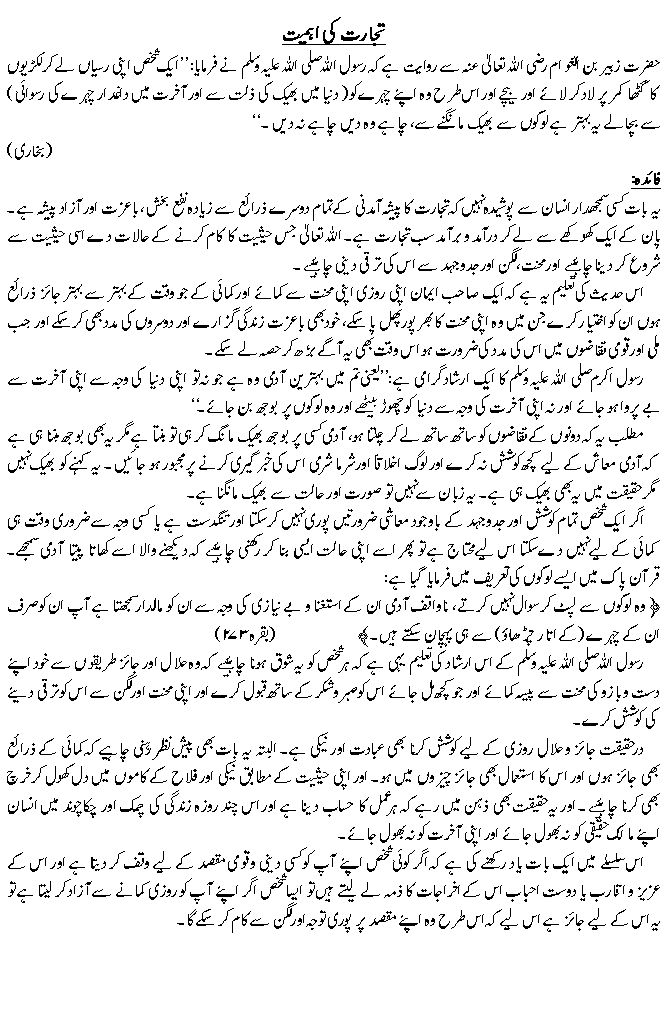
حضرت زبیر بن العوام رضی اللہ تعالیٰ عنہ سے روایت ہے کہ رسول اللہ صلی اللہ علیہ وسلم نے فرمایا: ”ایک شخص اپنی رسیاں لے کر لکڑیوں کا گٹھا کمر پر لاد کر لائے اور بیچے اور اس طرح وہ اپنے چہرے کو (دنیا میں بھیک کی ذلت سے اور آخرت میں ذلت دار چہرے کی رسوائی) سے بچا لے یہ بہتر ہے لوگوں سے بھیک مانگنے سے، چاہے وہ دیں چاہے نہ دیں۔“ (بخاری)
یہ بات کسی سمجھدار انسان سے پوشیدہ نہیں کہ تجارت کا پیشہ آمدنی کے تمام دوسرے ذرائع سے زیادہ نفع بخش، باعزت اور آزاد پیشہ ہے۔ پان کے ایک کھوکھے سے لے کر درآمد و برآمد سب تجارت ہے۔ اللہ تعالیٰ جس حیثیت کا کام کرنے کے حالات دے اسی حیثیت سے شروع کر دینا چاہیے اور محنت، لگن اور جدوجہد سے اس کی ترقی دینی چاہیے۔
اس حدیث کی تعلیم یہ ہے کہ ایک صاحب ایمان اپنی روزی اپنی محنت سے کمائے اور کمائی کے جو وقت کے بہتر سے بہتر جائز ذرائع ہوں ان کو اختیار کرے جن میں وہ اپنی محنت کا بھرپور پھل پا سکے، خود بھی باعزت زندگی گزارے اور دوسروں کی مدد بھی کر سکے اور جب ملی اور قومی تقاضوں میں اس کی مدد کی ضرورت ہو اس وقت بھی یہ آگے بڑھ کر حصہ لے سکے۔
رسول اکرم صلی اللہ علیہ وسلم کا ایک ارشاد گرامی ہے: ”یعنی تم میں بہترین آدمی وہ ہے جو نہ تو اپنی دنیا کی وجہ سے اپنی آخرت سے بے پروا ہو جائے اور نہ اپنی آخرت کی وجہ سے دنیا کو چھوڑ بیٹھے اور وہ لوگوں پر بوجھ بن جائے۔“
مطلب یہ کہ دونوں کے تقاضوں کو ساتھ ساتھ لے کر چلتا ہو، آدمی کسی پر بوجھ بھیک مانگ کر ہی بنتا ہے مگر یہ بھی بوجھ بننا ہی ہے کہ آدمی معاش کے لیے کچھ کوشش نہ کرے اور لوگ اخلاقاً اور شرماشرمی اس کی خبر گیری کرنے پر مجبور ہو جائیں۔ یہ کہنے کو بھیک نہیں مگر حقیقت میں یہ بھیک ہی ہے۔ یہ زبان سے نہیں تو صورت اور حالت سے بھیک مانگنا ہے۔
اگر ایک شخص تمام کوشش اور جدوجہد کے باوجود معاشی ضرورتیں پوری نہیں کر سکتا ہے یا کسی وجہ سے ضروری وقت ہی کمائی کے لیے نہیں دے سکتا اس لیے محتاج ہے تو پھر اسے اپنی حالت ایسی بنا کر رکھنی چاہیے کہ دیکھنے والا اسے کھاتا پیتا آدمی سمجھے۔ قرآن پاک میں ایسے لوگوں کی تعریف میں فرمایا گیا ہے:
”وہ لوگوں سے لپٹ کر سوال نہیں کرتے، ناواقف آدمی ان کے استغنا و بے نیازی کی وجہ سے ان کو مالدار سمجھتا ہے آپ ان کو صرف ان کے چہرے (کے اتار چڑھاؤ) سے ہی پہچان سکتے ہیں۔“ (بقرہ ۔۲۷۳)
رسول اللہ صلی اللہ علیہ وسلم کے اس ارشاد کی تعلیم یہی ہے کہ ہر شخص کو یہ شوق ہونا چاہیے کہ وہ حلال اور جائز طریقوں سے خود اپنے دست و بازو کی محنت سے پیسہ کمائے اور جو کچھ مل جائے اس کو صبر و شکر کے ساتھ قبول کرے اور اپنی محنت اور لگن سے اس کو ترقی دینے کی کوشش کرے۔
در حقیقت جائز و حلال روزی کے لیے کوشش کرنا بھی عبادت اور نیکی ہے۔ البتہ یہ بات بھی پیش نظر رہنی چاہیے کہ کمائی کے ذرائع بھی جائز ہوں اور اس کا استعمال بھی جائز چیزوں میں ہو۔ اور اپنی حیثیت کے مطابق نیکی اور فلاح کے کاموں میں دل کھول کر خرچ بھی کرنا چاہیے۔ اور یہ حقیقت بھی ذہن میں رہے کہ ہر عمل کا حساب دینا ہے اور اس چند روزہ زندگی کی چمک اور چکاچوند میں انسان اپنے مالک حقیقی کو نہ بھول جائے اور اپنی آخرت کو نہ بھول جائے۔
اس سلسلے میں ایک بات یاد رکھنے کی ہے کہ اگر کوئی شخص اپنے آپ کو کسی دینی و قومی مقصد کے لیے وقف کر دیتا ہے اور اس کے عزیز و اقارب یا دوست احباب اس کے اخراجات کا ذمہ لے لیتے ہیں تو ایسا شخص اگر اپنے آپ کو روزی کمانے سے آزاد کر لیتا ہے تو یہ اس کے لیے جائز ہے اس لیے کہ اس طرح وہ اپنے مقصد پر پوری توجہ اور لگن سے کام کر سکے گا۔
اس حدیث کی تعلیم یہ ہے کہ ایک صاحب ایمان اپنی روزی اپنی محنت سے کمائے اور کمائی کے جو وقت کے بہتر سے بہتر جائز ذرائع ہوں ان کو اختیار کرے جن میں وہ اپنی محنت کا بھرپور پھل پا سکے، خود بھی باعزت زندگی گزارے اور دوسروں کی مدد بھی کر سکے اور جب ملی اور قومی تقاضوں میں اس کی مدد کی ضرورت ہو اس وقت بھی یہ آگے بڑھ کر حصہ لے سکے۔
رسول اکرم صلی اللہ علیہ وسلم کا ایک ارشاد گرامی ہے: ”یعنی تم میں بہترین آدمی وہ ہے جو نہ تو اپنی دنیا کی وجہ سے اپنی آخرت سے بے پروا ہو جائے اور نہ اپنی آخرت کی وجہ سے دنیا کو چھوڑ بیٹھے اور وہ لوگوں پر بوجھ بن جائے۔“
مطلب یہ کہ دونوں کے تقاضوں کو ساتھ ساتھ لے کر چلتا ہو، آدمی کسی پر بوجھ بھیک مانگ کر ہی بنتا ہے مگر یہ بھی بوجھ بننا ہی ہے کہ آدمی معاش کے لیے کچھ کوشش نہ کرے اور لوگ اخلاقاً اور شرماشرمی اس کی خبر گیری کرنے پر مجبور ہو جائیں۔ یہ کہنے کو بھیک نہیں مگر حقیقت میں یہ بھیک ہی ہے۔ یہ زبان سے نہیں تو صورت اور حالت سے بھیک مانگنا ہے۔
اگر ایک شخص تمام کوشش اور جدوجہد کے باوجود معاشی ضرورتیں پوری نہیں کر سکتا ہے یا کسی وجہ سے ضروری وقت ہی کمائی کے لیے نہیں دے سکتا اس لیے محتاج ہے تو پھر اسے اپنی حالت ایسی بنا کر رکھنی چاہیے کہ دیکھنے والا اسے کھاتا پیتا آدمی سمجھے۔ قرآن پاک میں ایسے لوگوں کی تعریف میں فرمایا گیا ہے:
”وہ لوگوں سے لپٹ کر سوال نہیں کرتے، ناواقف آدمی ان کے استغنا و بے نیازی کی وجہ سے ان کو مالدار سمجھتا ہے آپ ان کو صرف ان کے چہرے (کے اتار چڑھاؤ) سے ہی پہچان سکتے ہیں۔“ (بقرہ ۔۲۷۳)
رسول اللہ صلی اللہ علیہ وسلم کے اس ارشاد کی تعلیم یہی ہے کہ ہر شخص کو یہ شوق ہونا چاہیے کہ وہ حلال اور جائز طریقوں سے خود اپنے دست و بازو کی محنت سے پیسہ کمائے اور جو کچھ مل جائے اس کو صبر و شکر کے ساتھ قبول کرے اور اپنی محنت اور لگن سے اس کو ترقی دینے کی کوشش کرے۔
در حقیقت جائز و حلال روزی کے لیے کوشش کرنا بھی عبادت اور نیکی ہے۔ البتہ یہ بات بھی پیش نظر رہنی چاہیے کہ کمائی کے ذرائع بھی جائز ہوں اور اس کا استعمال بھی جائز چیزوں میں ہو۔ اور اپنی حیثیت کے مطابق نیکی اور فلاح کے کاموں میں دل کھول کر خرچ بھی کرنا چاہیے۔ اور یہ حقیقت بھی ذہن میں رہے کہ ہر عمل کا حساب دینا ہے اور اس چند روزہ زندگی کی چمک اور چکاچوند میں انسان اپنے مالک حقیقی کو نہ بھول جائے اور اپنی آخرت کو نہ بھول جائے۔
اس سلسلے میں ایک بات یاد رکھنے کی ہے کہ اگر کوئی شخص اپنے آپ کو کسی دینی و قومی مقصد کے لیے وقف کر دیتا ہے اور اس کے عزیز و اقارب یا دوست احباب اس کے اخراجات کا ذمہ لے لیتے ہیں تو ایسا شخص اگر اپنے آپ کو روزی کمانے سے آزاد کر لیتا ہے تو یہ اس کے لیے جائز ہے اس لیے کہ اس طرح وہ اپنے مقصد پر پوری توجہ اور لگن سے کام کر سکے گا۔
English translation
Narrated by Zubair ibn al-Awwam (may Allah be pleased with him): the Messenger of Allah (peace and blessings be upon him) said: "That a man take his ropes, bring a bundle of firewood loaded on his back and sell it — and thereby save his face (from the humiliation of begging in this world and the disgrace of a humbled face in the Hereafter) — is better than begging from people, whether they give him or refuse him."
It is no secret to any sensible person that trade, as a profession, is more profitable, more honourable and more independent than all other means of earning. From a small betel (paan) stall to import and export — all of it is trade. Whatever standing of work the circumstances Allah provides allow, one should begin from that standing and develop and advance it through hard work, dedication and striving.
The teaching of this hadith is that a believer should earn his livelihood by his own effort, and should adopt the best lawful means available at the time — means through which he may reap the full fruit of his labour, live with honour himself, and also be able to help others; and when there is a need for his help in communal and national causes, he too may step forward and take part.
The noble Messenger (peace and blessings be upon him) has another saying: "That is, the best among you is the one who neither becomes heedless of his Hereafter on account of his world, nor abandons his world on account of his Hereafter so as to become a burden upon people."
The meaning is that he keeps both demands together. A man does not become a burden on others only by begging; it is also to be a burden if a man makes no effort for his livelihood and people are compelled, out of decency and embarrassment, to take care of him. This may not be called begging, but in reality it is begging; if not with the tongue, then it is begging through one's condition and state.
If a person, despite all effort and striving, cannot meet his economic needs, or for some reason cannot even give the necessary time to earning and is therefore in need, then he should keep his condition such that an observer takes him to be a person who is well provided for. In the Holy Qur'an such people are praised:
"They do not importune people, clinging to them for charity; the unaware person, because of their self-restraint and contentment, supposes them to be wealthy. You can recognise them only by their faces (i.e. their expression)." (Al-Baqarah, 273)
The teaching of this saying of the Messenger of Allah (peace and blessings be upon him) is likewise that everyone should have the eagerness to earn money through lawful and permissible means by the effort of his own hands, and to accept whatever he receives with patience and gratitude, and to strive to develop it through his own labour and dedication.
In reality, striving for a lawful and permissible livelihood is also worship and a good deed. However, this too should be kept in view: that the means of earning should be lawful, and its use too should be in lawful things. And according to one's standing, one should also spend generously in works of virtue and welfare. And this fact too should be kept in mind: that an account must be given for every deed, and that in the glitter and dazzle of this fleeting life a person should not forget his true Master, nor forget his Hereafter.
In this connection, one point is worth remembering: if a person devotes himself to some religious or national cause, and his relatives or friends take on the responsibility of his expenses, then it is permissible for such a person to free himself from earning a livelihood — because in this way he will be able to work on his cause with full attention and dedication.
It is no secret to any sensible person that trade, as a profession, is more profitable, more honourable and more independent than all other means of earning. From a small betel (paan) stall to import and export — all of it is trade. Whatever standing of work the circumstances Allah provides allow, one should begin from that standing and develop and advance it through hard work, dedication and striving.
The teaching of this hadith is that a believer should earn his livelihood by his own effort, and should adopt the best lawful means available at the time — means through which he may reap the full fruit of his labour, live with honour himself, and also be able to help others; and when there is a need for his help in communal and national causes, he too may step forward and take part.
The noble Messenger (peace and blessings be upon him) has another saying: "That is, the best among you is the one who neither becomes heedless of his Hereafter on account of his world, nor abandons his world on account of his Hereafter so as to become a burden upon people."
The meaning is that he keeps both demands together. A man does not become a burden on others only by begging; it is also to be a burden if a man makes no effort for his livelihood and people are compelled, out of decency and embarrassment, to take care of him. This may not be called begging, but in reality it is begging; if not with the tongue, then it is begging through one's condition and state.
If a person, despite all effort and striving, cannot meet his economic needs, or for some reason cannot even give the necessary time to earning and is therefore in need, then he should keep his condition such that an observer takes him to be a person who is well provided for. In the Holy Qur'an such people are praised:
"They do not importune people, clinging to them for charity; the unaware person, because of their self-restraint and contentment, supposes them to be wealthy. You can recognise them only by their faces (i.e. their expression)." (Al-Baqarah, 273)
The teaching of this saying of the Messenger of Allah (peace and blessings be upon him) is likewise that everyone should have the eagerness to earn money through lawful and permissible means by the effort of his own hands, and to accept whatever he receives with patience and gratitude, and to strive to develop it through his own labour and dedication.
In reality, striving for a lawful and permissible livelihood is also worship and a good deed. However, this too should be kept in view: that the means of earning should be lawful, and its use too should be in lawful things. And according to one's standing, one should also spend generously in works of virtue and welfare. And this fact too should be kept in mind: that an account must be given for every deed, and that in the glitter and dazzle of this fleeting life a person should not forget his true Master, nor forget his Hereafter.
In this connection, one point is worth remembering: if a person devotes himself to some religious or national cause, and his relatives or friends take on the responsibility of his expenses, then it is permissible for such a person to free himself from earning a livelihood — because in this way he will be able to work on his cause with full attention and dedication.
View original image
https://hadith.ahadees.com/hadees/1302 — Ahadees.com