

نماز کی حقیقت
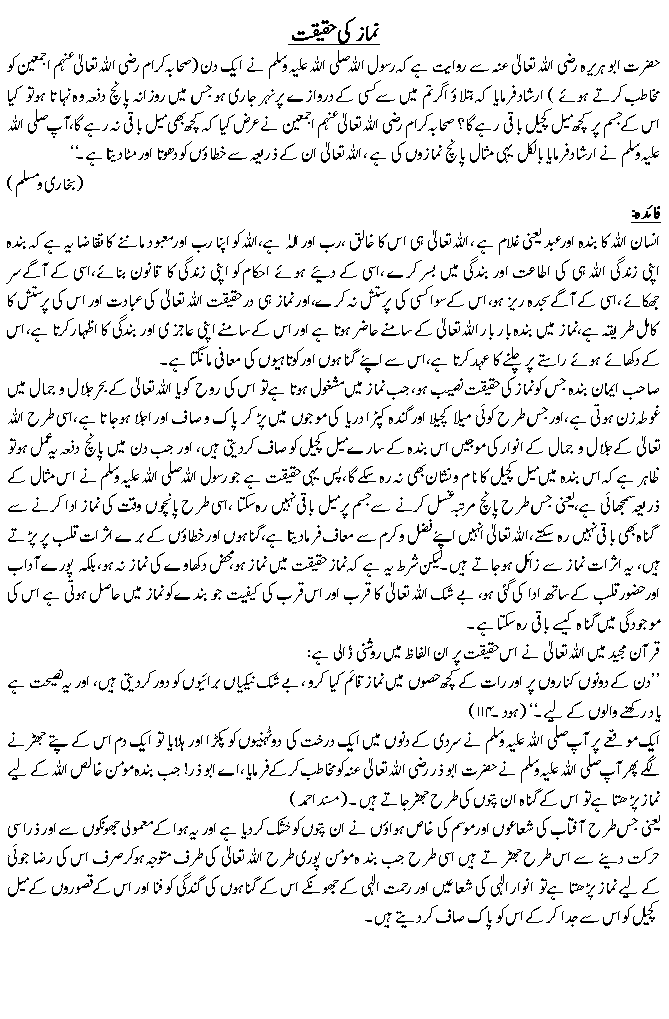
حضرت ابوہریرہ رضی اللہ تعالیٰ عنہ سے روایت ہے کہ رسول اللہ صلی اللہ علیہ وسلم نے ایک دن (صحابہ کرام رضی اللہ تعالیٰ عنہم اجمعین کو مخاطب کرتے ہوے) ارشاد فرمایا: بتاؤ اگر تم میں سے کسی کے دروازے پر نہر جاری ہو جس میں روزانہ پانچ دفعہ وہ نہاتا ہو تو کیا اس کے جسم پر کچھ میل کچیل باقی رہے گا؟ صحابہ کرام رضی اللہ تعالیٰ عنہم اجمعین نے عرض کیا کہ کچھ بھی میل باقی نہ رہے گا، آپ صلی اللہ علیہ وسلم نے ارشاد فرمایا بالکل یہی مثال پانچ نمازوں کی ہے، اللہ تعالیٰ ان کے ذریعے سے خطاؤں کو دھوتا اور مٹا دیتا ہے۔ (بخاری و مسلم)
انسان اللہ کا بندہ اور عبد یعنی غلام ہے، اللہ تعالیٰ ہی اس کا خالق، رب اور الٰہ ہے، اللہ کو اپنا رب اور معبود ماننے کا تقاضا یہ ہے کہ بندہ اپنی زندگی اللہ ہی کی اطاعت اور بندگی میں بسر کرے، اسی کے دیے ہوے احکام کو اپنی زندگی کا قانون بنائے، اسی کے آگے سر جھکائے، اسی کے آگے سجدہ ریز ہو، اس کے سوا کسی کی پرستش نہ کرے، اور نماز ہی درحقیقت اللہ تعالیٰ کی عبادت اور اس کی پرستش کا کامل طریقہ ہے، نماز میں بندہ بار بار اللہ تعالیٰ کے سامنے حاضر ہوتا ہے اور اس کے سامنے اپنی عاجزی اور بندگی کا اظہار کرتا ہے، اس کے دکھائے ہوے راستے پر چلنے کا عہد کرتا ہے، اس سے اپنے گناہ اور کوتاہیوں کی معافی مانگتا ہے۔
صاحبِ ایمان بندہ جس کو نماز کی حقیقت نصیب ہو، جب نماز میں مشغول ہوتا ہے تو اس کی روح گویا اللہ تعالیٰ کے بحرِ جلال و جمال میں غوطہ زن ہوتی ہے، اور جس طرح کوئی میلا کچیلا اور گندہ آدمی دریا کی موجوں میں پڑ کے پاک و صاف اور اجلا ہو جاتا ہے، اسی طرح اللہ تعالیٰ کے جلال و جمال کے انوار کی موجیں اس بندہ کے سارے میل کچیل کو صاف کر دیتی ہیں، اور جب دن میں پانچ دفعہ یہ عمل ہوتا ہے کہ اس بندہ میں میل کچیل کا نام و نشان بھی نہ رہ سکے، پس یہی حقیقت ہے جو رسول اللہ صلی اللہ علیہ وسلم نے اس مثال کے ذریعے سمجھائی ہے، یعنی جس طرح پانچ مرتبہ غسل کرنے سے میل باقی نہیں رہ سکتا، اسی طرح پانچوں وقت کی نماز ادا کرنے سے گناہ بھی باقی نہیں رہ سکتے، گناہوں اور خطاؤں کے برے اثرات قلب پر پڑتے ہیں، اللہ تعالیٰ انہیں اپنے فضل و کرم سے معاف فرما دیتا ہے، وہ اثراتِ نماز سے زائل ہو جاتے ہیں۔ لیکن شرط یہ ہے کہ نماز حقیقت میں نماز ہو، محض دکھاوے کی نماز نہ ہو، بلکہ پورے آداب اور حضورِ قلب کے ساتھ ادا کی گئی ہو، بے شک اللہ تعالیٰ کا قرب اور اس قرب کی کیفیت جو بندے کو نماز میں حاصل ہوتی ہے اس کی موجودگی میں گناہ کیسے باقی رہ سکتا ہے۔
قرآن مجید میں اللہ تعالیٰ نے اس حقیقت پر ان الفاظ میں روشنی ڈالی ہے:
"دن کے دونوں کناروں پر اور رات کے کچھ حصوں میں نماز قائم کیا کرو، بے شک نیکیاں برائیوں کو دور کر دیتی ہیں، اور یہ نصیحت ہے یاد رکھنے والوں کے لیے۔" (ہود ۔۱۱۴)
ایک موقعے پر آپ صلی اللہ علیہ وسلم نے سردی کے دنوں میں ایک درخت کی دو ٹہنیوں کو پکڑا اور ہلایا تو ایک دم اس کے پتے جھڑنے لگے، پھر آپ صلی اللہ علیہ وسلم نے حضرت ابو ذر رضی اللہ تعالیٰ عنہ کو مخاطب کر کے فرمایا، اے ابو ذر! جب بندہ مومن خالص اللہ کے لیے نماز پڑھتا ہے تو اس کے گناہ ان پتوں کی طرح جھڑ جاتے ہیں۔ (مسند احمد)
یعنی جس طرح آفتاب کی شعاعوں اور موسم کے خاص ہواؤں نے ان پتوں کو خشک کر دیا ہے اور یہ ہوا کے معمولی جھونکوں سے اور ذرا سی حرکت دینے سے اس طرح جھڑتے ہیں، اسی طرح بندہ مومن جب پوری طرح اللہ تعالیٰ کی طرف متوجہ ہو کر صرف اس کی رضا جوئی کے لیے نماز پڑھتا ہے تو انوارِ الٰہی کی شعاعیں اور رحمتِ الٰہی کے جھونکے اس کے گناہوں کی گندگی کو فنا اور اس کے قصوروں کے میل کچیل کو اس سے جدا کر کے اس کو پاک صاف کر دیتے ہیں۔
صاحبِ ایمان بندہ جس کو نماز کی حقیقت نصیب ہو، جب نماز میں مشغول ہوتا ہے تو اس کی روح گویا اللہ تعالیٰ کے بحرِ جلال و جمال میں غوطہ زن ہوتی ہے، اور جس طرح کوئی میلا کچیلا اور گندہ آدمی دریا کی موجوں میں پڑ کے پاک و صاف اور اجلا ہو جاتا ہے، اسی طرح اللہ تعالیٰ کے جلال و جمال کے انوار کی موجیں اس بندہ کے سارے میل کچیل کو صاف کر دیتی ہیں، اور جب دن میں پانچ دفعہ یہ عمل ہوتا ہے کہ اس بندہ میں میل کچیل کا نام و نشان بھی نہ رہ سکے، پس یہی حقیقت ہے جو رسول اللہ صلی اللہ علیہ وسلم نے اس مثال کے ذریعے سمجھائی ہے، یعنی جس طرح پانچ مرتبہ غسل کرنے سے میل باقی نہیں رہ سکتا، اسی طرح پانچوں وقت کی نماز ادا کرنے سے گناہ بھی باقی نہیں رہ سکتے، گناہوں اور خطاؤں کے برے اثرات قلب پر پڑتے ہیں، اللہ تعالیٰ انہیں اپنے فضل و کرم سے معاف فرما دیتا ہے، وہ اثراتِ نماز سے زائل ہو جاتے ہیں۔ لیکن شرط یہ ہے کہ نماز حقیقت میں نماز ہو، محض دکھاوے کی نماز نہ ہو، بلکہ پورے آداب اور حضورِ قلب کے ساتھ ادا کی گئی ہو، بے شک اللہ تعالیٰ کا قرب اور اس قرب کی کیفیت جو بندے کو نماز میں حاصل ہوتی ہے اس کی موجودگی میں گناہ کیسے باقی رہ سکتا ہے۔
قرآن مجید میں اللہ تعالیٰ نے اس حقیقت پر ان الفاظ میں روشنی ڈالی ہے:
"دن کے دونوں کناروں پر اور رات کے کچھ حصوں میں نماز قائم کیا کرو، بے شک نیکیاں برائیوں کو دور کر دیتی ہیں، اور یہ نصیحت ہے یاد رکھنے والوں کے لیے۔" (ہود ۔۱۱۴)
ایک موقعے پر آپ صلی اللہ علیہ وسلم نے سردی کے دنوں میں ایک درخت کی دو ٹہنیوں کو پکڑا اور ہلایا تو ایک دم اس کے پتے جھڑنے لگے، پھر آپ صلی اللہ علیہ وسلم نے حضرت ابو ذر رضی اللہ تعالیٰ عنہ کو مخاطب کر کے فرمایا، اے ابو ذر! جب بندہ مومن خالص اللہ کے لیے نماز پڑھتا ہے تو اس کے گناہ ان پتوں کی طرح جھڑ جاتے ہیں۔ (مسند احمد)
یعنی جس طرح آفتاب کی شعاعوں اور موسم کے خاص ہواؤں نے ان پتوں کو خشک کر دیا ہے اور یہ ہوا کے معمولی جھونکوں سے اور ذرا سی حرکت دینے سے اس طرح جھڑتے ہیں، اسی طرح بندہ مومن جب پوری طرح اللہ تعالیٰ کی طرف متوجہ ہو کر صرف اس کی رضا جوئی کے لیے نماز پڑھتا ہے تو انوارِ الٰہی کی شعاعیں اور رحمتِ الٰہی کے جھونکے اس کے گناہوں کی گندگی کو فنا اور اس کے قصوروں کے میل کچیل کو اس سے جدا کر کے اس کو پاک صاف کر دیتے ہیں۔
English translation
It is narrated from Abu Hurayrah (may Allah be pleased with him) that one day the Messenger of Allah (peace be upon him) said (addressing the Companions, may Allah be pleased with them all): "Tell me, if a stream were flowing at the door of one of you in which he bathed five times a day, would any dirt remain on his body?" The Companions (may Allah be pleased with them all) said that no dirt at all would remain. The Messenger of Allah (peace be upon him) said: "This is exactly the likeness of the five prayers; through them Allah Most High washes away and effaces sins."
Man is the servant and slave of Allah; Allah Most High alone is his Creator, Lord and God. To accept Allah as one's Lord and object of worship requires that the servant pass his life in the obedience and servitude of Allah alone, make the commands He has given the law of his life, bow his head before Him alone, prostrate before Him alone, and worship none besides Him. And prayer in reality is the perfect way of worshipping Allah Most High and adoring Him. In prayer the servant presents himself before Allah Most High again and again, expresses his humility and servitude before Him, pledges to walk upon the path He has shown, and seeks forgiveness from Him for his sins and shortcomings.
The believing servant who is blessed with the reality of prayer — when he engages in prayer, his soul, as it were, plunges into the ocean of Allah's majesty and beauty. Just as a dirty, grimy man becomes pure, clean and bright by immersing himself in the waves of a river, so too the waves of the light of Allah's majesty and beauty cleanse away all the dirt of that servant. And when this act is performed five times a day, no trace of dirt can remain in that servant. This is precisely the reality that the Messenger of Allah (peace be upon him) explained through this parable: that is, just as no dirt can remain by bathing five times, so too no sins can remain by performing the five daily prayers. The evil effects of sins and errors fall upon the heart; Allah Most High forgives them by His grace and favour, and they are removed by the effects of the prayer. But the condition is that the prayer be truly a prayer, not merely a prayer for show, but performed with full etiquette and presence of heart. Indeed, in the presence of nearness to Allah Most High and the state of that nearness which the servant attains in prayer, how could sin remain?
In the Holy Qur'an Allah Most High has shed light on this reality in these words: "Establish prayer at the two ends of the day and in some hours of the night; indeed, good deeds drive away evil deeds; this is a reminder for those who take heed." (Hud 114)
On one occasion, in the days of winter, the Messenger of Allah (peace be upon him) grasped two branches of a tree and shook them, and at once its leaves began to fall. Then, addressing Abu Dharr (may Allah be pleased with him), he said: "O Abu Dharr! When a believing servant prays purely for the sake of Allah, his sins fall away like these leaves." (Musnad Ahmad)
That is, just as the rays of the sun and the particular winds of the season have dried these leaves, so that they fall with the slightest gust of wind and a little movement, in the same way, when the believing servant prays turned wholly towards Allah Most High, seeking only His pleasure, the rays of the divine lights and the gusts of divine mercy annihilate the filth of his sins and, separating from him the dirt of his faults, make him pure and clean.
Man is the servant and slave of Allah; Allah Most High alone is his Creator, Lord and God. To accept Allah as one's Lord and object of worship requires that the servant pass his life in the obedience and servitude of Allah alone, make the commands He has given the law of his life, bow his head before Him alone, prostrate before Him alone, and worship none besides Him. And prayer in reality is the perfect way of worshipping Allah Most High and adoring Him. In prayer the servant presents himself before Allah Most High again and again, expresses his humility and servitude before Him, pledges to walk upon the path He has shown, and seeks forgiveness from Him for his sins and shortcomings.
The believing servant who is blessed with the reality of prayer — when he engages in prayer, his soul, as it were, plunges into the ocean of Allah's majesty and beauty. Just as a dirty, grimy man becomes pure, clean and bright by immersing himself in the waves of a river, so too the waves of the light of Allah's majesty and beauty cleanse away all the dirt of that servant. And when this act is performed five times a day, no trace of dirt can remain in that servant. This is precisely the reality that the Messenger of Allah (peace be upon him) explained through this parable: that is, just as no dirt can remain by bathing five times, so too no sins can remain by performing the five daily prayers. The evil effects of sins and errors fall upon the heart; Allah Most High forgives them by His grace and favour, and they are removed by the effects of the prayer. But the condition is that the prayer be truly a prayer, not merely a prayer for show, but performed with full etiquette and presence of heart. Indeed, in the presence of nearness to Allah Most High and the state of that nearness which the servant attains in prayer, how could sin remain?
In the Holy Qur'an Allah Most High has shed light on this reality in these words: "Establish prayer at the two ends of the day and in some hours of the night; indeed, good deeds drive away evil deeds; this is a reminder for those who take heed." (Hud 114)
On one occasion, in the days of winter, the Messenger of Allah (peace be upon him) grasped two branches of a tree and shook them, and at once its leaves began to fall. Then, addressing Abu Dharr (may Allah be pleased with him), he said: "O Abu Dharr! When a believing servant prays purely for the sake of Allah, his sins fall away like these leaves." (Musnad Ahmad)
That is, just as the rays of the sun and the particular winds of the season have dried these leaves, so that they fall with the slightest gust of wind and a little movement, in the same way, when the believing servant prays turned wholly towards Allah Most High, seeking only His pleasure, the rays of the divine lights and the gusts of divine mercy annihilate the filth of his sins and, separating from him the dirt of his faults, make him pure and clean.
View original image
https://hadith.ahadees.com/hadees/1306 — Ahadees.com