

مصیبت کے وقت کی دعا
اِنَّا لِلّٰہِ وَاِنَّا اِلَیْہِ رَاجِعُوْنَ، اَللّٰھُمَّ اَجُرْنِیْ فِیْ مُصِیْبَتِیْ وَاخْلُفْ لِیْ خَیْرًا مِّنْھَا
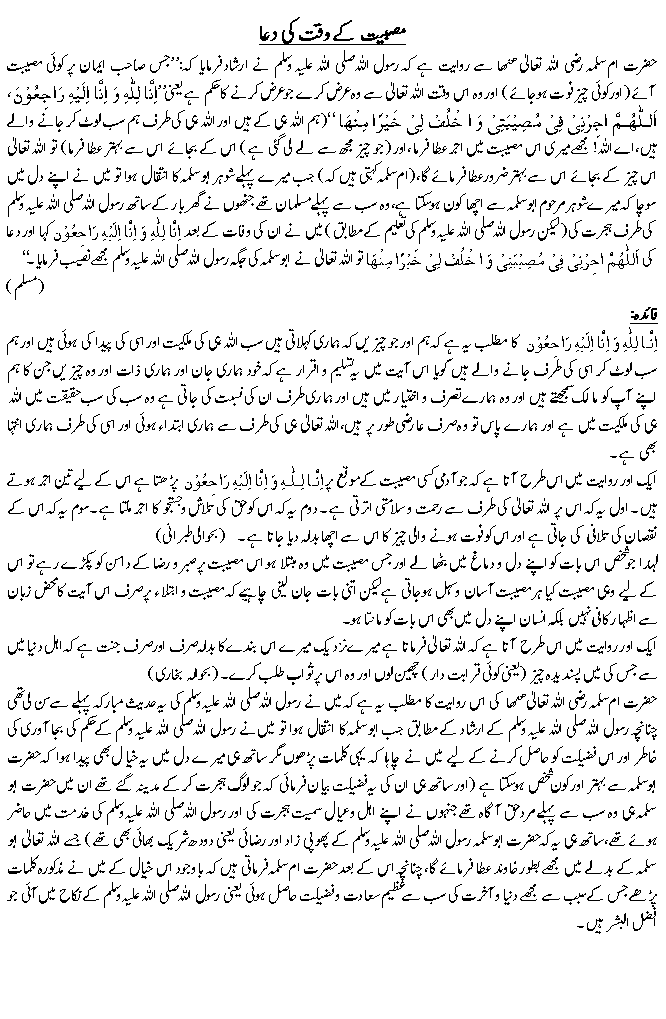
حضرت ام سلمہ رضی اللہ تعالیٰ عنہا سے روایت ہے کہ رسول اللہ صلی اللہ علیہ وسلم نے ارشاد فرمایا کہ: ”جس صاحب ایمان پر کوئی مصیبت آئے (اور کوئی چیز فوت ہو جائے) اور وہ اس وقت اللہ تعالیٰ سے وہ عرض کرے جو عرض کرنے کا حکم ہے یعنی اِنَّا لِلّٰہِ وَاِنَّا اِلَیْہِ رَاجِعُوْنَ، اَللّٰھُمَّ اَجُرْنِیْ فِیْ مُصِیْبَتِیْ وَاخْلُفْ لِیْ خَیْرًا مِّنْھَا (ہم اللہ ہی کے ہیں اور اللہ ہی کی طرف ہم سب لوٹ کر جانے والے ہیں، اے اللہ! مجھے میری اس مصیبت میں اجر عطا فرما، اور (جو چیز مجھ سے لے لی گئی ہے) اس کے بجائے اس سے بہتر عطا فرما) تو اللہ تعالیٰ اس چیز کے بجائے اس سے بہتر ضرور عطا فرمائے گا، (ام سلمہ کہتی ہیں کہ) جب میرے پہلے شوہر ابو سلمہ کا انتقال ہوا تو میں نے اپنے دل میں سوچا کہ میرے مرحوم شوہر ابو سلمہ سے اچھا کون ہوسکتا ہے، وہ سب سے پہلے مسلمان تھے جنہوں نے گھر بار کے ساتھ رسول اللہ صلی اللہ علیہ وسلم کی طرف ہجرت کی (لیکن رسول اللہ صلی اللہ علیہ وسلم کی تعلیم کے مطابق) میں نے ان کی وفات کے بعد اِنَّا لِلّٰہِ وَاِنَّا اِلَیْہِ رَاجِعُوْنَ کہا اور دعا کی اَللّٰھُمَّ اَجُرْنِیْ فِیْ مُصِیْبَتِیْ وَاخْلُفْ لِیْ خَیْرًا مِّنْھَا تو اللہ تعالیٰ نے ابو سلمہ کی جگہ رسول اللہ صلی اللہ علیہ وسلم مجھے نصیب فرمایا“ (مسلم)
اِنَّا لِلّٰہِ وَاِنَّا اِلَیْہِ رَاجِعُوْنَ کا مطلب یہ ہے کہ ہم اور جو چیزیں کہ ہماری کہلاتی ہیں سب اللہ ہی کی ملکیت اور اسی کی پیدا کی ہوئی ہیں اور ہم سب لوٹ کر اسی کی طرف جانے والے ہیں، اس آیت میں یہ تسلیم و اقرار ہے کہ خود ہماری جان اور ہماری ذات اور وہ چیزیں جن کا ہم اپنے آپ کو مالک سمجھتے ہیں اور وہ ہمارے تصرف و اختیار میں ہیں اور ہماری طرف ان کی نسبت کی جاتی ہے وہ سب کی سب حقیقت میں اللہ ہی کی ملکیت میں ہیں اور ہمارے پاس تو وہ صرف عارضی طور پر ہیں، اللہ تعالیٰ ہی کی طرف سے ہماری ابتداء ہوئی اور اسی کی طرف ہماری انتہا بھی ہے۔
ایک اور روایت میں اس طرح آتا ہے کہ جو آدمی کسی مصیبت کے موقع پر اِنَّا لِلّٰہِ وَاِنَّا اِلَیْہِ رَاجِعُوْنَ پڑھتا ہے اس کے لیے تین اجر ہوتے ہیں۔ اول یہ کہ اس پر اللہ تعالیٰ کی طرف سے رحمت و سلامتی اترتی ہے۔ دوم یہ کہ اس کو حق کی تلاش و جستجو کا اجر ملتا ہے۔ سوم یہ کہ اس کے نقصان کی تلافی کی جاتی ہے اور اس کو فوت ہونے والی چیز کا اس سے اچھا بدلہ دیا جاتا ہے۔ (بحوالہ طبرانی)
لہٰذا جو شخص اس بات کو اپنے دل و دماغ میں بٹھا لے اور جس مصیبت میں وہ مبتلا ہو اس مصیبت پر صبر و رضا کے دامن کو پکڑے رہے تو اس کے لیے وہی مصیبت کیا ہر مصیبت آسان و سہل ہو جاتی ہے لیکن اتنی بات جان لینی چاہیے کہ مصیبت و ابتلاء پر صرف اس آیت کا محض زبان سے اظہار کافی نہیں بلکہ انسان اپنے دل میں بھی اس بات کو مانتا ہو۔
ایک اور روایت میں اس طرح آتا ہے کہ اللہ تعالیٰ فرماتا ہے میرے نزدیک میرے اس بندے کا بدلہ صرف اور صرف جنت ہے کہ اہل دنیا میں سے جس کی میں پسندیدہ چیز (یعنی کوئی قرابت دار) چھین لوں اور وہ اس پر ثواب طلب کرے۔ (بحوالہ بخاری)
حضرت ام سلمہ رضی اللہ تعالیٰ عنہا کی اس روایت کا مطلب یہ ہے کہ میں نے رسول اللہ صلی اللہ علیہ وسلم کی یہ حدیث مبارکہ پہلے سے سن لی تھی چنانچہ رسول اللہ صلی اللہ علیہ وسلم کے ارشاد کے مطابق جب ابو سلمہ کا انتقال ہوا تو میں نے رسول اللہ صلی اللہ علیہ وسلم کے حکم کی بجا آوری کی خاطر اور اس فضیلت کو حاصل کرنے کے لیے میں نے چاہا کہ یہی کلمات ہی میرے ساتھ ساتھ پڑھوں مگر میرے دل میں یہ خیال بھی پیدا ہوا کہ حضرت ابو سلمہ سے بہتر اور کون شخص ہوسکتا ہے (اور ساتھ ہی ان کی یہ فضیلت بیان فرمائی کہ جو لوگ ہجرت کرکے مدینہ چلے گئے تھے ان میں حضرت ابو سلمہ ہی وہ سب سے پہلے مرد حق آگاہ تھے جنہوں نے اپنے اہل و عیال سمیت ہجرت کی اور رسول اللہ صلی اللہ علیہ وسلم کی خدمت میں حاضر ہوئے تھے، ساتھ ہی یہ کہ حضرت ابو سلمہ رسول اللہ صلی اللہ علیہ وسلم کے پھوپی زاد اور رضاعی یعنی دودھ شریک بھائی بھی تھے) جیسے اللہ تعالیٰ ابو سلمہ کے بدلے میں مجھے بطور خاوند عطا فرمائے گا، چنانچہ اس کے بعد حضرت ام سلمہ فرماتی ہیں کہ باوجود اس خیال کے میں نے مذکورہ کلمات پڑھے جس کے سبب دنیا و آخرت کی سب سے عظیم سعادت و فضیلت حاصل ہوئی یعنی رسول اللہ صلی اللہ علیہ وسلم کے نکاح میں آئی جو افضل البشر ہیں۔
ایک اور روایت میں اس طرح آتا ہے کہ جو آدمی کسی مصیبت کے موقع پر اِنَّا لِلّٰہِ وَاِنَّا اِلَیْہِ رَاجِعُوْنَ پڑھتا ہے اس کے لیے تین اجر ہوتے ہیں۔ اول یہ کہ اس پر اللہ تعالیٰ کی طرف سے رحمت و سلامتی اترتی ہے۔ دوم یہ کہ اس کو حق کی تلاش و جستجو کا اجر ملتا ہے۔ سوم یہ کہ اس کے نقصان کی تلافی کی جاتی ہے اور اس کو فوت ہونے والی چیز کا اس سے اچھا بدلہ دیا جاتا ہے۔ (بحوالہ طبرانی)
لہٰذا جو شخص اس بات کو اپنے دل و دماغ میں بٹھا لے اور جس مصیبت میں وہ مبتلا ہو اس مصیبت پر صبر و رضا کے دامن کو پکڑے رہے تو اس کے لیے وہی مصیبت کیا ہر مصیبت آسان و سہل ہو جاتی ہے لیکن اتنی بات جان لینی چاہیے کہ مصیبت و ابتلاء پر صرف اس آیت کا محض زبان سے اظہار کافی نہیں بلکہ انسان اپنے دل میں بھی اس بات کو مانتا ہو۔
ایک اور روایت میں اس طرح آتا ہے کہ اللہ تعالیٰ فرماتا ہے میرے نزدیک میرے اس بندے کا بدلہ صرف اور صرف جنت ہے کہ اہل دنیا میں سے جس کی میں پسندیدہ چیز (یعنی کوئی قرابت دار) چھین لوں اور وہ اس پر ثواب طلب کرے۔ (بحوالہ بخاری)
حضرت ام سلمہ رضی اللہ تعالیٰ عنہا کی اس روایت کا مطلب یہ ہے کہ میں نے رسول اللہ صلی اللہ علیہ وسلم کی یہ حدیث مبارکہ پہلے سے سن لی تھی چنانچہ رسول اللہ صلی اللہ علیہ وسلم کے ارشاد کے مطابق جب ابو سلمہ کا انتقال ہوا تو میں نے رسول اللہ صلی اللہ علیہ وسلم کے حکم کی بجا آوری کی خاطر اور اس فضیلت کو حاصل کرنے کے لیے میں نے چاہا کہ یہی کلمات ہی میرے ساتھ ساتھ پڑھوں مگر میرے دل میں یہ خیال بھی پیدا ہوا کہ حضرت ابو سلمہ سے بہتر اور کون شخص ہوسکتا ہے (اور ساتھ ہی ان کی یہ فضیلت بیان فرمائی کہ جو لوگ ہجرت کرکے مدینہ چلے گئے تھے ان میں حضرت ابو سلمہ ہی وہ سب سے پہلے مرد حق آگاہ تھے جنہوں نے اپنے اہل و عیال سمیت ہجرت کی اور رسول اللہ صلی اللہ علیہ وسلم کی خدمت میں حاضر ہوئے تھے، ساتھ ہی یہ کہ حضرت ابو سلمہ رسول اللہ صلی اللہ علیہ وسلم کے پھوپی زاد اور رضاعی یعنی دودھ شریک بھائی بھی تھے) جیسے اللہ تعالیٰ ابو سلمہ کے بدلے میں مجھے بطور خاوند عطا فرمائے گا، چنانچہ اس کے بعد حضرت ام سلمہ فرماتی ہیں کہ باوجود اس خیال کے میں نے مذکورہ کلمات پڑھے جس کے سبب دنیا و آخرت کی سب سے عظیم سعادت و فضیلت حاصل ہوئی یعنی رسول اللہ صلی اللہ علیہ وسلم کے نکاح میں آئی جو افضل البشر ہیں۔
English translation
Narrated Umm Salamah (may Allah be pleased with her): the Messenger of Allah ﷺ said: “When any calamity befalls a believer (and something is lost), and at that time he says to Allah what he has been commanded to say — namely, Inna lillahi wa inna ilayhi raji'un, Allahumma ajurni fi musibati wakhluf li khayran minha (‘We belong to Allah, and to Him we shall all return; O Allah, reward me in my affliction, and grant me in its place something better than it’) — then Allah will surely grant him, in place of that thing, something better than it.” (Umm Salamah says that) when my first husband Abu Salamah died, I thought to myself, who could be better than my late husband Abu Salamah? He was among the very first Muslims, who migrated to the Messenger of Allah ﷺ along with his household. (But, in accordance with the teaching of the Messenger of Allah ﷺ) after his death I said ‘Inna lillahi wa inna ilayhi raji'un’ and supplicated ‘Allahumma ajurni fi musibati wakhluf li khayran minha’ — and Allah granted me, in place of Abu Salamah, the Messenger of Allah ﷺ.
‘Inna lillahi wa inna ilayhi raji'un’ means that we, and all the things that are called ours, are all the property of Allah and created by Him, and we shall all return to Him. In this verse is this acknowledgement and affirmation: that our very souls and selves, and the things of which we consider ourselves owners and which are in our disposal and control and are ascribed to us — all of them are in reality in the ownership of Allah, and with us they are only temporarily. Our beginning is from Allah, and to Him is our end too.
In another narration it comes that whoever, on the occasion of some calamity, recites ‘Inna lillahi wa inna ilayhi raji'un’ receives three rewards: first, that mercy and safety descend upon him from Allah; second, that he receives the reward of seeking the truth; third, that his loss is made good and he is given a better replacement for the thing that was lost. (Reported by Tabarani)
Therefore whoever settles this point in his heart and mind, and in whatever calamity he is caught holds fast to the hem of patience and contentment, for him not only that calamity but every calamity becomes easy and light. But this much should be understood: that upon affliction and trial, merely expressing this verse with the tongue is not enough; rather a person should also affirm this point in his heart.
In another narration it comes that Allah says: with Me the recompense of this servant of Mine is nothing but Paradise, when I take away from him a beloved thing (that is, some relative) from among the people of the world, and he seeks reward for it. (Reported by Bukhari)
The meaning of this narration of Umm Salamah (may Allah be pleased with her) is that she had earlier heard this blessed hadith of the Messenger of Allah ﷺ. So, in accordance with the Prophet's ﷺ instruction, when Abu Salamah died, in order to carry out the command of the Messenger of Allah ﷺ and to attain that merit, I wished to recite these very words myself; but the thought also arose in my heart, who could be better than Abu Salamah? (And along with it he had stated this merit of his: that among those who had migrated to Medina, Abu Salamah was the very first truth-aware man who migrated with his family and presented himself in the service of the Messenger of Allah ﷺ; along with this, that Abu Salamah was also the Messenger of Allah's ﷺ cousin — the son of his paternal aunt — and his foster-brother, i.e. his brother through the same milk) — as if Allah would grant me a husband in place of Abu Salamah. So after that Umm Salamah says that, despite this thought, I recited the mentioned words, through which I attained the greatest good fortune and merit of this world and the Hereafter — namely, I came into the marriage of the Messenger of Allah ﷺ, who is the best of mankind.
‘Inna lillahi wa inna ilayhi raji'un’ means that we, and all the things that are called ours, are all the property of Allah and created by Him, and we shall all return to Him. In this verse is this acknowledgement and affirmation: that our very souls and selves, and the things of which we consider ourselves owners and which are in our disposal and control and are ascribed to us — all of them are in reality in the ownership of Allah, and with us they are only temporarily. Our beginning is from Allah, and to Him is our end too.
In another narration it comes that whoever, on the occasion of some calamity, recites ‘Inna lillahi wa inna ilayhi raji'un’ receives three rewards: first, that mercy and safety descend upon him from Allah; second, that he receives the reward of seeking the truth; third, that his loss is made good and he is given a better replacement for the thing that was lost. (Reported by Tabarani)
Therefore whoever settles this point in his heart and mind, and in whatever calamity he is caught holds fast to the hem of patience and contentment, for him not only that calamity but every calamity becomes easy and light. But this much should be understood: that upon affliction and trial, merely expressing this verse with the tongue is not enough; rather a person should also affirm this point in his heart.
In another narration it comes that Allah says: with Me the recompense of this servant of Mine is nothing but Paradise, when I take away from him a beloved thing (that is, some relative) from among the people of the world, and he seeks reward for it. (Reported by Bukhari)
The meaning of this narration of Umm Salamah (may Allah be pleased with her) is that she had earlier heard this blessed hadith of the Messenger of Allah ﷺ. So, in accordance with the Prophet's ﷺ instruction, when Abu Salamah died, in order to carry out the command of the Messenger of Allah ﷺ and to attain that merit, I wished to recite these very words myself; but the thought also arose in my heart, who could be better than Abu Salamah? (And along with it he had stated this merit of his: that among those who had migrated to Medina, Abu Salamah was the very first truth-aware man who migrated with his family and presented himself in the service of the Messenger of Allah ﷺ; along with this, that Abu Salamah was also the Messenger of Allah's ﷺ cousin — the son of his paternal aunt — and his foster-brother, i.e. his brother through the same milk) — as if Allah would grant me a husband in place of Abu Salamah. So after that Umm Salamah says that, despite this thought, I recited the mentioned words, through which I attained the greatest good fortune and merit of this world and the Hereafter — namely, I came into the marriage of the Messenger of Allah ﷺ, who is the best of mankind.
View original image
https://hadith.ahadees.com/hadees/1707 — Ahadees.com