

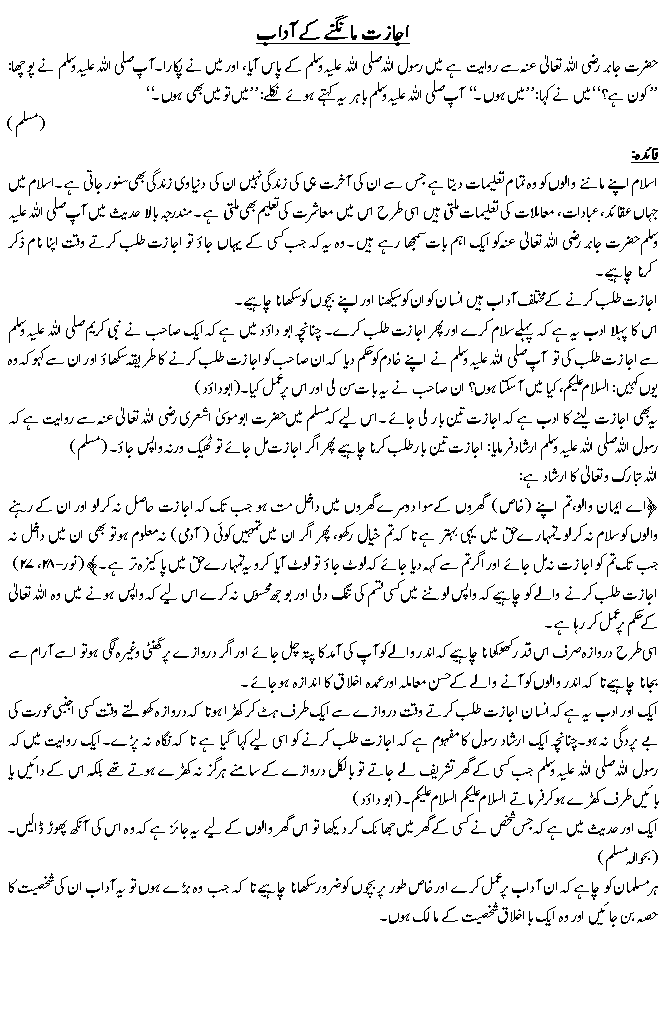
اجازت مانگنے کے آداب
حضرت جابر رضی اللہ تعالیٰ عنہ سے روایت ہے کہ میں رسول اللہ صلی اللہ علیہ وسلم کے پاس آیا، اور میں نے پکارا۔ آپ صلی اللہ علیہ وسلم نے پوچھا ''کون ہے؟'' میں نے کہا: ''میں ہوں۔'' آپ صلی اللہ علیہ وسلم باہر یہ کہتے ہوئے نکلے: ''میں تو، میں بھی ہوں۔'' (مسلم)
اسلام اپنے ماننے والوں کو وہ تمام تعلیمات دیتا ہے جس سے ان کی آخرت ہی کی زندگی نہیں ان کی دنیاوی زندگی بھی سنور جاتی ہے۔ اسلام میں جہاں عقائد، عبادات، معاملات کی تعلیمات ملتی ہیں اسی طرح اس میں معاشرت کی تعلیم بھی ملتی ہے۔ مندرجہ بالا حدیث میں آپ صلی اللہ علیہ وسلم حضرت جابر رضی اللہ تعالیٰ عنہ کو ایک اہم بات سمجھا رہے ہیں۔ وہ یہ کہ جب کسی کے یہاں جائے تو اجازت طلب کرتے وقت اپنا نام ذکر کرنا چاہیے۔
اجازت طلب کرنے کے مختلف آداب ہیں انسان کو ان کو سیکھنا اور اپنے بچوں کو سکھانا چاہیے۔
اس کا پہلا ادب یہ ہے کہ پہلے سلام کرے اور پھر اجازت طلب کرے۔ چنانچہ ابو داؤد میں ہے کہ ایک صاحب نے نبی کریم صلی اللہ علیہ وسلم سے اجازت طلب کی تو آپ صلی اللہ علیہ وسلم نے اپنے خادم کو حکم دیا کہ ان صاحب کو اجازت طلب کرنے کا طریقہ سکھاؤ اور ان سے کہو کہ وہ یوں کہیں: السلام علیکم، کیا میں آ سکتا ہوں؟ ان صاحب نے یہ بات سن لی اور اس پر عمل کیا۔ (ابو داؤد)
یہ بھی اجازت لینے کا ادب ہے کہ اجازت تین بار طلب کی جائے۔ اس لیے کہ مسلم میں حضرت ابو موسیٰ اشعری رضی اللہ تعالیٰ عنہ سے روایت ہے کہ رسول اللہ صلی اللہ علیہ وسلم ارشاد فرمایا: اجازت تین بار طلب کرنا چاہیے پھر اگر اجازت مل جائے تو ٹھیک ورنہ واپس جائے۔ (مسلم)
اللہ تبارک و تعالیٰ کا ارشاد ہے:
﴿اے ایمان والو! تم اپنے (خاص) گھروں کے سوا دوسرے گھروں میں داخل مت ہو جب تک کہ اجازت حاصل نہ کر لو اور ان کے رہنے والوں کو سلام نہ کر لو، تمہارے حق میں یہی بہتر ہے تا کہ تم خیال رکھو، پھر اگر ان میں تمہیں کوئی (آدمی) نہ معلوم ہو تو بھی ان میں داخل نہ ہو جب تک تم کو اجازت نہ دے دی جائے اور اگر تم سے کہہ دیا جائے کہ لوٹ جاؤ تو لوٹ جاؤ تمہارے حق میں یہ پاکیزہ تر ہے﴾ (نور۔۲۸، ۲۷)
اجازت طلب کرنے والے کو چاہیے کہ واپس لوٹنے میں کسی قسم کی تنگ دلی اور بوجھ محسوس نہ کرے اس لیے اس میں وہ اللہ تعالیٰ کے حکم پر عمل کر رہا ہے۔
اسی طرح دروازہ صرف اس قدر کھٹکھٹانا چاہیے کہ اندر والے کو آپ کی آمد کا پتہ چل جائے اور اگر دروازے پر گھنٹی وغیرہ لگی ہو تو اسے آرام سے بجانا چاہیے تا کہ اندر والوں کو آنے والے کے حسنِ معاملہ اور عمدہ اخلاق کا اندازہ ہو جائے۔
ایک اور ادب یہ ہے کہ انسان اجازت طلب کرتے وقت دروازے سے ایک طرف ہٹ کر کھڑا ہو نا کہ دروازہ کھولتے وقت کسی اجنبی عورت کی بے پردگی نہ ہو۔ چنانچہ ایک ارشادِ رسول کا مفہوم ہے کہ اجازت طلب کرنے کو اسی لیے کہا گیا ہے تا کہ نگاہ نہ پڑے۔ ایک روایت میں ہے کہ رسول اللہ صلی اللہ علیہ وسلم جب کسی کے گھر تشریف لے جاتے تو بالکل دروازے کے سامنے ہرگز نہ کھڑے ہوتے تھے بلکہ اس کے دائیں یا بائیں طرف کھڑے ہو کر فرماتے السلام علیکم السلام علیکم۔ (ابو داؤد)
ایک اور حدیث میں ہے کہ جس شخص نے کسی کے گھر میں جھانک کر دیکھا تو اس گھر والوں کے لیے یہ جائز ہے کہ وہ اس کی آنکھ پھوڑ ڈالیں۔ (بحوالہ مسلم)
ہر مسلمان کو چاہیے کہ ان آداب پر عمل کرے اور خاص طور پر بچوں کو ضرور سکھانا چاہیے تا کہ جب وہ بڑے ہوں تو یہ آداب ان کی شخصیت کا حصہ بن جائیں اور وہ ایک با اخلاق شخصیت کے مالک ہوں۔
اجازت طلب کرنے کے مختلف آداب ہیں انسان کو ان کو سیکھنا اور اپنے بچوں کو سکھانا چاہیے۔
اس کا پہلا ادب یہ ہے کہ پہلے سلام کرے اور پھر اجازت طلب کرے۔ چنانچہ ابو داؤد میں ہے کہ ایک صاحب نے نبی کریم صلی اللہ علیہ وسلم سے اجازت طلب کی تو آپ صلی اللہ علیہ وسلم نے اپنے خادم کو حکم دیا کہ ان صاحب کو اجازت طلب کرنے کا طریقہ سکھاؤ اور ان سے کہو کہ وہ یوں کہیں: السلام علیکم، کیا میں آ سکتا ہوں؟ ان صاحب نے یہ بات سن لی اور اس پر عمل کیا۔ (ابو داؤد)
یہ بھی اجازت لینے کا ادب ہے کہ اجازت تین بار طلب کی جائے۔ اس لیے کہ مسلم میں حضرت ابو موسیٰ اشعری رضی اللہ تعالیٰ عنہ سے روایت ہے کہ رسول اللہ صلی اللہ علیہ وسلم ارشاد فرمایا: اجازت تین بار طلب کرنا چاہیے پھر اگر اجازت مل جائے تو ٹھیک ورنہ واپس جائے۔ (مسلم)
اللہ تبارک و تعالیٰ کا ارشاد ہے:
﴿اے ایمان والو! تم اپنے (خاص) گھروں کے سوا دوسرے گھروں میں داخل مت ہو جب تک کہ اجازت حاصل نہ کر لو اور ان کے رہنے والوں کو سلام نہ کر لو، تمہارے حق میں یہی بہتر ہے تا کہ تم خیال رکھو، پھر اگر ان میں تمہیں کوئی (آدمی) نہ معلوم ہو تو بھی ان میں داخل نہ ہو جب تک تم کو اجازت نہ دے دی جائے اور اگر تم سے کہہ دیا جائے کہ لوٹ جاؤ تو لوٹ جاؤ تمہارے حق میں یہ پاکیزہ تر ہے﴾ (نور۔۲۸، ۲۷)
اجازت طلب کرنے والے کو چاہیے کہ واپس لوٹنے میں کسی قسم کی تنگ دلی اور بوجھ محسوس نہ کرے اس لیے اس میں وہ اللہ تعالیٰ کے حکم پر عمل کر رہا ہے۔
اسی طرح دروازہ صرف اس قدر کھٹکھٹانا چاہیے کہ اندر والے کو آپ کی آمد کا پتہ چل جائے اور اگر دروازے پر گھنٹی وغیرہ لگی ہو تو اسے آرام سے بجانا چاہیے تا کہ اندر والوں کو آنے والے کے حسنِ معاملہ اور عمدہ اخلاق کا اندازہ ہو جائے۔
ایک اور ادب یہ ہے کہ انسان اجازت طلب کرتے وقت دروازے سے ایک طرف ہٹ کر کھڑا ہو نا کہ دروازہ کھولتے وقت کسی اجنبی عورت کی بے پردگی نہ ہو۔ چنانچہ ایک ارشادِ رسول کا مفہوم ہے کہ اجازت طلب کرنے کو اسی لیے کہا گیا ہے تا کہ نگاہ نہ پڑے۔ ایک روایت میں ہے کہ رسول اللہ صلی اللہ علیہ وسلم جب کسی کے گھر تشریف لے جاتے تو بالکل دروازے کے سامنے ہرگز نہ کھڑے ہوتے تھے بلکہ اس کے دائیں یا بائیں طرف کھڑے ہو کر فرماتے السلام علیکم السلام علیکم۔ (ابو داؤد)
ایک اور حدیث میں ہے کہ جس شخص نے کسی کے گھر میں جھانک کر دیکھا تو اس گھر والوں کے لیے یہ جائز ہے کہ وہ اس کی آنکھ پھوڑ ڈالیں۔ (بحوالہ مسلم)
ہر مسلمان کو چاہیے کہ ان آداب پر عمل کرے اور خاص طور پر بچوں کو ضرور سکھانا چاہیے تا کہ جب وہ بڑے ہوں تو یہ آداب ان کی شخصیت کا حصہ بن جائیں اور وہ ایک با اخلاق شخصیت کے مالک ہوں۔
English translation
It is narrated from Jābir (may Allah be pleased with him): I came to the Messenger of Allah ﷺ and called out. He ﷺ asked, "Who is it?" I said, "It is me." The Messenger of Allah ﷺ came out saying, "Me? Me?!" (as though he disliked such an answer, since it does not identify the caller). (Muslim)
Islam gives its followers all those teachings by which not only their life in the Hereafter but their worldly life too is set right. Just as in Islam there are teachings of creed, worship, and dealings, so too there is teaching about social conduct. In the above hadith the Prophet ﷺ is teaching Jābir (may Allah be pleased with him) an important point: that when one goes to someone's house, one should mention one's own name when seeking permission to enter.
There are various etiquettes for seeking permission; a person should learn them and teach them to his children.
The first etiquette is that one should first give the greeting of peace and then ask permission. Thus it is reported in Abū Dāwūd that a man sought permission from the Prophet ﷺ, so the Prophet ﷺ instructed his servant to teach that man the way to seek permission and to tell him to say: "As-salāmu ʿalaykum, may I come in?" The man heard this and acted upon it. (Abū Dāwūd)
It is also an etiquette of seeking permission that permission be sought three times. For it is narrated in Muslim from Abū Mūsā al-Ashʿarī (may Allah be pleased with him) that the Messenger of Allah ﷺ said: "Permission should be sought three times; then if permission is granted, well and good, otherwise one should go back." (Muslim)
Allah Almighty says: "O you who believe! Do not enter houses other than your own until you have sought permission and greeted their occupants; that is better for you, that you may be mindful. And if you find no one in them, still do not enter until permission is given to you; and if you are told, 'Go back,' then go back — that is purer for you." (An-Nūr 27–28)
The one seeking permission should not feel any narrowness of heart or burden in going back, for in this he is acting upon the command of Allah Almighty.
Likewise, one should knock on the door only enough for the occupant to become aware of one's arrival; and if there is a bell or the like on the door, it should be rung gently, so that the occupants may gauge the good conduct and fine manners of the one who has come.
Another etiquette is that when seeking permission a person should stand to one side of the door, not directly in front of it, so that when the door is opened the privacy of some unfamiliar woman is not exposed. Thus the meaning of one saying of the Prophet is that seeking permission was enjoined precisely so that the gaze should not fall. In one narration it is stated that when the Messenger of Allah ﷺ would go to someone's house, he would never stand directly in front of the door, but would stand to its right or left and say, "As-salāmu ʿalaykum, As-salāmu ʿalaykum." (Abū Dāwūd)
In another hadith it is stated that if a person peeps into someone's house, it is permissible for the people of that house to put out his eye. (From Muslim)
Every Muslim should act upon these etiquettes, and should especially teach them to children, so that when they grow up these manners become part of their personality and they become people of good character.
Islam gives its followers all those teachings by which not only their life in the Hereafter but their worldly life too is set right. Just as in Islam there are teachings of creed, worship, and dealings, so too there is teaching about social conduct. In the above hadith the Prophet ﷺ is teaching Jābir (may Allah be pleased with him) an important point: that when one goes to someone's house, one should mention one's own name when seeking permission to enter.
There are various etiquettes for seeking permission; a person should learn them and teach them to his children.
The first etiquette is that one should first give the greeting of peace and then ask permission. Thus it is reported in Abū Dāwūd that a man sought permission from the Prophet ﷺ, so the Prophet ﷺ instructed his servant to teach that man the way to seek permission and to tell him to say: "As-salāmu ʿalaykum, may I come in?" The man heard this and acted upon it. (Abū Dāwūd)
It is also an etiquette of seeking permission that permission be sought three times. For it is narrated in Muslim from Abū Mūsā al-Ashʿarī (may Allah be pleased with him) that the Messenger of Allah ﷺ said: "Permission should be sought three times; then if permission is granted, well and good, otherwise one should go back." (Muslim)
Allah Almighty says: "O you who believe! Do not enter houses other than your own until you have sought permission and greeted their occupants; that is better for you, that you may be mindful. And if you find no one in them, still do not enter until permission is given to you; and if you are told, 'Go back,' then go back — that is purer for you." (An-Nūr 27–28)
The one seeking permission should not feel any narrowness of heart or burden in going back, for in this he is acting upon the command of Allah Almighty.
Likewise, one should knock on the door only enough for the occupant to become aware of one's arrival; and if there is a bell or the like on the door, it should be rung gently, so that the occupants may gauge the good conduct and fine manners of the one who has come.
Another etiquette is that when seeking permission a person should stand to one side of the door, not directly in front of it, so that when the door is opened the privacy of some unfamiliar woman is not exposed. Thus the meaning of one saying of the Prophet is that seeking permission was enjoined precisely so that the gaze should not fall. In one narration it is stated that when the Messenger of Allah ﷺ would go to someone's house, he would never stand directly in front of the door, but would stand to its right or left and say, "As-salāmu ʿalaykum, As-salāmu ʿalaykum." (Abū Dāwūd)
In another hadith it is stated that if a person peeps into someone's house, it is permissible for the people of that house to put out his eye. (From Muslim)
Every Muslim should act upon these etiquettes, and should especially teach them to children, so that when they grow up these manners become part of their personality and they become people of good character.
View original image
https://hadith.ahadees.com/hadees/1710 — Ahadees.com