

عیب جوئی
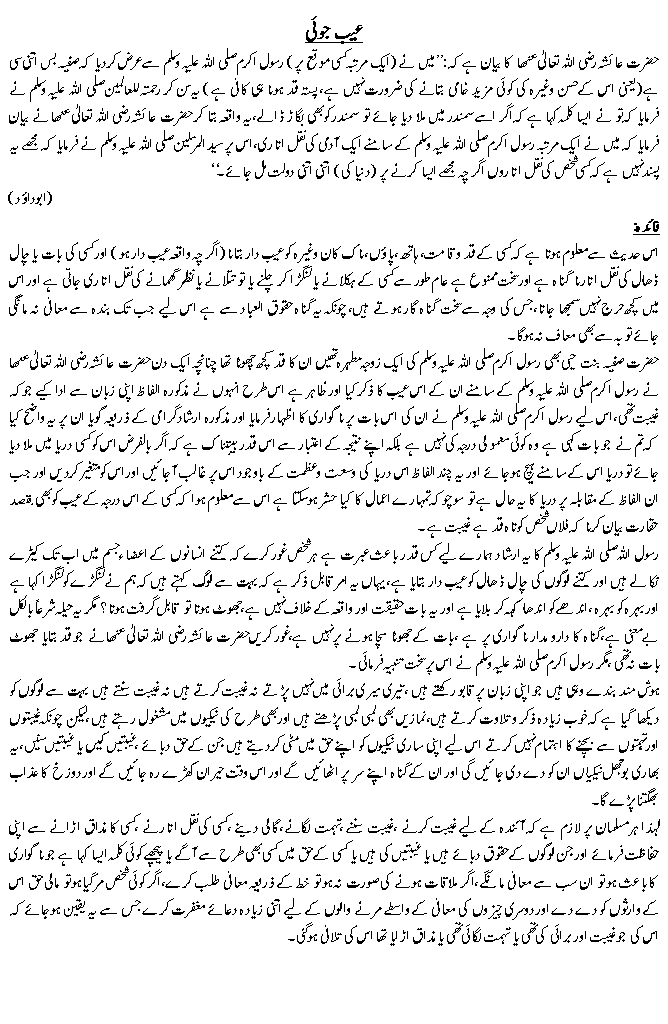
حضرت عائشہ رضی اللہ تعالیٰ عنہا کا بیان ہے کہ: ''میں نے ایک مرتبہ کسی موقع پر رسول اکرم صلی اللہ علیہ وسلم سے عرض کر دیا کہ صفیہ بس اتنی سی (یعنی پستہ قد) ہے، تو حضرت رحمۃ للعالمین صلی اللہ علیہ وسلم نے فرمایا کہ تو نے ایسا کلمہ کہا کہ اگر اسے سمندر میں ملا دیا جائے تو سمندر کو بدل ڈالے''۔ پھر حضرت عائشہ رضی اللہ تعالیٰ عنہا نے بیان فرمایا کہ میں نے ایک مرتبہ رسول اکرم صلی اللہ علیہ وسلم کے سامنے ایک آدمی کی نقل اتاری، اس پر سید المرسلین صلی اللہ علیہ وسلم نے فرمایا کہ مجھے یہ پسند نہیں ہے کہ میں کسی شخص کی نقل اتاروں اگرچہ مجھے ایسا کرنے پر دنیا کی اتنی اتنی دولت مل جائے'' (ابو داؤد)
اس حدیث سے معلوم ہوتا ہے کہ کسی کے قد و قامت، ہاتھ پاؤں، ناک، کان وغیرہ کو عیب دار بتانا (اگرچہ واقعۃً عیب دار ہو) اور کسی کی بات یا چال ڈھال کی نقل اتارنا گناہ ہے۔ عام طور پر کسی کو نکالنے یا تمسخر اور تحقیر کے طور پر اس کی نقل اتاری جاتی ہے اور اس میں کچھ حرج نہیں سمجھا جاتا، جس کی وجہ سے یہ سخت گناہ ہے، چونکہ یہ بندے کا بندے کے ساتھ حقوق العباد کا معاملہ ہے اس لیے جب تک وہ بندہ معاف نہ کرے اس کی توبہ بھی معاف نہ ہوگی۔
رسول اللہ صلی اللہ علیہ وسلم کا ارشاد ہمارے لیے کس قدر باعثِ عبرت ہے کہ ہر شخص غور کرے، اعضائے انسانی کے کیڑے نکالنا اور ان لوگوں کی چال ڈھال کو عیب دار بنا کر پیش کرنا سخت گناہ ہے، حالانکہ یہ بات حقیقت اور واقعہ کے خلاف بھی نہیں، پھر بھی حضور صلی اللہ علیہ وسلم نے اسے غیبت بتایا۔
لہٰذا ہر مسلمان پر لازم ہے کہ وہ آئندہ کے لیے غیبت سننے، تہمت لگانے، گالی دینے اور کسی کی نقل اتارنے کی برائی سے اپنی حفاظت فرمائے، اور جن لوگوں کے حقوق ادا کرنے ہیں ان سے معافی مانگے، غیبت وغیرہ کی صورت میں جب تک مقابل شخص معاف نہ کرے اس وقت تک اس کی توبہ قبول نہ ہوگی، اور اگر اس تک رسائی ممکن نہ ہو تو خدا سے اس کے حق میں معافی طلب کرے اور اس کے لیے استغفار اور دعا کرے۔
رسول اللہ صلی اللہ علیہ وسلم کا ارشاد ہمارے لیے کس قدر باعثِ عبرت ہے کہ ہر شخص غور کرے، اعضائے انسانی کے کیڑے نکالنا اور ان لوگوں کی چال ڈھال کو عیب دار بنا کر پیش کرنا سخت گناہ ہے، حالانکہ یہ بات حقیقت اور واقعہ کے خلاف بھی نہیں، پھر بھی حضور صلی اللہ علیہ وسلم نے اسے غیبت بتایا۔
لہٰذا ہر مسلمان پر لازم ہے کہ وہ آئندہ کے لیے غیبت سننے، تہمت لگانے، گالی دینے اور کسی کی نقل اتارنے کی برائی سے اپنی حفاظت فرمائے، اور جن لوگوں کے حقوق ادا کرنے ہیں ان سے معافی مانگے، غیبت وغیرہ کی صورت میں جب تک مقابل شخص معاف نہ کرے اس وقت تک اس کی توبہ قبول نہ ہوگی، اور اگر اس تک رسائی ممکن نہ ہو تو خدا سے اس کے حق میں معافی طلب کرے اور اس کے لیے استغفار اور دعا کرے۔
English translation
ʿĀʾishah (may Allah be pleased with her) said: "Once, on some occasion, I remarked to the Messenger of Allah ﷺ that Ṣafiyyah was so short (of stature). The Prophet ﷺ, the Mercy to the worlds, said: 'You have uttered such a word that if it were mixed into the sea it would taint it.'" She further related: Once I imitated a man in front of the Messenger of Allah ﷺ, and the Chief of the Messengers ﷺ said: "I would not like to imitate anyone, even if I were given such-and-such wealth of the world for doing so." (Abū Dāwūd)
From this hadith we learn that to point out a fault in someone's stature, hands, feet, nose, ears and the like (even if the fault is real), and to mimic someone's speech or gait, is a sin. Usually a person is mimicked to belittle, mock, or humiliate them, and this is regarded as harmless — which is why it is a grave sin. Since this concerns the rights owed by one person to another (ḥuqūq al-ʿibād), one's repentance will not be accepted until that person forgives.
How full of admonition for us is this saying of the Messenger of Allah ﷺ, that every person should reflect: to nitpick people's physical features and to present their gait and manner as defective is a grave sin — even though it may not be contrary to fact and reality, the Prophet ﷺ still called it backbiting (ghībah).
Therefore it is incumbent upon every Muslim to guard himself in future from the evils of listening to backbiting, levelling false accusations, abusing, and mimicking others, and to seek forgiveness from those whose rights he has violated. In the case of backbiting and the like, one's repentance is not accepted until the person concerned forgives; and if reaching them is not possible, one should ask Allah for forgiveness on their behalf and make istighfār and supplication for them.
From this hadith we learn that to point out a fault in someone's stature, hands, feet, nose, ears and the like (even if the fault is real), and to mimic someone's speech or gait, is a sin. Usually a person is mimicked to belittle, mock, or humiliate them, and this is regarded as harmless — which is why it is a grave sin. Since this concerns the rights owed by one person to another (ḥuqūq al-ʿibād), one's repentance will not be accepted until that person forgives.
How full of admonition for us is this saying of the Messenger of Allah ﷺ, that every person should reflect: to nitpick people's physical features and to present their gait and manner as defective is a grave sin — even though it may not be contrary to fact and reality, the Prophet ﷺ still called it backbiting (ghībah).
Therefore it is incumbent upon every Muslim to guard himself in future from the evils of listening to backbiting, levelling false accusations, abusing, and mimicking others, and to seek forgiveness from those whose rights he has violated. In the case of backbiting and the like, one's repentance is not accepted until the person concerned forgives; and if reaching them is not possible, one should ask Allah for forgiveness on their behalf and make istighfār and supplication for them.
View original image
https://hadith.ahadees.com/hadees/1717 — Ahadees.com