

مجلس میں بیٹھنے کے آداب
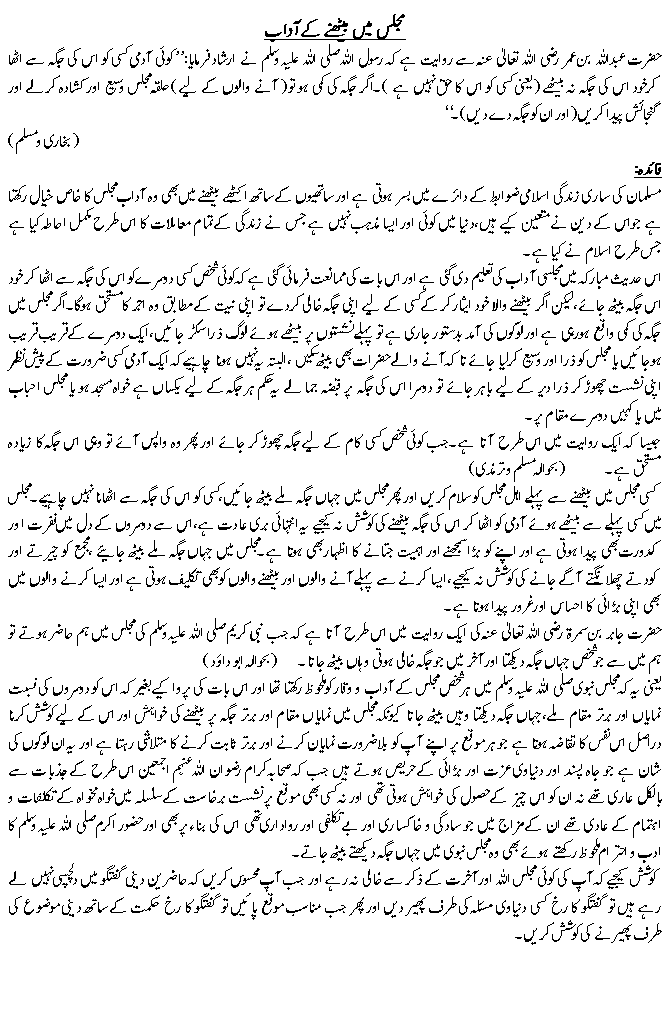
حضرت عبداللہ بن عمر رضی اللہ تعالیٰ عنہ سے روایت ہے کہ رسول اللہ صلی اللہ علیہ وسلم نے ارشاد فرمایا: ''کوئی آدمی کسی کو اس کی جگہ سے اٹھا کر خود اس کی جگہ نہ بیٹھے (یعنی کسی کا اس کا حق نہیں ہے)۔ اگر جگہ کی کمی ہو تو (آنے والوں کے لیے) حلقہ مجلس وسیع اور کشادہ کرلے اور گنجائش پیدا کریں (اور ان کو جگہ دے دیں)۔'' (بخاری و مسلم)
مسلمان کی ساری زندگی اسلامی ضوابط کے دائرے میں بسر ہوتی ہے اور ساتھیوں کے ساتھ اکٹھے بیٹھنے میں بھی وہ آداب مجلس کا خاص خیال رکھتا ہے جو اس کے دین نے متعین کیے ہیں، دنیا میں کوئی اور ایسا مذہب نہیں ہے جس نے زندگی کے تمام معاملات کا اس طرح مکمل احاطہ کیا ہے جس طرح اسلام نے کیا ہے۔
اس حدیث مبارکہ میں مجلسی آداب کی تعلیم دی گئی ہے اور اس بات کی ممانعت فرمائی گئی ہے کہ کوئی شخص کسی دوسرے کی جگہ سے اسے اٹھا کر خود اس کی جگہ بیٹھ جائے، لیکن اگر بیٹھنے والا خود اٹھ کر کسی کے لیے اپنی جگہ خالی کردے تو اپنی نیت کے مطابق وہ اجر کا مستحق ہوگا۔ اگر مجلس میں جگہ کی کمی واقع ہورہی ہے اور لوگوں کی آمد بدستور جاری ہے تو پہلے نشستوں پر بیٹھے ہوے لوگ ذرا سکڑ جائیں، ایک دوسرے کے قریب ہو جائیں یا مجلس کو ذرا اور وسیع کرلیا جائے تاکہ آنے والے حضرات بھی بیٹھ سکیں، البتہ یہ نہیں ہونا چاہیے کہ ایک آدمی کسی ضرورت کے پیش نظر اپنی نشست چھوڑ کر ذرا دیر کے لیے باہر جائے تو دوسرا اس کی جگہ پر قبضہ جما لے، یہ حکم ہر جگہ کے لیے یکساں ہے خواہ مسجد میں ہو یا مجلس احباب میں یا کہیں دوسرے مقام پر۔
جیسا کہ ایک روایت میں اس طرح آتا ہے۔ جب کوئی شخص کسی کام کے لیے جگہ چھوڑ کر جائے اور پھر واپس آئے تو وہی اس جگہ کا زیادہ مستحق ہے۔ (بحوالہ مسلم و ترمذی)
کسی مجلس میں بیٹھنے سے پہلے اہل مجلس کو سلام کریں اور پھر مجلس میں جہاں جگہ لے بیٹھ جائیں، کسی کو اس کی جگہ سے اٹھانا نہیں چاہیے۔ مجلس میں کسی پہلے سے بیٹھے ہوے آدمی کو اٹھا کر اس کی جگہ بیٹھنے کی کوشش نہ کیجیے یہ انتہائی بری عادت ہے، اس سے دوسرے کے دل میں نفرت اور کدورت پیدا ہوتی ہے اور اپنے آپ کو بڑا سمجھنے اور اہمیت جتانے کا اظہار بھی ہوتا ہے۔ مجلس میں جہاں جگہ لے بیٹھ جائیے، مجمع کو چیرتے اور کودتے چھلانگتے آگے جانے کی کوشش نہ کیجیے، ایسا کرنے سے پہلے آنے والوں اور بیٹھنے والوں کو بھی تکلیف ہوتی ہے اور ایسا کرنے والوں میں بھی اپنی بڑائی کا احساس اور غرور پیدا ہوتا ہے۔
حضرت جابر بن سمرہ رضی اللہ تعالیٰ عنہ کی ایک روایت میں اس طرح آتا ہے کہ جب نبی کریم صلی اللہ علیہ وسلم کی مجلس میں ہم حاضر ہوتے تو ہم میں سے ہر شخص جہاں جگہ دیکھتا اور آخر میں جو جگہ خالی ہوتی وہاں بیٹھ جاتا۔ (بحوالہ ابو داؤد)
یعنی یہ کہ مجلس نبوی صلی اللہ علیہ وسلم میں ہر شخص مجلس کے آداب و وقار کو ملحوظ رکھتا تھا اور اس بات کی پروا کیے بغیر کہ اس کو دوسروں کی نسبت نمایاں اور برتر مقام ملے، جہاں جگہ دیکھتا وہیں بیٹھ جاتا کیونکہ مجلس میں نمایاں مقام اور برتر جگہ پر بیٹھنے کی خواہش اور اس کے لیے کوشش کرنا دراصل اس نفس کا تقاضہ ہوتا ہے، جو ہر موقع پر اپنے آپ کو بلاضرورت نمایاں کرنے اور برتر ثابت کرنے کا متلاشی رہتا ہے اور یہ ان لوگوں کی شان ہے، جو جاہ پسند اور دنیاوی عزت اور بڑائی کے حریص ہوتے ہیں جب کہ صحابہ کرام رضوان اللہ عنہم اجمعین اس طرح کے جذبات سے بالکل عاری تھے، نہ ان کو اس چیز کے حصول کی خواہش ہوتی تھی اور نہ کسی بھی موقع پر نشست برخاست کے سلسلہ میں خواہ مخواہ کے تکلفات و اہتمام کے عادی تھے، ان کے مزاج میں جو سادگی و خاکساری اور بے تکلفی اور رواداری تھی اس کی بناء پر بھی اور حضور اکرم صلی اللہ علیہ وسلم کا ادب و احترام ملحوظ رکھتے ہوے بھی وہ مجلس نبوی میں جہاں جگہ دیکھتے بیٹھ جاتے۔
کوشش کیجیے کہ آپ کی کوئی مجلس اللہ اور آخرت کے ذکر سے خالی نہ رہے اور جب آپ محسوس کریں کہ حاضرین دینی گفتگو میں دلچسپی نہیں لے رہے ہیں تو گفتگو کا رخ کسی دنیاوی مسئلہ کی طرف پھیر دیں اور پھر جب مناسب موقع پائیں تو گفتگو کا رخ حکمت کے ساتھ دینی موضوع کی طرف پھیرنے کی کوشش کریں۔
اس حدیث مبارکہ میں مجلسی آداب کی تعلیم دی گئی ہے اور اس بات کی ممانعت فرمائی گئی ہے کہ کوئی شخص کسی دوسرے کی جگہ سے اسے اٹھا کر خود اس کی جگہ بیٹھ جائے، لیکن اگر بیٹھنے والا خود اٹھ کر کسی کے لیے اپنی جگہ خالی کردے تو اپنی نیت کے مطابق وہ اجر کا مستحق ہوگا۔ اگر مجلس میں جگہ کی کمی واقع ہورہی ہے اور لوگوں کی آمد بدستور جاری ہے تو پہلے نشستوں پر بیٹھے ہوے لوگ ذرا سکڑ جائیں، ایک دوسرے کے قریب ہو جائیں یا مجلس کو ذرا اور وسیع کرلیا جائے تاکہ آنے والے حضرات بھی بیٹھ سکیں، البتہ یہ نہیں ہونا چاہیے کہ ایک آدمی کسی ضرورت کے پیش نظر اپنی نشست چھوڑ کر ذرا دیر کے لیے باہر جائے تو دوسرا اس کی جگہ پر قبضہ جما لے، یہ حکم ہر جگہ کے لیے یکساں ہے خواہ مسجد میں ہو یا مجلس احباب میں یا کہیں دوسرے مقام پر۔
جیسا کہ ایک روایت میں اس طرح آتا ہے۔ جب کوئی شخص کسی کام کے لیے جگہ چھوڑ کر جائے اور پھر واپس آئے تو وہی اس جگہ کا زیادہ مستحق ہے۔ (بحوالہ مسلم و ترمذی)
کسی مجلس میں بیٹھنے سے پہلے اہل مجلس کو سلام کریں اور پھر مجلس میں جہاں جگہ لے بیٹھ جائیں، کسی کو اس کی جگہ سے اٹھانا نہیں چاہیے۔ مجلس میں کسی پہلے سے بیٹھے ہوے آدمی کو اٹھا کر اس کی جگہ بیٹھنے کی کوشش نہ کیجیے یہ انتہائی بری عادت ہے، اس سے دوسرے کے دل میں نفرت اور کدورت پیدا ہوتی ہے اور اپنے آپ کو بڑا سمجھنے اور اہمیت جتانے کا اظہار بھی ہوتا ہے۔ مجلس میں جہاں جگہ لے بیٹھ جائیے، مجمع کو چیرتے اور کودتے چھلانگتے آگے جانے کی کوشش نہ کیجیے، ایسا کرنے سے پہلے آنے والوں اور بیٹھنے والوں کو بھی تکلیف ہوتی ہے اور ایسا کرنے والوں میں بھی اپنی بڑائی کا احساس اور غرور پیدا ہوتا ہے۔
حضرت جابر بن سمرہ رضی اللہ تعالیٰ عنہ کی ایک روایت میں اس طرح آتا ہے کہ جب نبی کریم صلی اللہ علیہ وسلم کی مجلس میں ہم حاضر ہوتے تو ہم میں سے ہر شخص جہاں جگہ دیکھتا اور آخر میں جو جگہ خالی ہوتی وہاں بیٹھ جاتا۔ (بحوالہ ابو داؤد)
یعنی یہ کہ مجلس نبوی صلی اللہ علیہ وسلم میں ہر شخص مجلس کے آداب و وقار کو ملحوظ رکھتا تھا اور اس بات کی پروا کیے بغیر کہ اس کو دوسروں کی نسبت نمایاں اور برتر مقام ملے، جہاں جگہ دیکھتا وہیں بیٹھ جاتا کیونکہ مجلس میں نمایاں مقام اور برتر جگہ پر بیٹھنے کی خواہش اور اس کے لیے کوشش کرنا دراصل اس نفس کا تقاضہ ہوتا ہے، جو ہر موقع پر اپنے آپ کو بلاضرورت نمایاں کرنے اور برتر ثابت کرنے کا متلاشی رہتا ہے اور یہ ان لوگوں کی شان ہے، جو جاہ پسند اور دنیاوی عزت اور بڑائی کے حریص ہوتے ہیں جب کہ صحابہ کرام رضوان اللہ عنہم اجمعین اس طرح کے جذبات سے بالکل عاری تھے، نہ ان کو اس چیز کے حصول کی خواہش ہوتی تھی اور نہ کسی بھی موقع پر نشست برخاست کے سلسلہ میں خواہ مخواہ کے تکلفات و اہتمام کے عادی تھے، ان کے مزاج میں جو سادگی و خاکساری اور بے تکلفی اور رواداری تھی اس کی بناء پر بھی اور حضور اکرم صلی اللہ علیہ وسلم کا ادب و احترام ملحوظ رکھتے ہوے بھی وہ مجلس نبوی میں جہاں جگہ دیکھتے بیٹھ جاتے۔
کوشش کیجیے کہ آپ کی کوئی مجلس اللہ اور آخرت کے ذکر سے خالی نہ رہے اور جب آپ محسوس کریں کہ حاضرین دینی گفتگو میں دلچسپی نہیں لے رہے ہیں تو گفتگو کا رخ کسی دنیاوی مسئلہ کی طرف پھیر دیں اور پھر جب مناسب موقع پائیں تو گفتگو کا رخ حکمت کے ساتھ دینی موضوع کی طرف پھیرنے کی کوشش کریں۔
English translation
It is narrated from Hazrat Abdullah bin Umar (may Allah be pleased with him) that the Messenger of Allah (peace be upon him) said: "No one should make another person get up from his place and then sit there himself (i.e., no one has such a right). If there is a shortage of space, then let him widen and expand the circle of the gathering (for those arriving) and make room (and give them a place)."
A Muslim's entire life is spent within the framework of Islamic rules, and even when sitting together with companions he pays special attention to the etiquette of gatherings that his religion has prescribed. There is no other religion in the world that has so completely encompassed all the affairs of life as Islam has.
This blessed hadith teaches the etiquette of gatherings and forbids a person from making someone else get up from his place in order to sit there himself. However, if the one seated stands up of his own accord and vacates his place for someone, he will be deserving of reward according to his intention. If space is running short in a gathering and people keep arriving, those already seated should draw closer together so the newcomers can also be seated, or the gathering should be widened a little. Yet it should not be that when a person leaves his seat briefly for some need, another takes possession of his place; this ruling is the same everywhere, whether in the mosque, in a gathering of friends, or anywhere else.
As one narration puts it: when a person leaves his place for some task and then returns, he has the greater right to that place. (Muslim and Tirmidhi)
Before sitting in a gathering, greet those present with salaam, and then sit wherever you find room; no one should be made to get up from his place. Do not try to make someone already seated get up so you can take his place — this is an extremely bad habit that breeds hatred and rancour in another's heart and displays arrogance and self-importance. Sit wherever you find room; do not push and leap over the crowd to get ahead, for doing so troubles those who came earlier and those already seated, and it breeds a sense of superiority and pride in the one who does it.
In a narration of Hazrat Jabir bin Samurah (may Allah be pleased with him) it comes that when we attended the gathering of the Holy Prophet (peace be upon him), each of us would sit wherever he found a place, and in the end one would sit wherever a place was empty. (Abu Dawud)
That is, in the Prophet's gathering (peace be upon him) everyone observed the etiquette and dignity of the assembly, and without caring whether he obtained a more prominent and higher place than others, he would sit wherever he found room. For the desire to sit in a prominent place and higher position in a gathering, and striving for it, is really a demand of the ego, which at every opportunity seeks to make itself prominent without need and to prove itself superior. This is the way of those who love status and crave worldly honour and greatness, whereas the Companions (may Allah be pleased with them all) were entirely free of such feelings; they neither desired such a thing nor were accustomed to needless formalities in the matter of sitting and rising. Because of the simplicity, humility, informality and consideration in their nature, and out of respect for the Holy Prophet (peace be upon him), they would sit wherever they found room in the Prophet's gathering.
Try to ensure that none of your gatherings is empty of the remembrance of Allah and the Hereafter; and when you sense that those present are not interested in religious talk, turn the conversation towards some worldly matter, and then when you find a suitable opportunity, wisely try to turn the conversation back towards a religious topic.
A Muslim's entire life is spent within the framework of Islamic rules, and even when sitting together with companions he pays special attention to the etiquette of gatherings that his religion has prescribed. There is no other religion in the world that has so completely encompassed all the affairs of life as Islam has.
This blessed hadith teaches the etiquette of gatherings and forbids a person from making someone else get up from his place in order to sit there himself. However, if the one seated stands up of his own accord and vacates his place for someone, he will be deserving of reward according to his intention. If space is running short in a gathering and people keep arriving, those already seated should draw closer together so the newcomers can also be seated, or the gathering should be widened a little. Yet it should not be that when a person leaves his seat briefly for some need, another takes possession of his place; this ruling is the same everywhere, whether in the mosque, in a gathering of friends, or anywhere else.
As one narration puts it: when a person leaves his place for some task and then returns, he has the greater right to that place. (Muslim and Tirmidhi)
Before sitting in a gathering, greet those present with salaam, and then sit wherever you find room; no one should be made to get up from his place. Do not try to make someone already seated get up so you can take his place — this is an extremely bad habit that breeds hatred and rancour in another's heart and displays arrogance and self-importance. Sit wherever you find room; do not push and leap over the crowd to get ahead, for doing so troubles those who came earlier and those already seated, and it breeds a sense of superiority and pride in the one who does it.
In a narration of Hazrat Jabir bin Samurah (may Allah be pleased with him) it comes that when we attended the gathering of the Holy Prophet (peace be upon him), each of us would sit wherever he found a place, and in the end one would sit wherever a place was empty. (Abu Dawud)
That is, in the Prophet's gathering (peace be upon him) everyone observed the etiquette and dignity of the assembly, and without caring whether he obtained a more prominent and higher place than others, he would sit wherever he found room. For the desire to sit in a prominent place and higher position in a gathering, and striving for it, is really a demand of the ego, which at every opportunity seeks to make itself prominent without need and to prove itself superior. This is the way of those who love status and crave worldly honour and greatness, whereas the Companions (may Allah be pleased with them all) were entirely free of such feelings; they neither desired such a thing nor were accustomed to needless formalities in the matter of sitting and rising. Because of the simplicity, humility, informality and consideration in their nature, and out of respect for the Holy Prophet (peace be upon him), they would sit wherever they found room in the Prophet's gathering.
Try to ensure that none of your gatherings is empty of the remembrance of Allah and the Hereafter; and when you sense that those present are not interested in religious talk, turn the conversation towards some worldly matter, and then when you find a suitable opportunity, wisely try to turn the conversation back towards a religious topic.
View original image
https://hadith.ahadees.com/hadees/1806 — Ahadees.com