

تین گوہر نایاب
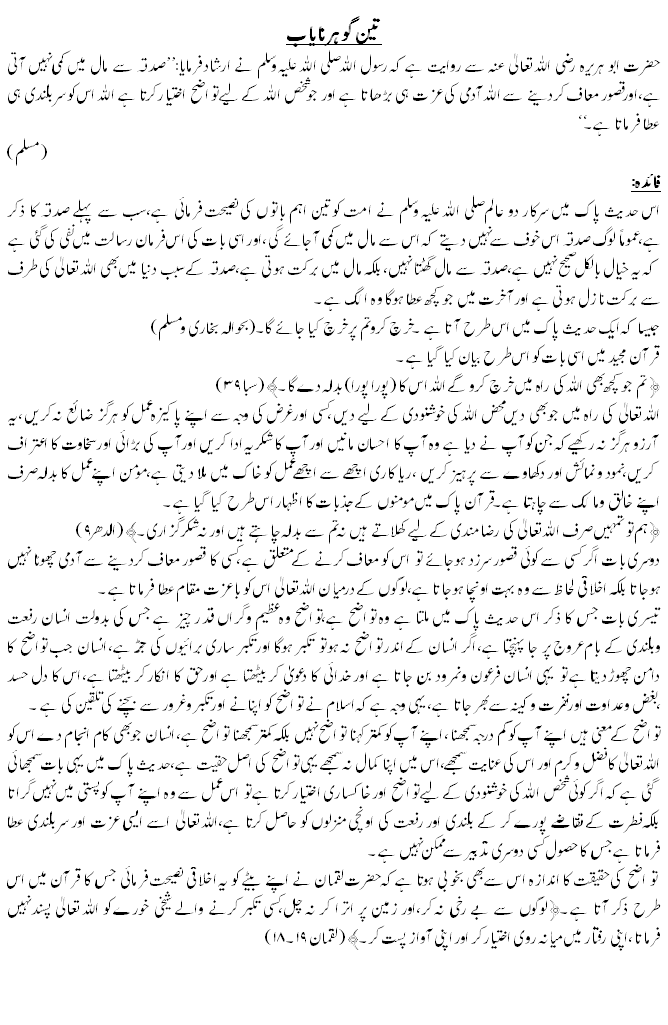
حضرت ابوہریرہ رضی اللہ تعالیٰ عنہ سے روایت ہے کہ رسول اللہ صلی اللہ علیہ وسلم نے ارشاد فرمایا: ”صدقے سے مال میں کمی نہیں آتی ہے، اور قصور معاف کر دینے سے اللہ آدمی کی عزت ہی بڑھاتا ہے اور جو شخص اللہ کے لیے تواضع اختیار کرتا ہے اللہ اس کو سربلندی ہی عطا فرماتا ہے۔“ (مسلم)
اس حدیث پاک میں سرکارِ دو عالم صلی اللہ علیہ وسلم نے امت کو تین اہم باتوں کی نصیحت فرمائی ہے، سب سے پہلے صدقہ کا ذکر ہے، عموماً لوگ صدقہ اس خوف سے نہیں دیتے کہ اس سے مال میں کمی آ جائے گی، اور اسی بات کی اس فرمانِ رسالت میں نفی کی گئی ہے کہ یہ خیال بالکل صحیح نہیں ہے، صدقے سے مال گھٹتا نہیں، بلکہ مال میں برکت ہوتی ہے، صدقے کے سبب دنیا میں بھی اللہ تعالیٰ کی طرف سے برکت نازل ہوتی ہے اور آخرت میں جو کچھ عطا ہوگا وہ الگ ہے۔ جیسا کہ ایک حدیث پاک میں اس طرح آتا ہے۔ خرچ کرو تم پر خرچ کیا جائے گا۔ (بحوالہ بخاری و مسلم) قرآن مجید میں اسی بات کو اس طرح بیان کیا گیا ہے۔ ﴿تم جو کچھ بھی اللہ کی راہ میں خرچ کرو گے اللہ اس کا (پورا پورا) بدلہ دے گا۔﴾ (سبا ۳۹)
اللہ تعالیٰ کی راہ میں جو بھی دیں محض اللہ کی خوشنودی کے لیے دیں، کسی اور غرض کی وجہ سے اپنے اپنے پاکیزہ عمل کو ہرگز ضائع نہ کریں، یہ آرزو ہرگز نہ رکھیے کہ جن کو آپ نے دیا ہے وہ آپ کا احسان مانیں اور آپ کا شکریہ ادا کریں اور آپ کی بڑائی اور سخاوت کا اعتراف کریں، نمود و نمائش اور دکھاوے سے پرہیز کریں، ریاکاری اچھے سے اچھے عمل کو خاک میں ملا دیتی ہے، مومن اپنے عمل کا بدلہ صرف اپنے خالق و مالک سے چاہتا ہے۔ قرآن پاک میں مومنوں کے جذبات کا اظہار اس طرح کیا گیا ہے۔ ﴿ہم تو تمہیں صرف اللہ تعالیٰ کی رضامندی کے لیے کھلاتے ہیں نہ تم سے بدلہ چاہتے ہیں اور نہ شکر گزاری۔﴾ (الدھر ۹)
دوسری بات، اگر کسی سے کوئی قصور سرزد ہو جائے تو اس کو معاف کرنے کے متعلق ہے، کسی کا قصور معاف کر دینے سے آدمی چھوٹا نہیں ہو جاتا بلکہ اخلاقی لحاظ سے وہ بہت اونچا ہو جاتا ہے، لوگوں کے درمیان اللہ تعالیٰ اس کو باعزت مقام عطا فرماتا ہے۔
تیسری بات جس کا ذکر اس حدیث پاک میں ملتا ہے وہ تواضع ہے، تو تواضع وہ عظیم و گراں قدر چیز ہے جس کی بدولت انسان رفعت و بلندی کے بامِ عروج پر جا پہنچتا ہے، اگر انسان کے اندر تواضع نہ ہو تو تکبر ہوگا اور تکبر ساری برائیوں کی جڑ ہے، انسان جب تواضع کا دامن چھوڑ دیتا ہے تو یہی انسان فرعون و نمرود بن جاتا ہے اور خدائی کا دعویٰ کر بیٹھتا ہے اور حق کا انکار کر بیٹھتا ہے، اس کا دل حسد و بغض و عداوت اور نفرت و کینہ سے بھر جاتا ہے، یہی وجہ ہے کہ اسلام نے تواضع کو اپنانے اور تکبر و غرور سے بچنے کی تلقین کی ہے۔
تواضع کے معنی ہیں اپنے آپ کو کم درجہ سمجھنا، اپنے آپ کو کم تر کہنا تواضع نہیں بلکہ کم تر سمجھنا تواضع ہے، انسان جو بھی کام انجام دے اس کو اللہ تعالیٰ کا فضل و کرم اور اس کی عنایت سمجھے، اس میں اپنا کمال نہ سمجھے یہی تواضع کی اصل حقیقت ہے، حدیث پاک میں یہی بات سمجھائی گئی ہے کہ اگر کوئی شخص اللہ کی خوشنودی کے لیے تواضع اور خاکساری اختیار کرتا ہے تو اس عمل سے وہ اپنے آپ کو پستی میں نہیں گراتا بلکہ فطرت کے تقاضے پورے کر کے بلندی اور رفعت کی اونچی منزلوں کو حاصل کرتا ہے، اللہ تعالیٰ اسے ایسی عزت اور سربلندی عطا فرماتا ہے جس کا حصول کسی دوسری تدبیر سے ممکن نہیں ہے۔
تواضع کی حقیقت کا اندازہ اس سے بخوبی ہوتا ہے کہ حضرت لقمان نے اپنے بیٹے کو یہ اخلاقی نصیحت فرمائی جس کا قرآن میں اس طرح ذکر آتا ہے۔ ﴿لوگوں سے بے رخی نہ کر، اور زمین پر اترا کر نہ چل، کسی تکبر کرنے والے شیخی خورے کو اللہ تعالیٰ پسند نہیں فرماتا، اپنی رفتار میں میانہ روی اختیار کر اور اپنی آواز پست کر۔﴾ (لقمان ۱۹۔۱۸)
اللہ تعالیٰ کی راہ میں جو بھی دیں محض اللہ کی خوشنودی کے لیے دیں، کسی اور غرض کی وجہ سے اپنے اپنے پاکیزہ عمل کو ہرگز ضائع نہ کریں، یہ آرزو ہرگز نہ رکھیے کہ جن کو آپ نے دیا ہے وہ آپ کا احسان مانیں اور آپ کا شکریہ ادا کریں اور آپ کی بڑائی اور سخاوت کا اعتراف کریں، نمود و نمائش اور دکھاوے سے پرہیز کریں، ریاکاری اچھے سے اچھے عمل کو خاک میں ملا دیتی ہے، مومن اپنے عمل کا بدلہ صرف اپنے خالق و مالک سے چاہتا ہے۔ قرآن پاک میں مومنوں کے جذبات کا اظہار اس طرح کیا گیا ہے۔ ﴿ہم تو تمہیں صرف اللہ تعالیٰ کی رضامندی کے لیے کھلاتے ہیں نہ تم سے بدلہ چاہتے ہیں اور نہ شکر گزاری۔﴾ (الدھر ۹)
دوسری بات، اگر کسی سے کوئی قصور سرزد ہو جائے تو اس کو معاف کرنے کے متعلق ہے، کسی کا قصور معاف کر دینے سے آدمی چھوٹا نہیں ہو جاتا بلکہ اخلاقی لحاظ سے وہ بہت اونچا ہو جاتا ہے، لوگوں کے درمیان اللہ تعالیٰ اس کو باعزت مقام عطا فرماتا ہے۔
تیسری بات جس کا ذکر اس حدیث پاک میں ملتا ہے وہ تواضع ہے، تو تواضع وہ عظیم و گراں قدر چیز ہے جس کی بدولت انسان رفعت و بلندی کے بامِ عروج پر جا پہنچتا ہے، اگر انسان کے اندر تواضع نہ ہو تو تکبر ہوگا اور تکبر ساری برائیوں کی جڑ ہے، انسان جب تواضع کا دامن چھوڑ دیتا ہے تو یہی انسان فرعون و نمرود بن جاتا ہے اور خدائی کا دعویٰ کر بیٹھتا ہے اور حق کا انکار کر بیٹھتا ہے، اس کا دل حسد و بغض و عداوت اور نفرت و کینہ سے بھر جاتا ہے، یہی وجہ ہے کہ اسلام نے تواضع کو اپنانے اور تکبر و غرور سے بچنے کی تلقین کی ہے۔
تواضع کے معنی ہیں اپنے آپ کو کم درجہ سمجھنا، اپنے آپ کو کم تر کہنا تواضع نہیں بلکہ کم تر سمجھنا تواضع ہے، انسان جو بھی کام انجام دے اس کو اللہ تعالیٰ کا فضل و کرم اور اس کی عنایت سمجھے، اس میں اپنا کمال نہ سمجھے یہی تواضع کی اصل حقیقت ہے، حدیث پاک میں یہی بات سمجھائی گئی ہے کہ اگر کوئی شخص اللہ کی خوشنودی کے لیے تواضع اور خاکساری اختیار کرتا ہے تو اس عمل سے وہ اپنے آپ کو پستی میں نہیں گراتا بلکہ فطرت کے تقاضے پورے کر کے بلندی اور رفعت کی اونچی منزلوں کو حاصل کرتا ہے، اللہ تعالیٰ اسے ایسی عزت اور سربلندی عطا فرماتا ہے جس کا حصول کسی دوسری تدبیر سے ممکن نہیں ہے۔
تواضع کی حقیقت کا اندازہ اس سے بخوبی ہوتا ہے کہ حضرت لقمان نے اپنے بیٹے کو یہ اخلاقی نصیحت فرمائی جس کا قرآن میں اس طرح ذکر آتا ہے۔ ﴿لوگوں سے بے رخی نہ کر، اور زمین پر اترا کر نہ چل، کسی تکبر کرنے والے شیخی خورے کو اللہ تعالیٰ پسند نہیں فرماتا، اپنی رفتار میں میانہ روی اختیار کر اور اپنی آواز پست کر۔﴾ (لقمان ۱۹۔۱۸)
English translation
Abu Hurayrah (may Allah be pleased with him) narrated that the Messenger of Allah (ﷺ) said: "Charity does not decrease wealth; by forgiving faults Allah only increases a person's honour; and whoever adopts humility for the sake of Allah, Allah only raises him in rank." (Muslim)
In this noble hadith the Master of both worlds (ﷺ) advised the Ummah on three important matters. First is the mention of charity. Generally people do not give charity out of fear that it will decrease their wealth; and it is precisely this notion that this prophetic saying negates — the idea is not at all correct, for charity does not diminish wealth, rather it brings blessing into it. Through charity, blessing descends from Allah in this world too, and what will be given in the Hereafter is separate. As one noble hadith says: "Spend, and it will be spent on you." (Reported by Bukhari and Muslim.) The Qur'an expresses this thus: "Whatever you spend in the way of Allah, He will fully repay it." (Saba 39).
Whatever one gives in the way of Allah should be given purely for Allah's pleasure; do not ruin your pure deed for any other motive. Never harbour the desire that those you have given to should acknowledge your favour, thank you, or praise your generosity. Avoid ostentation, display and showing off, for showing off destroys even the best of deeds. A believer seeks the reward of his deed only from his Creator and Master. The Qur'an expresses the believers' feelings thus: "We feed you only for the pleasure of Allah; we desire from you neither reward nor thanks." (Ad-Dahr 9).
The second matter concerns forgiving a fault if someone commits one. By forgiving another's fault a person does not become smaller; rather, morally he rises very high, and Allah grants him an honoured position among people.
The third matter mentioned in this noble hadith is humility. Humility is so great and precious a thing that through it a person reaches the heights of elevation and loftiness. If there is no humility in a person there will be arrogance, and arrogance is the root of all evils. When a person abandons humility, this very person becomes a Pharaoh and a Nimrod, claims divinity, denies the truth, and his heart fills with envy, malice, enmity, hatred and rancour. This is why Islam has enjoined adopting humility and avoiding arrogance and pride.
Humility means considering oneself of low degree; merely to call oneself lesser is not humility, but to truly regard oneself as lesser is humility. Whatever a person accomplishes, he should regard it as the grace, kindness and favour of Allah and not consider it his own excellence — this is the real essence of humility. This very point is taught in this noble hadith: that if someone adopts humility and modesty for the sake of Allah's pleasure, then by that deed he does not cast himself into lowliness but, by fulfilling the demands of his nature, attains the lofty stations of elevation and eminence; Allah grants him such honour and loftiness as cannot be attained by any other means.
The reality of humility can be well gauged from the moral advice Hazrat Luqman gave his son, mentioned in the Qur'an: "Do not turn your cheek away from people in scorn, nor walk arrogantly on the earth; Allah does not love any self-conceited boaster. Be moderate in your pace and lower your voice." (Luqman 18-19).
In this noble hadith the Master of both worlds (ﷺ) advised the Ummah on three important matters. First is the mention of charity. Generally people do not give charity out of fear that it will decrease their wealth; and it is precisely this notion that this prophetic saying negates — the idea is not at all correct, for charity does not diminish wealth, rather it brings blessing into it. Through charity, blessing descends from Allah in this world too, and what will be given in the Hereafter is separate. As one noble hadith says: "Spend, and it will be spent on you." (Reported by Bukhari and Muslim.) The Qur'an expresses this thus: "Whatever you spend in the way of Allah, He will fully repay it." (Saba 39).
Whatever one gives in the way of Allah should be given purely for Allah's pleasure; do not ruin your pure deed for any other motive. Never harbour the desire that those you have given to should acknowledge your favour, thank you, or praise your generosity. Avoid ostentation, display and showing off, for showing off destroys even the best of deeds. A believer seeks the reward of his deed only from his Creator and Master. The Qur'an expresses the believers' feelings thus: "We feed you only for the pleasure of Allah; we desire from you neither reward nor thanks." (Ad-Dahr 9).
The second matter concerns forgiving a fault if someone commits one. By forgiving another's fault a person does not become smaller; rather, morally he rises very high, and Allah grants him an honoured position among people.
The third matter mentioned in this noble hadith is humility. Humility is so great and precious a thing that through it a person reaches the heights of elevation and loftiness. If there is no humility in a person there will be arrogance, and arrogance is the root of all evils. When a person abandons humility, this very person becomes a Pharaoh and a Nimrod, claims divinity, denies the truth, and his heart fills with envy, malice, enmity, hatred and rancour. This is why Islam has enjoined adopting humility and avoiding arrogance and pride.
Humility means considering oneself of low degree; merely to call oneself lesser is not humility, but to truly regard oneself as lesser is humility. Whatever a person accomplishes, he should regard it as the grace, kindness and favour of Allah and not consider it his own excellence — this is the real essence of humility. This very point is taught in this noble hadith: that if someone adopts humility and modesty for the sake of Allah's pleasure, then by that deed he does not cast himself into lowliness but, by fulfilling the demands of his nature, attains the lofty stations of elevation and eminence; Allah grants him such honour and loftiness as cannot be attained by any other means.
The reality of humility can be well gauged from the moral advice Hazrat Luqman gave his son, mentioned in the Qur'an: "Do not turn your cheek away from people in scorn, nor walk arrogantly on the earth; Allah does not love any self-conceited boaster. Be moderate in your pace and lower your voice." (Luqman 18-19).
View original image
#Group18
#Quran
#Knowledge
#Charity
#Remembrance
#Prophet
#Truthfulness
#Gratitude
#Humility
#Pride
#Envy
https://hadith.ahadees.com/hadees/1819 — Ahadees.com