

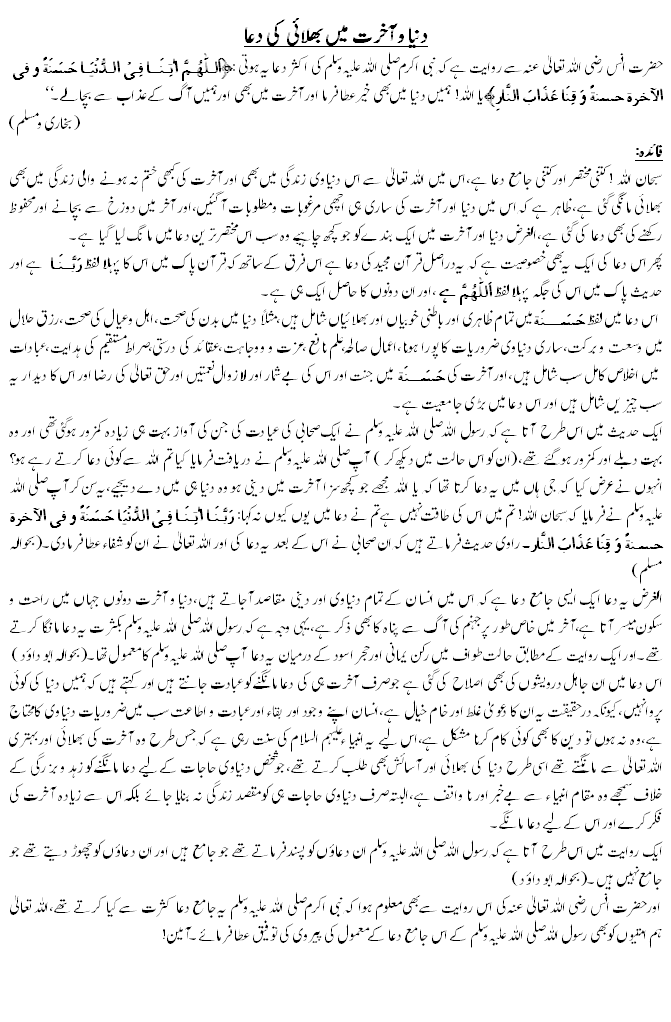
دنیا وآخرت میں بھلائی کی دعا
اَللّٰهُمَّ آتِنَا فِي الدُّنْيَا حَسَنَةً وَّفِي الْآخِرَةِ حَسَنَةً وَّقِنَا عَذَابَ النَّارِ
حضرت انس رضی اللہ تعالیٰ عنہ سے روایت ہے کہ نبی اکرم صلی اللہ علیہ وسلم کی اکثر دعا یہ ہوتی: ”یا اللہ! ہمیں دنیا میں بھی خیر عطا فرما اور آخرت میں بھی اور ہمیں آگ کے عذاب سے بچا لے۔“ (بخاری و مسلم)
سبحان اللہ! کتنی مختصر اور کتنی جامع دعا ہے، اس میں اللہ تعالیٰ سے اس دنیاوی زندگی میں بھی اور آخرت کی کبھی ختم نہ ہونے والی زندگی میں بھی بھلائی مانگی گئی ہے، ظاہر ہے کہ اس میں دنیا اور آخرت کی ساری ہی اچھی مرغوبات و مطلوبات آ گئیں، اور آخر میں دوزخ سے بچانے اور محفوظ رکھنے کی بھی دعا کی گئی ہے، الغرض دنیا اور آخرت میں ایک بندے کو جو کچھ چاہیے وہ سب اس مختصر ترین دعا میں مانگ لیا گیا ہے۔
پھر اس دعا کی ایک یہ بھی خصوصیت ہے کہ یہ دراصل قرآن مجید کی دعا ہے، اس فرق کے ساتھ کہ قرآن پاک میں اس کا پہلا لفظ رَبَّنَا ہے اور حدیث پاک میں اس کی جگہ پہلا لفظ اَللّٰهُمَّ ہے، اور ان دونوں کا حاصل ایک ہی ہے۔
اس دعا میں لفظ حَسَنَة میں تمام ظاہری اور باطنی خوبیاں اور بھلائیاں شامل ہیں، مثلاً دنیا میں بدن کی صحت، اہل و عیال کی صحت، رزقِ حلال میں وسعت و برکت، ساری دنیاوی ضروریات کا پورا ہونا، اعمالِ صالحہ کی توفیق ملنا، عزت و وجاہت، عقائد کی درستی، صراطِ مستقیم کی ہدایت، عبادات میں اخلاصِ کامل سب شامل ہیں، اور آخرت کی حَسَنَة میں جنت اور اس کی بے شمار اور لازوال نعمتیں اور حق تعالیٰ کی رضا اور اس کا دیدار یہ سب چیزیں شامل ہیں اور اس دعا میں بڑی جامعیت ہے۔
ایک حدیث میں اس طرح آتا ہے کہ رسول اللہ صلی اللہ علیہ وسلم نے ایک صحابی کی عیادت کی جن کی آواز بہت ہی زیادہ کمزور ہوگئی تھی اور وہ بہت دبلے اور کمزور ہوگئے تھے، (ان کو اس حالت میں دیکھ کر) آپ صلی اللہ علیہ وسلم نے دریافت فرمایا کیا تم اللہ سے کوئی دعا کرتے رہے ہو؟ انہوں نے عرض کیا کہ جی ہاں میں یہ دعا کرتا تھا کہ یا اللہ مجھے جو کچھ سزا آخرت میں دینی ہو وہ دنیا میں دے دیجیے، یہ سن کر آپ صلی اللہ علیہ وسلم نے فرمایا کہ سبحان اللہ! تم میں اس کی طاقت نہیں ہے، تم نے دعا میں یوں کیوں نہ کہا: رَبَّنَا آتِنَا فِي الدُّنْيَا حَسَنَةً وَّفِي الْآخِرَةِ حَسَنَةً وَّقِنَا عَذَابَ النَّارِ۔ راویِ حدیث فرماتے ہیں کہ ان صحابی نے اس کے بعد یہ دعا کی اور اللہ تعالیٰ نے ان کو شفاء عطا فرمادی۔ (بحوالہ مسلم)
الغرض یہ دعا ایک ایسی جامع دعا ہے کہ اس میں انسان کے تمام دنیاوی اور دینی مقاصد آ جاتے ہیں، دنیا و آخرت دونوں جہاں میں راحت و سکون میسر آتا ہے، آخر میں خاص طور پر جہنم کی آگ سے پناہ کا بھی ذکر ہے، یہی وجہ ہے کہ رسول اللہ صلی اللہ علیہ وسلم بکثرت یہ دعا مانگا کرتے تھے۔ اور ایک روایت کے مطابق حالتِ طواف میں رکنِ یمانی اور حجرِ اسود کے درمیان یہ دعا آپ صلی اللہ علیہ وسلم کا معمول تھا۔ (بحوالہ ابو داؤد)
اس دعا میں ان جاہل درویشوں کی سی اصلاح کی گئی ہے جو صرف آخرت ہی کی دعا مانگتے اور عبادت میں لگے رہتے ہیں اور کہتے ہیں کہ ہمیں دنیا کی کوئی پرواہ نہیں، کیونکہ درحقیقت یہ ان کا دعویٰ غلط اور خام خیال ہے، انسان اپنے وجود اور بقاء اور عبادت و اطاعت سب میں ضروریاتِ دنیاوی کا محتاج ہے، وہ نہ ہوں تو دین کا بھی کوئی کام کرنا مشکل ہے، اس لیے یہ انبیاء علیہم السلام کی سنت رہی ہے کہ جس طرح وہ آخرت کی بھلائی اور بہتری اللہ تعالیٰ سے مانگتے تھے اسی طرح دنیا کی بھلائی اور آسائش بھی طلب کرتے تھے، جو شخص دنیاوی حاجات کے لیے دعا مانگے کو زہد و بزرگی کے خلاف سمجھے وہ مقامِ انبیاء سے بے خبر اور ناواقف ہے، البتہ صرف دنیاوی حاجات ہی کو مقصدِ زندگی نہ بنایا جائے بلکہ اس سے زیادہ آخرت کی فکر کرے اور اس کے لیے دعا مانگے۔
ایک روایت میں اس طرح آتا ہے کہ رسول اللہ صلی اللہ علیہ وسلم ان دعاؤں کو پسند فرماتے تھے جو جامع ہیں اور ان دعاؤں کو چھوڑ دیتے تھے جو جامع نہیں ہیں۔ (بحوالہ ابو داؤد) اور حضرت انس رضی اللہ تعالیٰ عنہ کی اس روایت سے بھی معلوم ہوا کہ نبی اکرم صلی اللہ علیہ وسلم یہ جامع دعا کثرت سے کیا کرتے تھے، اللہ تعالیٰ ہم امتیوں کو بھی رسول اللہ صلی اللہ علیہ وسلم کے اس جامع دعا کے معمول کی پیروی کی توفیق عطا فرمائے۔ آمین!
پھر اس دعا کی ایک یہ بھی خصوصیت ہے کہ یہ دراصل قرآن مجید کی دعا ہے، اس فرق کے ساتھ کہ قرآن پاک میں اس کا پہلا لفظ رَبَّنَا ہے اور حدیث پاک میں اس کی جگہ پہلا لفظ اَللّٰهُمَّ ہے، اور ان دونوں کا حاصل ایک ہی ہے۔
اس دعا میں لفظ حَسَنَة میں تمام ظاہری اور باطنی خوبیاں اور بھلائیاں شامل ہیں، مثلاً دنیا میں بدن کی صحت، اہل و عیال کی صحت، رزقِ حلال میں وسعت و برکت، ساری دنیاوی ضروریات کا پورا ہونا، اعمالِ صالحہ کی توفیق ملنا، عزت و وجاہت، عقائد کی درستی، صراطِ مستقیم کی ہدایت، عبادات میں اخلاصِ کامل سب شامل ہیں، اور آخرت کی حَسَنَة میں جنت اور اس کی بے شمار اور لازوال نعمتیں اور حق تعالیٰ کی رضا اور اس کا دیدار یہ سب چیزیں شامل ہیں اور اس دعا میں بڑی جامعیت ہے۔
ایک حدیث میں اس طرح آتا ہے کہ رسول اللہ صلی اللہ علیہ وسلم نے ایک صحابی کی عیادت کی جن کی آواز بہت ہی زیادہ کمزور ہوگئی تھی اور وہ بہت دبلے اور کمزور ہوگئے تھے، (ان کو اس حالت میں دیکھ کر) آپ صلی اللہ علیہ وسلم نے دریافت فرمایا کیا تم اللہ سے کوئی دعا کرتے رہے ہو؟ انہوں نے عرض کیا کہ جی ہاں میں یہ دعا کرتا تھا کہ یا اللہ مجھے جو کچھ سزا آخرت میں دینی ہو وہ دنیا میں دے دیجیے، یہ سن کر آپ صلی اللہ علیہ وسلم نے فرمایا کہ سبحان اللہ! تم میں اس کی طاقت نہیں ہے، تم نے دعا میں یوں کیوں نہ کہا: رَبَّنَا آتِنَا فِي الدُّنْيَا حَسَنَةً وَّفِي الْآخِرَةِ حَسَنَةً وَّقِنَا عَذَابَ النَّارِ۔ راویِ حدیث فرماتے ہیں کہ ان صحابی نے اس کے بعد یہ دعا کی اور اللہ تعالیٰ نے ان کو شفاء عطا فرمادی۔ (بحوالہ مسلم)
الغرض یہ دعا ایک ایسی جامع دعا ہے کہ اس میں انسان کے تمام دنیاوی اور دینی مقاصد آ جاتے ہیں، دنیا و آخرت دونوں جہاں میں راحت و سکون میسر آتا ہے، آخر میں خاص طور پر جہنم کی آگ سے پناہ کا بھی ذکر ہے، یہی وجہ ہے کہ رسول اللہ صلی اللہ علیہ وسلم بکثرت یہ دعا مانگا کرتے تھے۔ اور ایک روایت کے مطابق حالتِ طواف میں رکنِ یمانی اور حجرِ اسود کے درمیان یہ دعا آپ صلی اللہ علیہ وسلم کا معمول تھا۔ (بحوالہ ابو داؤد)
اس دعا میں ان جاہل درویشوں کی سی اصلاح کی گئی ہے جو صرف آخرت ہی کی دعا مانگتے اور عبادت میں لگے رہتے ہیں اور کہتے ہیں کہ ہمیں دنیا کی کوئی پرواہ نہیں، کیونکہ درحقیقت یہ ان کا دعویٰ غلط اور خام خیال ہے، انسان اپنے وجود اور بقاء اور عبادت و اطاعت سب میں ضروریاتِ دنیاوی کا محتاج ہے، وہ نہ ہوں تو دین کا بھی کوئی کام کرنا مشکل ہے، اس لیے یہ انبیاء علیہم السلام کی سنت رہی ہے کہ جس طرح وہ آخرت کی بھلائی اور بہتری اللہ تعالیٰ سے مانگتے تھے اسی طرح دنیا کی بھلائی اور آسائش بھی طلب کرتے تھے، جو شخص دنیاوی حاجات کے لیے دعا مانگے کو زہد و بزرگی کے خلاف سمجھے وہ مقامِ انبیاء سے بے خبر اور ناواقف ہے، البتہ صرف دنیاوی حاجات ہی کو مقصدِ زندگی نہ بنایا جائے بلکہ اس سے زیادہ آخرت کی فکر کرے اور اس کے لیے دعا مانگے۔
ایک روایت میں اس طرح آتا ہے کہ رسول اللہ صلی اللہ علیہ وسلم ان دعاؤں کو پسند فرماتے تھے جو جامع ہیں اور ان دعاؤں کو چھوڑ دیتے تھے جو جامع نہیں ہیں۔ (بحوالہ ابو داؤد) اور حضرت انس رضی اللہ تعالیٰ عنہ کی اس روایت سے بھی معلوم ہوا کہ نبی اکرم صلی اللہ علیہ وسلم یہ جامع دعا کثرت سے کیا کرتے تھے، اللہ تعالیٰ ہم امتیوں کو بھی رسول اللہ صلی اللہ علیہ وسلم کے اس جامع دعا کے معمول کی پیروی کی توفیق عطا فرمائے۔ آمین!
English translation
Anas (may Allah be pleased with him) narrated that the Prophet (ﷺ) most often made this supplication: "O Allah, grant us good in this world and good in the Hereafter, and save us from the punishment of the Fire." (Bukhari and Muslim)
Glory be to Allah! How brief yet how comprehensive a supplication this is. In it, good is sought from Allah both in this worldly life and in the never-ending life of the Hereafter. Clearly, this encompasses all the good and desirable things of this world and the Hereafter, and at the end there is also a prayer for protection and safety from Hell. In short, everything a servant could need in this world and the Hereafter has been asked for in this most concise supplication.
This supplication has a further distinction: it is in fact a supplication from the Holy Qur'an, with the difference that in the Qur'an its first word is "Rabbana" (Our Lord), while in the hadith its place is taken by "Allahumma" (O Allah); the import of both is one and the same.
In this supplication the word "hasanah" (good) includes all outward and inward virtues and blessings — for example, in this world: bodily health, the health of one's family, abundance and blessing in lawful sustenance, the fulfilment of all worldly needs, the enabling grace to do righteous deeds, honour and dignity, soundness of belief, guidance to the straight path, and complete sincerity in worship — while the "hasanah" of the Hereafter includes Paradise and its countless, everlasting blessings, and the pleasure of the Most High and the vision of Him. All these things are included, and this supplication has great comprehensiveness.
In one hadith it comes that the Messenger of Allah (ﷺ) visited a Companion whose voice had become very weak and who had grown very thin and frail. (Seeing him in this state) the Messenger of Allah (ﷺ) asked, "Have you been making some supplication to Allah?" He replied, "Yes, I used to pray: O Allah, whatever punishment You are to give me in the Hereafter, give it to me in this world instead." Hearing this, the Messenger of Allah (ﷺ) said, "Glory be to Allah! You do not have the strength for that. Why did you not rather say in your supplication: 'Our Lord, grant us good in this world and good in the Hereafter, and save us from the punishment of the Fire.'" The narrator of the hadith says that the Companion then made this supplication and Allah granted him recovery. (Reported by Muslim.)
In short, this supplication is so comprehensive that it embraces all of a person's worldly and religious aims; through it one attains ease and peace in both worlds. At the end there is particular mention of seeking refuge from the fire of Hell. This is why the Messenger of Allah (ﷺ) frequently made this supplication. According to one narration, it was his practice to make this supplication during Tawaf between the Yemeni Corner and the Black Stone. (Reported by Abu Dawud.)
In this supplication there is a correction of those ignorant ascetics who supplicate only for the Hereafter and remain absorbed in worship, saying that they care nothing for the world; for in reality this claim of theirs is wrong and a false notion. Man is dependent on worldly necessities in his very existence and survival and in his worship and obedience; without them even the work of religion becomes difficult. That is why it has been the way (sunnah) of the Prophets (peace be upon them) that, just as they sought the good and betterment of the Hereafter from Allah, they likewise also sought the good and ease of this world. Whoever regards supplicating for worldly needs as contrary to abstinence and piety is unaware of and unacquainted with the station of the Prophets. However, one should not make worldly needs alone the goal of life; rather one should be more concerned about the Hereafter and supplicate for it.
In one narration it comes that the Messenger of Allah (ﷺ) liked those supplications that are comprehensive and left those that are not. (Reported by Abu Dawud.) And from this narration of Anas (may Allah be pleased with him) it is also learnt that the Prophet (ﷺ) used to make this comprehensive supplication abundantly. May Allah grant us of the Ummah too the ability to follow this practice of the Messenger of Allah (ﷺ). Amin!
Glory be to Allah! How brief yet how comprehensive a supplication this is. In it, good is sought from Allah both in this worldly life and in the never-ending life of the Hereafter. Clearly, this encompasses all the good and desirable things of this world and the Hereafter, and at the end there is also a prayer for protection and safety from Hell. In short, everything a servant could need in this world and the Hereafter has been asked for in this most concise supplication.
This supplication has a further distinction: it is in fact a supplication from the Holy Qur'an, with the difference that in the Qur'an its first word is "Rabbana" (Our Lord), while in the hadith its place is taken by "Allahumma" (O Allah); the import of both is one and the same.
In this supplication the word "hasanah" (good) includes all outward and inward virtues and blessings — for example, in this world: bodily health, the health of one's family, abundance and blessing in lawful sustenance, the fulfilment of all worldly needs, the enabling grace to do righteous deeds, honour and dignity, soundness of belief, guidance to the straight path, and complete sincerity in worship — while the "hasanah" of the Hereafter includes Paradise and its countless, everlasting blessings, and the pleasure of the Most High and the vision of Him. All these things are included, and this supplication has great comprehensiveness.
In one hadith it comes that the Messenger of Allah (ﷺ) visited a Companion whose voice had become very weak and who had grown very thin and frail. (Seeing him in this state) the Messenger of Allah (ﷺ) asked, "Have you been making some supplication to Allah?" He replied, "Yes, I used to pray: O Allah, whatever punishment You are to give me in the Hereafter, give it to me in this world instead." Hearing this, the Messenger of Allah (ﷺ) said, "Glory be to Allah! You do not have the strength for that. Why did you not rather say in your supplication: 'Our Lord, grant us good in this world and good in the Hereafter, and save us from the punishment of the Fire.'" The narrator of the hadith says that the Companion then made this supplication and Allah granted him recovery. (Reported by Muslim.)
In short, this supplication is so comprehensive that it embraces all of a person's worldly and religious aims; through it one attains ease and peace in both worlds. At the end there is particular mention of seeking refuge from the fire of Hell. This is why the Messenger of Allah (ﷺ) frequently made this supplication. According to one narration, it was his practice to make this supplication during Tawaf between the Yemeni Corner and the Black Stone. (Reported by Abu Dawud.)
In this supplication there is a correction of those ignorant ascetics who supplicate only for the Hereafter and remain absorbed in worship, saying that they care nothing for the world; for in reality this claim of theirs is wrong and a false notion. Man is dependent on worldly necessities in his very existence and survival and in his worship and obedience; without them even the work of religion becomes difficult. That is why it has been the way (sunnah) of the Prophets (peace be upon them) that, just as they sought the good and betterment of the Hereafter from Allah, they likewise also sought the good and ease of this world. Whoever regards supplicating for worldly needs as contrary to abstinence and piety is unaware of and unacquainted with the station of the Prophets. However, one should not make worldly needs alone the goal of life; rather one should be more concerned about the Hereafter and supplicate for it.
In one narration it comes that the Messenger of Allah (ﷺ) liked those supplications that are comprehensive and left those that are not. (Reported by Abu Dawud.) And from this narration of Anas (may Allah be pleased with him) it is also learnt that the Prophet (ﷺ) used to make this comprehensive supplication abundantly. May Allah grant us of the Ummah too the ability to follow this practice of the Messenger of Allah (ﷺ). Amin!
View original image
https://hadith.ahadees.com/hadees/1820 — Ahadees.com