

خوفِ خدا
وَالَّذِیۡنَ یُؤۡتُوۡنَ مَاۤ اٰتَوۡا وَّ قُلُوۡبُہُمۡ وَجِلَۃٌ
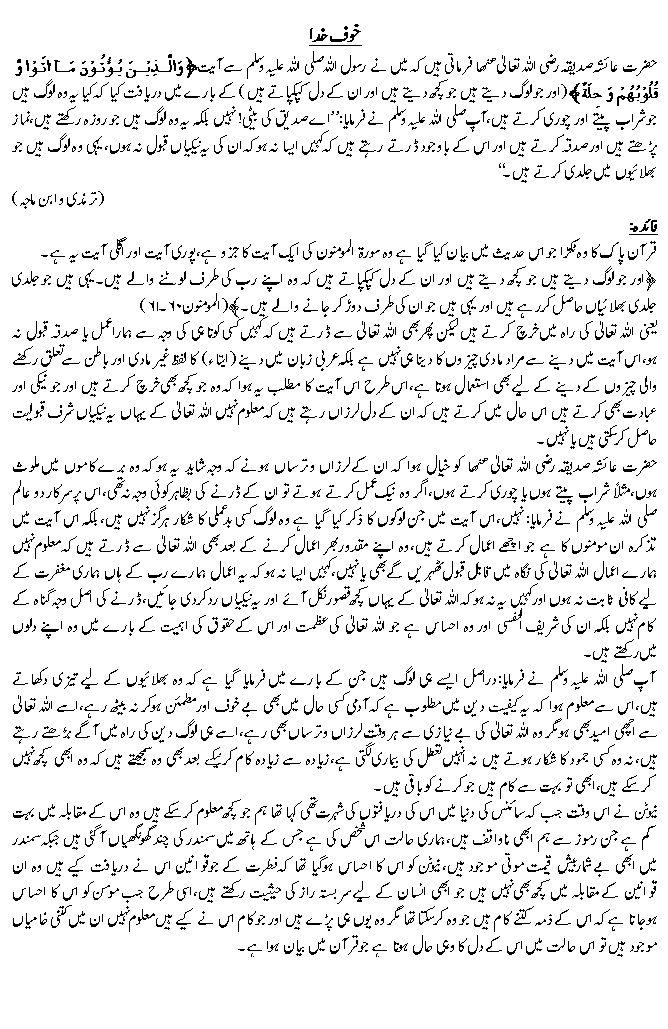
حضرت عائشہ صدیقہ رضی اللہ تعالیٰ عنہا فرماتی ہیں کہ میں نے رسول اللہ صلی اللہ علیہ وسلم سے آیت ﴿وَالَّذِیۡنَ یُؤۡتُوۡنَ مَاۤ اٰتَوۡا وَّ قُلُوۡبُہُمۡ وَجِلَۃٌ﴾ (اور جو لوگ دیتے ہیں جو کچھ دیتے ہیں اور ان کے دل کپکپاتے ہیں) کے بارے میں دریافت کیا کہ کیا یہ وہ لوگ ہیں جو شراب پیتے اور چوری کرتے ہیں، آپ صلی اللہ علیہ وسلم نے فرمایا: "اے صدیق کی بیٹی! نہیں، بلکہ یہ وہ لوگ ہیں جو روزہ رکھتے ہیں، نماز پڑھتے ہیں اور صدقہ کرتے ہیں اور اس کے باوجود ڈرتے رہتے ہیں کہ کہیں ایسا نہ ہو کہ ان کی یہ نیکیاں قبول نہ ہوں، یہی وہ لوگ ہیں جو بھلائیوں میں جلدی کرتے ہیں۔" (ترمذی و ابن ماجہ)
قرآن پاک کا وہ ٹکڑا جو اس حدیث میں بیان کیا گیا ہے وہ سورۃ المومنون کی ایک آیت کا جزو ہے، پوری آیت اور اگلی آیت یہ ہے۔ ﴿اور جو لوگ دیتے ہیں جو کچھ دیتے ہیں اور ان کے دل کپکپاتے ہیں کہ وہ اپنے رب کی طرف لوٹنے والے ہیں۔ یہی ہیں جو جلدی جلدی بھلائیاں حاصل کر رہے ہیں اور یہی ہیں جو ان کی طرف دوڑ کر جانے والے ہیں۔﴾ (المومنون ۶۰-۶۱)
یعنی اللہ تعالیٰ کی راہ میں خرچ کرتے ہیں لیکن پھر بھی اللہ تعالیٰ سے ڈرتے ہیں کہ کہیں کسی کوتاہی کی وجہ سے ہمارا عمل یا صدقہ قبول نہ ہو، اس آیت میں دینے سے مراد مادی چیزوں کا دینا ہی نہیں ہے بلکہ عربی زبان میں دینے (ایتاء) کا لفظ غیر مادی اور باطن سے تعلق رکھنے والی چیزوں کے دینے کے لیے بھی استعمال ہوتا ہے، اس طرح اس آیت کا مطلب یہ ہوا کہ وہ جو کچھ بھی خرچ کرتے ہیں اور جو نیکی اور عبادت بھی کرتے ہیں اس حال میں کرتے ہیں کہ ان کے دل لرزاں رہتے ہیں کہ معلوم نہیں اللہ تعالیٰ کے یہاں یہ نیکیاں شرفِ قبولیت حاصل کر سکتی ہیں یا نہیں۔
حضرت عائشہ صدیقہ رضی اللہ تعالیٰ عنہا کو خیال ہوا کہ ان کے لرزاں و ترساں ہونے کی وجہ شاید یہ ہو کہ وہ برے کاموں میں ملوث ہوں، مثلاً شراب پیتے ہوں یا چوری کرتے ہوں، اگر وہ نیک عمل کرتے ہوتے تو ان کے ڈرنے کی بظاہر کوئی وجہ نہ تھی، اس پر سرکارِ دو عالم صلی اللہ علیہ وسلم نے فرمایا: نہیں، اس آیت میں جن لوگوں کا ذکر کیا گیا ہے وہ لوگ کسی بدعملی کا شکار ہرگز نہیں ہیں، بلکہ اس آیت میں تذکرہ ان مومنوں کا ہے جو اچھے اعمال کرتے ہیں، وہ اپنے مقدور بھر اعمال کرنے کے بعد بھی اللہ تعالیٰ سے ڈرتے ہیں کہ معلوم نہیں ہمارے اعمال اللہ تعالیٰ کی نگاہ میں قابلِ قبول ٹھہریں گے بھی یا نہیں، کہیں ایسا نہ ہو کہ یہ اعمال ہمارے رب کے ہاں ہماری مغفرت کے لیے کافی ثابت نہ ہوں اور کہیں یہ نہ ہو کہ اللہ تعالیٰ کے یہاں کچھ قصور نکل آئے اور یہ نیکیاں رد کر دی جائیں، ڈرنے کی اصل وجہ گناہ کے کام نہیں بلکہ ان کی شریف النفسی اور وہ احساس ہے جو اللہ تعالیٰ کی عظمت اور اس کے حقوق کی اہمیت کے بارے میں وہ اپنے دلوں میں رکھتے ہیں۔
آپ صلی اللہ علیہ وسلم نے فرمایا: دراصل ایسے ہی لوگ ہیں جن کے بارے میں فرمایا گیا ہے کہ وہ بھلائیوں کے لیے تیزی دکھاتے ہیں، اس سے معلوم ہوا کہ یہ کیفیت دین میں مطلوب ہے کہ آدمی کسی حال میں بھی بے خوف اور مطمئن ہو کر نہ بیٹھ رہے، اللہ تعالیٰ سے اچھی امید بھی ہو مگر وہ اللہ تعالیٰ کی بے نیازی سے ہر وقت لرزاں و ترساں بھی رہے، ایسے ہی لوگ دین کی راہ میں آگے بڑھتے رہتے ہیں، نہ وہ کسی جمود کا شکار ہوتے ہیں نہ انہیں تعطل کی بیماری لگتی ہے، زیادہ سے زیادہ کام کرنے کے بعد بھی وہ سمجھتے ہیں کہ وہ ابھی کچھ نہیں کر سکے، ابھی تو بہت سے کام ہیں جو کرنے کو باقی ہیں۔
نیوٹن نے اس وقت جب کہ سائنس کی دنیا میں اس کی دریافتوں کی شہرت تھی کہا تھا کہ ہم جو کچھ معلوم کر سکے ہیں وہ اس کے مقابلہ میں بہت کم ہے جن رموز سے ہم ابھی ناواقف ہیں، ہماری حالت اس شخص کی ہے جس کے ہاتھ میں سمندر کی چند گھونگھیاں آ گئی ہیں جبکہ سمندر میں ابھی بے شمار بیش قیمت موتی موجود ہیں، نیوٹن کو اس کا احساس ہو گیا تھا کہ فطرت کے جو قوانین اس نے دریافت کیے ہیں وہ ان قوانین کے مقابلہ میں کچھ بھی نہیں ہیں جو ابھی انسان کے لیے سربستہ راز کی حیثیت رکھتے ہیں، اسی طرح جب مومن کو اس کا احساس ہو جاتا ہے کہ اس کے ذمہ کتنے کام ہیں جو وہ کر سکتا تھا مگر وہ یوں ہی پڑے ہیں اور جو کام اس نے کیے ہیں ان میں معلوم نہیں کتنی خامیاں موجود ہیں تو اس حالت میں اس کے دل کا وہی حال ہوتا ہے جو قرآن میں بیان ہوا ہے۔
یعنی اللہ تعالیٰ کی راہ میں خرچ کرتے ہیں لیکن پھر بھی اللہ تعالیٰ سے ڈرتے ہیں کہ کہیں کسی کوتاہی کی وجہ سے ہمارا عمل یا صدقہ قبول نہ ہو، اس آیت میں دینے سے مراد مادی چیزوں کا دینا ہی نہیں ہے بلکہ عربی زبان میں دینے (ایتاء) کا لفظ غیر مادی اور باطن سے تعلق رکھنے والی چیزوں کے دینے کے لیے بھی استعمال ہوتا ہے، اس طرح اس آیت کا مطلب یہ ہوا کہ وہ جو کچھ بھی خرچ کرتے ہیں اور جو نیکی اور عبادت بھی کرتے ہیں اس حال میں کرتے ہیں کہ ان کے دل لرزاں رہتے ہیں کہ معلوم نہیں اللہ تعالیٰ کے یہاں یہ نیکیاں شرفِ قبولیت حاصل کر سکتی ہیں یا نہیں۔
حضرت عائشہ صدیقہ رضی اللہ تعالیٰ عنہا کو خیال ہوا کہ ان کے لرزاں و ترساں ہونے کی وجہ شاید یہ ہو کہ وہ برے کاموں میں ملوث ہوں، مثلاً شراب پیتے ہوں یا چوری کرتے ہوں، اگر وہ نیک عمل کرتے ہوتے تو ان کے ڈرنے کی بظاہر کوئی وجہ نہ تھی، اس پر سرکارِ دو عالم صلی اللہ علیہ وسلم نے فرمایا: نہیں، اس آیت میں جن لوگوں کا ذکر کیا گیا ہے وہ لوگ کسی بدعملی کا شکار ہرگز نہیں ہیں، بلکہ اس آیت میں تذکرہ ان مومنوں کا ہے جو اچھے اعمال کرتے ہیں، وہ اپنے مقدور بھر اعمال کرنے کے بعد بھی اللہ تعالیٰ سے ڈرتے ہیں کہ معلوم نہیں ہمارے اعمال اللہ تعالیٰ کی نگاہ میں قابلِ قبول ٹھہریں گے بھی یا نہیں، کہیں ایسا نہ ہو کہ یہ اعمال ہمارے رب کے ہاں ہماری مغفرت کے لیے کافی ثابت نہ ہوں اور کہیں یہ نہ ہو کہ اللہ تعالیٰ کے یہاں کچھ قصور نکل آئے اور یہ نیکیاں رد کر دی جائیں، ڈرنے کی اصل وجہ گناہ کے کام نہیں بلکہ ان کی شریف النفسی اور وہ احساس ہے جو اللہ تعالیٰ کی عظمت اور اس کے حقوق کی اہمیت کے بارے میں وہ اپنے دلوں میں رکھتے ہیں۔
آپ صلی اللہ علیہ وسلم نے فرمایا: دراصل ایسے ہی لوگ ہیں جن کے بارے میں فرمایا گیا ہے کہ وہ بھلائیوں کے لیے تیزی دکھاتے ہیں، اس سے معلوم ہوا کہ یہ کیفیت دین میں مطلوب ہے کہ آدمی کسی حال میں بھی بے خوف اور مطمئن ہو کر نہ بیٹھ رہے، اللہ تعالیٰ سے اچھی امید بھی ہو مگر وہ اللہ تعالیٰ کی بے نیازی سے ہر وقت لرزاں و ترساں بھی رہے، ایسے ہی لوگ دین کی راہ میں آگے بڑھتے رہتے ہیں، نہ وہ کسی جمود کا شکار ہوتے ہیں نہ انہیں تعطل کی بیماری لگتی ہے، زیادہ سے زیادہ کام کرنے کے بعد بھی وہ سمجھتے ہیں کہ وہ ابھی کچھ نہیں کر سکے، ابھی تو بہت سے کام ہیں جو کرنے کو باقی ہیں۔
نیوٹن نے اس وقت جب کہ سائنس کی دنیا میں اس کی دریافتوں کی شہرت تھی کہا تھا کہ ہم جو کچھ معلوم کر سکے ہیں وہ اس کے مقابلہ میں بہت کم ہے جن رموز سے ہم ابھی ناواقف ہیں، ہماری حالت اس شخص کی ہے جس کے ہاتھ میں سمندر کی چند گھونگھیاں آ گئی ہیں جبکہ سمندر میں ابھی بے شمار بیش قیمت موتی موجود ہیں، نیوٹن کو اس کا احساس ہو گیا تھا کہ فطرت کے جو قوانین اس نے دریافت کیے ہیں وہ ان قوانین کے مقابلہ میں کچھ بھی نہیں ہیں جو ابھی انسان کے لیے سربستہ راز کی حیثیت رکھتے ہیں، اسی طرح جب مومن کو اس کا احساس ہو جاتا ہے کہ اس کے ذمہ کتنے کام ہیں جو وہ کر سکتا تھا مگر وہ یوں ہی پڑے ہیں اور جو کام اس نے کیے ہیں ان میں معلوم نہیں کتنی خامیاں موجود ہیں تو اس حالت میں اس کے دل کا وہی حال ہوتا ہے جو قرآن میں بیان ہوا ہے۔
English translation
Aisha the truthful (may Allah be pleased with her) says: I asked the Messenger of Allah ﷺ about the verse "And those who give what they give while their hearts are trembling" — "Are these the people who drink wine and steal?" He ﷺ said: "No, O daughter of the Siddiq! Rather these are the people who fast, pray and give charity, and along with that remain fearful lest these good deeds of theirs not be accepted; these are the ones who hasten to good works." (Tirmidhi and Ibn Majah)
The portion of the Holy Qur'an mentioned in this hadith is part of a verse of Surah al-Mu'minun. The complete verse and the one after it are: "And those who give what they give while their hearts are trembling, because they are to return to their Lord — it is these who hasten to good works and it is these who are foremost in reaching them." (al-Mu'minun 60-61)
That is, they spend in the way of Allah, yet even so they fear Allah lest, because of some shortcoming, their deed or charity not be accepted. "Giving" in this verse does not mean only the giving of material things; rather in Arabic the word for giving (ītā') is used also for the giving of non-material and inward things. Thus the meaning of the verse is that whatever they spend, and whatever good deed and worship they perform, they do it while their hearts tremble, not knowing whether these good deeds can attain the honour of acceptance with Allah or not.
Aisha (may Allah be pleased with her) thought that perhaps the reason for their trembling and fear was that they were involved in evil deeds — for instance, drinking wine or stealing — for if they were doing good deeds there was apparently no reason for them to fear. Upon this the Messenger ﷺ said: No; the people mentioned in this verse are by no means afflicted with any misdeed. Rather this verse speaks of those believers who do good deeds; even after performing deeds to the utmost of their capacity they fear Allah, not knowing whether their deeds will be found acceptable in Allah's sight or not — lest these deeds not prove sufficient for their forgiveness before their Lord, and lest some fault appear before Allah and these good deeds be rejected. The real reason for their fear is not sinful deeds, but their nobility of soul and that awareness which they hold in their hearts regarding the majesty of Allah and the importance of His rights.
The Prophet ﷺ said: in fact it is such people about whom it is said that they show eagerness for good deeds. From this it is learned that this state is what religion requires — that a person should not sit at any stage fearless and complacent; he should have good hope in Allah, and yet, because of Allah's utter self-sufficiency, remain ever trembling and fearful. Such people keep advancing in the path of religion; they fall neither into stagnation nor into the disease of inertia; even after doing the most they consider that they have as yet done nothing, and that much work still remains to be done.
Newton, at the time when his discoveries were famous in the world of science, said that what we have been able to learn is very little compared with the secrets of which we are still ignorant; our condition is that of a person into whose hand a few shells of the sea have come while countless precious pearls still remain in the ocean. Newton realised that the laws of nature he had discovered were as nothing compared with those which are still hidden secrets for man. In the same way, when a believer realises how many tasks are his responsibility which he could have done but which lie undone, and that among the deeds he has done there may be countless flaws, then in that state his heart is in the very condition described in the Qur'an.
The portion of the Holy Qur'an mentioned in this hadith is part of a verse of Surah al-Mu'minun. The complete verse and the one after it are: "And those who give what they give while their hearts are trembling, because they are to return to their Lord — it is these who hasten to good works and it is these who are foremost in reaching them." (al-Mu'minun 60-61)
That is, they spend in the way of Allah, yet even so they fear Allah lest, because of some shortcoming, their deed or charity not be accepted. "Giving" in this verse does not mean only the giving of material things; rather in Arabic the word for giving (ītā') is used also for the giving of non-material and inward things. Thus the meaning of the verse is that whatever they spend, and whatever good deed and worship they perform, they do it while their hearts tremble, not knowing whether these good deeds can attain the honour of acceptance with Allah or not.
Aisha (may Allah be pleased with her) thought that perhaps the reason for their trembling and fear was that they were involved in evil deeds — for instance, drinking wine or stealing — for if they were doing good deeds there was apparently no reason for them to fear. Upon this the Messenger ﷺ said: No; the people mentioned in this verse are by no means afflicted with any misdeed. Rather this verse speaks of those believers who do good deeds; even after performing deeds to the utmost of their capacity they fear Allah, not knowing whether their deeds will be found acceptable in Allah's sight or not — lest these deeds not prove sufficient for their forgiveness before their Lord, and lest some fault appear before Allah and these good deeds be rejected. The real reason for their fear is not sinful deeds, but their nobility of soul and that awareness which they hold in their hearts regarding the majesty of Allah and the importance of His rights.
The Prophet ﷺ said: in fact it is such people about whom it is said that they show eagerness for good deeds. From this it is learned that this state is what religion requires — that a person should not sit at any stage fearless and complacent; he should have good hope in Allah, and yet, because of Allah's utter self-sufficiency, remain ever trembling and fearful. Such people keep advancing in the path of religion; they fall neither into stagnation nor into the disease of inertia; even after doing the most they consider that they have as yet done nothing, and that much work still remains to be done.
Newton, at the time when his discoveries were famous in the world of science, said that what we have been able to learn is very little compared with the secrets of which we are still ignorant; our condition is that of a person into whose hand a few shells of the sea have come while countless precious pearls still remain in the ocean. Newton realised that the laws of nature he had discovered were as nothing compared with those which are still hidden secrets for man. In the same way, when a believer realises how many tasks are his responsibility which he could have done but which lie undone, and that among the deeds he has done there may be countless flaws, then in that state his heart is in the very condition described in the Qur'an.
View original image
#Group22
#Prayer
#Fasting
#Quran
#Knowledge
#Charity
#Remembrance
#Prophet
#Truthfulness
#Death
#Sin
https://hadith.ahadees.com/hadees/2206 — Ahadees.com