

مغرب اور فجر کی نماز کے بعد کی خاص دعا
اَللّٰھُمَّ اَجِرْنِیْ مِنَ النَّارِ
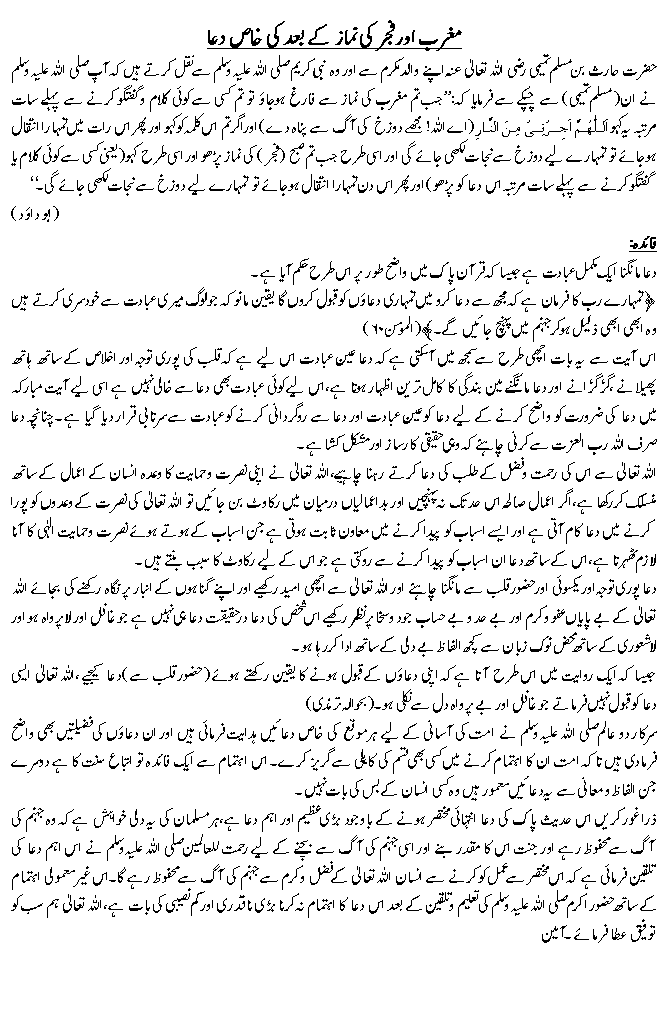
حضرت حارث بن مسلم تیمی رضی اللہ تعالیٰ عنہ اپنے والد مکرم سے اور وہ نبی کریم صلی اللہ علیہ وسلم سے نقل کرتے ہیں کہ آپ صلی اللہ علیہ وسلم نے ان (مسلم تیمی) سے چپکے سے فرمایا کہ: “جب تم مغرب کی نماز سے فارغ ہو جاؤ تو تم کسی سے کوئی کلام و گفتگو کرنے سے پہلے سات مرتبہ یہ کہو اَللّٰھُمَّ اَجِرْنِیْ مِنَ النَّارِ (اے اللہ! مجھے دوزخ کی آگ سے پناہ دے) اور اگر تم اس کلمہ کو کہو اور پھر اس رات میں تمہارا انتقال ہو جائے تو تمہارے لیے دوزخ سے نجات لکھی جائے گی اور اسی طرح جب تم صبح (فجر) کی نماز پڑھو اور اسی طرح کہو (یعنی کسی سے کوئی کلام یا گفتگو کرنے سے پہلے سات مرتبہ اس دعا کو پڑھو) اور پھر اس دن تمہارا انتقال ہو جائے تو تمہارے لیے دوزخ سے نجات لکھی جائے گی۔” (ابو داؤد)
دعا مانگنا ایک مکمل عبادت ہے جیسا کہ قرآن پاک میں واضح طور پر اس طرح حکم آیا ہے۔
﴿تمہارے رب کا فرمان ہے کہ مجھ سے دعا کرو میں تمہاری دعاؤں کو قبول کروں گا، یقین مانو کہ جو لوگ میری عبادت سے خود سری کرتے ہیں وہ ابھی ابھی ذلیل ہو کر جہنم میں پہنچ جائیں گے۔﴾ (المومن ٦٠)
اس آیت سے یہ بات اچھی طرح سے سمجھ میں آ سکتی ہے کہ دعا عین عبادت ہے اس لیے ہے کہ قلب کی پوری توجہ اور اخلاص کے ساتھ ہاتھ پھیلانے، گڑگڑانے اور دعا مانگنے میں بندگی کا کامل ترین اظہار ہوتا ہے، اس لیے کوئی عبادت بھی دعا سے خالی نہیں ہے اسی لیے آیت مبارکہ میں دعا کی ضرورت کو واضح کرنے کے لیے دعا کو عین عبادت اور دعا سے روگردانی کرنے کو عبادت سے سرتابی قرار دیا گیا ہے۔ چنانچہ دعا صرف اللہ رب العزت سے کرنی چاہیے کہ وہی حقیقی کارساز اور مشکل کشا ہے۔
اللہ تعالیٰ سے اس کی رحمت و فضل کے طلب کی دعا کرتے رہنا چاہیے، اللہ تعالیٰ نے اپنی نصرت و حمایت کا وعدہ انسان کے اعمال کے ساتھ منسلک کر رکھا ہے، اگر اعمال صالحہ اس حد تک نہ پہنچیں اور بد اعمالیاں درمیان میں رکاوٹ بن جائیں تو اللہ تعالیٰ کی نصرت کے وعدوں کے پورا کرنے میں دعا کام آتی ہے اور ایسے اسباب کو پیدا کرنے میں معاون ثابت ہوتی ہے جن اسباب کے ہوتے ہوئے نصرت و حمایت الٰہی کا آنا لازم ٹھہرتا ہے، اس کے ساتھ دعا ان اسباب کو پیدا کرنے سے روکتی ہے جو اس کے لیے رکاوٹ کا سبب بنتے ہیں۔
دعا پوری توجہ اور یکسوئی اور حضور قلب سے مانگنا چاہیے اور اللہ تعالیٰ سے اچھی امید رکھیے اور اپنے گناہوں کے انبار پر نگاہ رکھنے کی بجائے اللہ تعالیٰ کے بے پایاں عفو و کرم اور بے حد و بے حساب جود و سخا پر نظر رکھے، اس شخص کی دعا در حقیقت دعا ہی نہیں ہے جو غافل اور لاپرواہ ہو اور لاشعوری کے ساتھ محض نوک زبان سے کچھ الفاظ بے دلی کے ساتھ ادا کر رہا ہو۔
جیسا کہ ایک روایت میں اس طرح آنا ہے کہ اپنی دعاؤں کے قبول ہونے کا یقین رکھتے ہوئے (حضور قلب سے) دعا کیجیے، اللہ تعالیٰ ایسی دعا کو قبول نہیں فرماتے جو غافل اور بے پرواہ دل سے نکلی ہو۔ (بحوالہ ترمذی)
سرکار دو عالم صلی اللہ علیہ وسلم نے امت کی آسانی کے لیے ہر موقع کی خاص دعائیں ہدایت فرمائی ہیں اور ان دعاؤں کی فضیلتیں بھی واضح فرما دی ہیں تا کہ امت ان کا اہتمام کرنے میں کسی بھی قسم کی کاہلی سے گریز کرے۔ اس اہتمام سے ایک فائدہ تو اتباع سنت کا ہے دوسرے جن الفاظ و معانی سے یہ دعائیں معمور ہیں وہ کسی انسان کے بس کی بات نہیں۔
ذرا غور کریں اس حدیث پاک کی دعا انتہائی مختصر ہونے کے باوجود بڑی عظیم اور اہم دعا ہے، ہر مسلمان کی یہ دلی خواہش ہے کہ وہ جہنم کی آگ سے محفوظ رہے اور جنت اس کا مقدر بنے اور اسی جہنم کی آگ سے بچنے کے لیے رحمت للعالمین صلی اللہ علیہ وسلم نے اس اہم دعا کی تلقین فرمائی ہے کہ اس مختصر سے عمل کو کرنے سے انسان اللہ تعالیٰ کے فضل و کرم سے جہنم کی آگ سے محفوظ رہے گا۔ اس غیر معمولی اہتمام کے ساتھ حضور اکرم صلی اللہ علیہ وسلم کی تعلیم و تلقین کے بعد اس دعا کا اہتمام نہ کرنا بڑی نا قدری اور کم نصیبی کی بات ہے، اللہ تعالیٰ ہم سب کو توفیق عطا فرمائے۔ آمین۔
﴿تمہارے رب کا فرمان ہے کہ مجھ سے دعا کرو میں تمہاری دعاؤں کو قبول کروں گا، یقین مانو کہ جو لوگ میری عبادت سے خود سری کرتے ہیں وہ ابھی ابھی ذلیل ہو کر جہنم میں پہنچ جائیں گے۔﴾ (المومن ٦٠)
اس آیت سے یہ بات اچھی طرح سے سمجھ میں آ سکتی ہے کہ دعا عین عبادت ہے اس لیے ہے کہ قلب کی پوری توجہ اور اخلاص کے ساتھ ہاتھ پھیلانے، گڑگڑانے اور دعا مانگنے میں بندگی کا کامل ترین اظہار ہوتا ہے، اس لیے کوئی عبادت بھی دعا سے خالی نہیں ہے اسی لیے آیت مبارکہ میں دعا کی ضرورت کو واضح کرنے کے لیے دعا کو عین عبادت اور دعا سے روگردانی کرنے کو عبادت سے سرتابی قرار دیا گیا ہے۔ چنانچہ دعا صرف اللہ رب العزت سے کرنی چاہیے کہ وہی حقیقی کارساز اور مشکل کشا ہے۔
اللہ تعالیٰ سے اس کی رحمت و فضل کے طلب کی دعا کرتے رہنا چاہیے، اللہ تعالیٰ نے اپنی نصرت و حمایت کا وعدہ انسان کے اعمال کے ساتھ منسلک کر رکھا ہے، اگر اعمال صالحہ اس حد تک نہ پہنچیں اور بد اعمالیاں درمیان میں رکاوٹ بن جائیں تو اللہ تعالیٰ کی نصرت کے وعدوں کے پورا کرنے میں دعا کام آتی ہے اور ایسے اسباب کو پیدا کرنے میں معاون ثابت ہوتی ہے جن اسباب کے ہوتے ہوئے نصرت و حمایت الٰہی کا آنا لازم ٹھہرتا ہے، اس کے ساتھ دعا ان اسباب کو پیدا کرنے سے روکتی ہے جو اس کے لیے رکاوٹ کا سبب بنتے ہیں۔
دعا پوری توجہ اور یکسوئی اور حضور قلب سے مانگنا چاہیے اور اللہ تعالیٰ سے اچھی امید رکھیے اور اپنے گناہوں کے انبار پر نگاہ رکھنے کی بجائے اللہ تعالیٰ کے بے پایاں عفو و کرم اور بے حد و بے حساب جود و سخا پر نظر رکھے، اس شخص کی دعا در حقیقت دعا ہی نہیں ہے جو غافل اور لاپرواہ ہو اور لاشعوری کے ساتھ محض نوک زبان سے کچھ الفاظ بے دلی کے ساتھ ادا کر رہا ہو۔
جیسا کہ ایک روایت میں اس طرح آنا ہے کہ اپنی دعاؤں کے قبول ہونے کا یقین رکھتے ہوئے (حضور قلب سے) دعا کیجیے، اللہ تعالیٰ ایسی دعا کو قبول نہیں فرماتے جو غافل اور بے پرواہ دل سے نکلی ہو۔ (بحوالہ ترمذی)
سرکار دو عالم صلی اللہ علیہ وسلم نے امت کی آسانی کے لیے ہر موقع کی خاص دعائیں ہدایت فرمائی ہیں اور ان دعاؤں کی فضیلتیں بھی واضح فرما دی ہیں تا کہ امت ان کا اہتمام کرنے میں کسی بھی قسم کی کاہلی سے گریز کرے۔ اس اہتمام سے ایک فائدہ تو اتباع سنت کا ہے دوسرے جن الفاظ و معانی سے یہ دعائیں معمور ہیں وہ کسی انسان کے بس کی بات نہیں۔
ذرا غور کریں اس حدیث پاک کی دعا انتہائی مختصر ہونے کے باوجود بڑی عظیم اور اہم دعا ہے، ہر مسلمان کی یہ دلی خواہش ہے کہ وہ جہنم کی آگ سے محفوظ رہے اور جنت اس کا مقدر بنے اور اسی جہنم کی آگ سے بچنے کے لیے رحمت للعالمین صلی اللہ علیہ وسلم نے اس اہم دعا کی تلقین فرمائی ہے کہ اس مختصر سے عمل کو کرنے سے انسان اللہ تعالیٰ کے فضل و کرم سے جہنم کی آگ سے محفوظ رہے گا۔ اس غیر معمولی اہتمام کے ساتھ حضور اکرم صلی اللہ علیہ وسلم کی تعلیم و تلقین کے بعد اس دعا کا اہتمام نہ کرنا بڑی نا قدری اور کم نصیبی کی بات ہے، اللہ تعالیٰ ہم سب کو توفیق عطا فرمائے۔ آمین۔
English translation
Harith ibn Muslim al-Taymi (may Allah be pleased with him) reports from his honourable father, who reports from the Noble Prophet (peace and blessings be upon him), that the Prophet (peace and blessings be upon him) said to him (Muslim al-Taymi) privately: “When you finish the Maghrib prayer, before speaking or conversing with anyone, say seven times: Allahumma ajirni min an-nar (O Allah, save me from the Fire of Hell). If you say these words and then pass away that same night, salvation from Hell will be recorded for you. Likewise, when you pray the Fajr (morning) prayer, say the same (that is, before speaking or conversing with anyone, recite this supplication seven times), and if you then pass away that day, salvation from Hell will be recorded for you.” (Abu Dawud)
Supplication (dua) is a complete act of worship, as the Qur'an clearly commands: “Your Lord says: Call upon Me, I will answer your prayers. Be assured that those who are too proud to worship Me will soon enter Hell in disgrace.” (Ghafir 60)
From this verse it can be well understood that supplication is the very essence of worship, because to stretch out the hands, to implore humbly and to beseech with the heart's full attention and sincerity is the most complete expression of servitude. That is why no act of worship is devoid of supplication, and so, to make clear the need for dua, the blessed verse has declared supplication to be the essence of worship and turning away from it to be arrogance against worship. Therefore one should supplicate to Allah, the Lord of Might, alone, for He alone is the true Accomplisher and Reliever of difficulties.
One should keep praying to Allah for His mercy and grace. Allah has linked His promise of help and support to man's deeds. If righteous deeds do not reach the required level and evil deeds become an obstacle in between, then supplication helps in fulfilling Allah's promises of help and proves a means of bringing about those causes in whose presence divine help and support are bound to come; along with this, dua wards off those causes that become obstacles to it.
Supplication should be made with full attention, single-mindedness and presence of heart, and keep good hope in Allah; rather than looking at the pile of your sins, keep your eyes on Allah's boundless forgiveness and grace and His unlimited, uncountable generosity. The supplication of a person who is heedless and careless and is merely uttering some words half-heartedly with the tip of his tongue is in reality no supplication at all.
As it comes in a narration: supplicate with certainty that your prayers will be accepted (with presence of heart); Allah does not accept a supplication that issues from a heedless and careless heart. (via Tirmidhi)
The Master of both worlds (peace and blessings be upon him) has, for the ease of the Ummah, guided them to special supplications for every occasion and made clear the virtues of those supplications too, so that the Ummah may avoid any kind of laziness in observing them. One benefit of this observance is the following of the Sunnah; another is that the words and meanings with which these supplications are filled are beyond the capacity of any human being.
Just consider: despite being extremely brief, the supplication of this blessed hadith is a very great and important dua. It is every Muslim's heartfelt desire to be safe from the Fire of Hell and to have Paradise as his destiny, and to save one from that very Fire the Mercy to the Worlds (peace and blessings be upon him) enjoined this important supplication, so that by performing this brief act a person may, through Allah's grace and favour, remain safe from the Fire of Hell. To neglect this supplication after such extraordinary emphasis and the teaching and exhortation of the Noble Prophet (peace and blessings be upon him) is a matter of great ingratitude and misfortune. May Allah grant us all the ability (to do it). Ameen.
Supplication (dua) is a complete act of worship, as the Qur'an clearly commands: “Your Lord says: Call upon Me, I will answer your prayers. Be assured that those who are too proud to worship Me will soon enter Hell in disgrace.” (Ghafir 60)
From this verse it can be well understood that supplication is the very essence of worship, because to stretch out the hands, to implore humbly and to beseech with the heart's full attention and sincerity is the most complete expression of servitude. That is why no act of worship is devoid of supplication, and so, to make clear the need for dua, the blessed verse has declared supplication to be the essence of worship and turning away from it to be arrogance against worship. Therefore one should supplicate to Allah, the Lord of Might, alone, for He alone is the true Accomplisher and Reliever of difficulties.
One should keep praying to Allah for His mercy and grace. Allah has linked His promise of help and support to man's deeds. If righteous deeds do not reach the required level and evil deeds become an obstacle in between, then supplication helps in fulfilling Allah's promises of help and proves a means of bringing about those causes in whose presence divine help and support are bound to come; along with this, dua wards off those causes that become obstacles to it.
Supplication should be made with full attention, single-mindedness and presence of heart, and keep good hope in Allah; rather than looking at the pile of your sins, keep your eyes on Allah's boundless forgiveness and grace and His unlimited, uncountable generosity. The supplication of a person who is heedless and careless and is merely uttering some words half-heartedly with the tip of his tongue is in reality no supplication at all.
As it comes in a narration: supplicate with certainty that your prayers will be accepted (with presence of heart); Allah does not accept a supplication that issues from a heedless and careless heart. (via Tirmidhi)
The Master of both worlds (peace and blessings be upon him) has, for the ease of the Ummah, guided them to special supplications for every occasion and made clear the virtues of those supplications too, so that the Ummah may avoid any kind of laziness in observing them. One benefit of this observance is the following of the Sunnah; another is that the words and meanings with which these supplications are filled are beyond the capacity of any human being.
Just consider: despite being extremely brief, the supplication of this blessed hadith is a very great and important dua. It is every Muslim's heartfelt desire to be safe from the Fire of Hell and to have Paradise as his destiny, and to save one from that very Fire the Mercy to the Worlds (peace and blessings be upon him) enjoined this important supplication, so that by performing this brief act a person may, through Allah's grace and favour, remain safe from the Fire of Hell. To neglect this supplication after such extraordinary emphasis and the teaching and exhortation of the Noble Prophet (peace and blessings be upon him) is a matter of great ingratitude and misfortune. May Allah grant us all the ability (to do it). Ameen.
View original image
#Group22
#Prayer
#Quran
#Parents
#Knowledge
#Supplication
#Paradise
#Hell
#Prophet
#Sincerity
#Mercy
#Sin
https://hadith.ahadees.com/hadees/2220 — Ahadees.com