

روزہ کی اصلیت
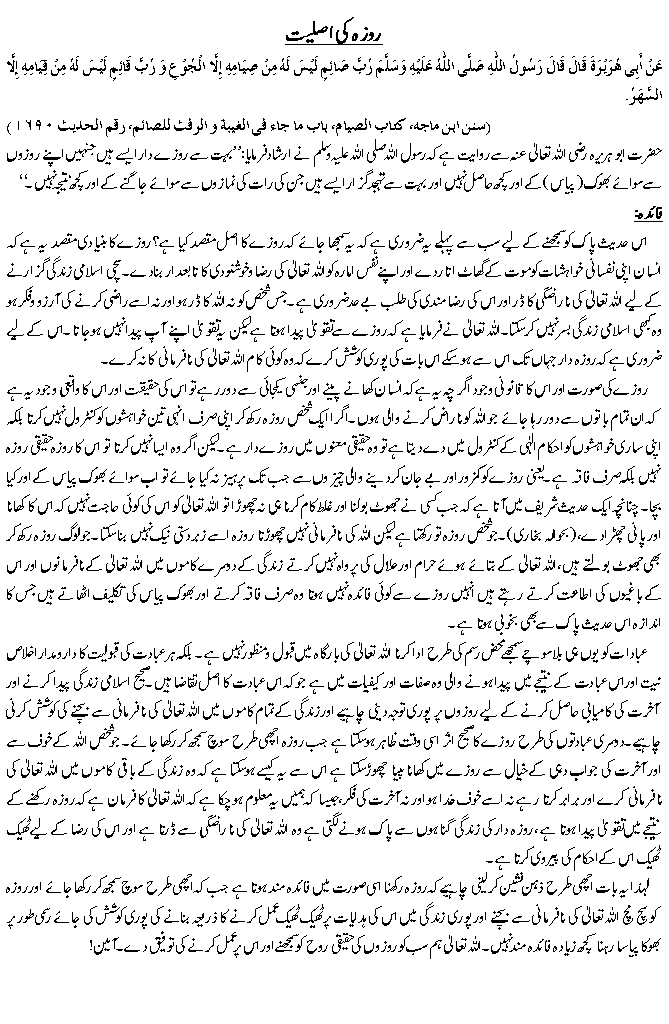
عَنْ اَبِیْ هُرَیْرَةَ قَالَ قَالَ رَسُوْلُ اللهِ صَلَّی اللهُ عَلَیْهِ وَسَلَّمَ رُبَّ صَائِمٍ لَیْسَ لَهُ مِنْ صِیَامِهِ اِلَّا الْجُوْعُ وَ رُبَّ قَائِمٍ لَیْسَ لَهُ مِنْ قِیَامِهِ اِلَّا السَّهَرُ.
حضرت ابو ہریرہ رضی اللہ تعالیٰ عنہ سے روایت ہے کہ رسول اللہ صلی اللہ علیہ وسلم نے ارشاد فرمایا: ''بہت سے روزے دار ایسے ہیں جنہیں اپنے روزوں سے سوائے بھوک (پیاس) کے اور کچھ حاصل نہیں اور بہت سے تہجد گزار ایسے ہیں جن کی رات کی نمازوں سے سوائے جاگنے کے اور کچھ نتیجہ نہیں۔'' ((سنن ابن ماجہ، کتاب الصیام، باب ما جاء فی الغیبۃ و الرفث للصائم، رقم الحدیث ۱۶۹۰))
اس حدیث پاک کو سمجھنے کے لیے سب سے پہلے یہ ضروری ہے کہ یہ سمجھا جائے کہ روزے کا اصل مقصد کیا ہے؟ روزے کا بنیادی مقصد یہ ہے کہ انسان اپنی نفسانی خواہشات کو موت کے گھاٹ اتار دے اور اپنے نفس امارہ کو اللہ تعالیٰ کی رضا و خوشنودی کا تابعدار بنا دے۔ سچی اسلامی زندگی گزارنے کے لیے اللہ تعالیٰ کی ناراضگی کا ڈر اور اس کی رضامندی کی طلب بے حد ضروری ہے۔ جس شخص کو نہ اللہ کا ڈر ہو اور نہ اسے راضی کرنے کی آرزو و فکر ہو وہ کبھی اسلامی زندگی بسر نہیں کر سکتا۔ اللہ تعالیٰ نے فرمایا ہے کہ روزے سے تقویٰ پیدا ہوتا ہے لیکن یہ تقویٰ اپنے آپ پیدا نہیں ہو جاتا۔ اس کے لیے ضروری ہے کہ روزہ دار جہاں تک اس سے ہو سکے اس بات کی پوری کوشش کرے کہ وہ کوئی کام اللہ تعالیٰ کی نافرمانی کا نہ کرے۔
روزے کی صورت اور اس کا قانونی وجود اگر چہ یہ ہے کہ انسان کھانے پینے اور جنسی یکجائی سے دور رہے تو اس کی حقیقت اور اس کا واقعی وجود یہ ہے کہ ان تمام باتوں سے دور رہا جائے جو اللہ کو نا راض کرنے والی ہوں۔ اگر ایک شخص روزہ رکھ کر اپنی صرف انہی تین خواہشوں کو کنٹرول نہیں کرتا بلکہ اپنی ساری خواہشوں کو احکام الٰہی کے کنٹرول میں دے دیتا ہے تو وہ حقیقی معنوں میں روزے دار ہے۔ لیکن اگر وہ ایسا نہیں کرتا تو اس کا روزہ حقیقی روزہ نہیں بلکہ صرف فاقہ ہے۔ یعنی روزے کو کمزور اور بے جان کر دینے والی چیز سے جب تک پرہیز نہ کیا جائے تو اب سوائے بھوک پیاس کے اور کیا بچا۔ چنانچہ ایک حدیث شریف میں آتا ہے کہ جب کسی نے جھوٹ بولنا اور غلط کام کرنا ہی نہ چھوڑا تو اللہ تعالیٰ کو اس کی کوئی حاجت نہیں کہ اس کا کھانا اور پانی چھڑا دے، (بحوالہ بخاری)۔ جو شخص روزہ تو رکھتا ہے لیکن اللہ کی نافرمانی نہیں چھوڑتا روزہ اسے زبردستی نیک نہیں بنا سکتا۔ جو لوگ روزہ رکھ کر بھی جھوٹ بولتے ہیں، اللہ تعالیٰ کے بتائے ہوئے حرام اور حلال کی پرواہ نہیں کرتے زندگی کے دوسرے کاموں میں اللہ تعالیٰ کے نافرمانوں اور اس کے باغیوں کی اطاعت کرتے رہتے ہیں تو انہیں روزے سے کوئی فائدہ نہیں ہوتا وہ صرف فاقہ کرتے اور بھوک پیاس کی تکلیف اٹھاتے ہیں جس کا اندازہ اس حدیث پاک سے بھی بخوبی ہوتا ہے۔
عبادات کو یوں ہی بلا سوچے سمجھے محض رسم کی طرح ادا کرنا اللہ تعالیٰ کی بارگاہ میں قبول و منظور نہیں ہے۔ بلکہ ہر عبادت کی قبولیت کا دارومدار اخلاص نیت اور اس عبادت کے نتیجے میں پیدا ہونے والی وہ صفات اور کیفیات میں ہے کہ جو کہ اس عبادت کا اصل تقاضا ہیں۔ سچی اسلامی زندگی پیدا کرنے اور آخرت کی کامیابی حاصل کرنے کے لیے روزوں پر پوری توجہ دینی چاہیے اور زندگی کے تمام کاموں میں اللہ تعالیٰ کی نافرمانی سے بچنے کی کوشش کرنی چاہیے۔ دوسری عبادتوں کی طرح روزے کا صحیح اثر اسی وقت ظاہر ہو سکتا ہے جب روزہ اچھی طرح سوچ سمجھ کر رکھا جائے۔ جو شخص اللہ کے خوف سے اور آخرت کی جواب دہی کے خیال سے روزے میں کھانا پینا چھوڑ سکتا ہے اس سے یہ کیسے ہو سکتا ہے کہ وہ زندگی کے باقی کاموں میں اللہ تعالیٰ کی نافرمانی کرے اور بار بار کرتا رہے نہ اسے خوف خدا ہو اور نہ آخرت کی فکر ہو۔ جیسا کہ ہمیں یہ معلوم ہو چکا ہے کہ اللہ تعالیٰ کا فرمان ہے کہ روزہ رکھنے کے نتیجے میں تقویٰ پیدا ہوتا ہے، روزہ دار کی زندگی گناہوں سے پاک ہونے لگتی ہے وہ اللہ تعالیٰ کی ناراضگی سے ڈرتا ہے اور اس کی رضا کے لیے ٹھیک ٹھیک اس کے احکام کی پیروی کرتا ہے۔
لہٰذا یہ بات اچھی طرح ذہن نشین کر لینی چاہیے کہ روزہ رکھنا اسی صورت میں فائدہ مند ہوتا ہے جب کہ اچھی طرح سوچ سمجھ کر رکھا جائے اور روزہ کو سچ سچ اللہ تعالیٰ کی نافرمانی سے بچنے اور پوری زندگی میں اس کی ہدایات پر ٹھیک عمل کرنے کا ذریعہ بنانے کی پوری کوشش کی جائے۔ رسمی طور پر بھوکا پیاسا رہنا کچھ زیادہ فائدہ مند نہیں۔ اللہ تعالیٰ ہم سب کو روزوں کی حقیقی روح کو سمجھنے اور اس پر عمل کرنے کی توفیق دے۔ آمین!
روزے کی صورت اور اس کا قانونی وجود اگر چہ یہ ہے کہ انسان کھانے پینے اور جنسی یکجائی سے دور رہے تو اس کی حقیقت اور اس کا واقعی وجود یہ ہے کہ ان تمام باتوں سے دور رہا جائے جو اللہ کو نا راض کرنے والی ہوں۔ اگر ایک شخص روزہ رکھ کر اپنی صرف انہی تین خواہشوں کو کنٹرول نہیں کرتا بلکہ اپنی ساری خواہشوں کو احکام الٰہی کے کنٹرول میں دے دیتا ہے تو وہ حقیقی معنوں میں روزے دار ہے۔ لیکن اگر وہ ایسا نہیں کرتا تو اس کا روزہ حقیقی روزہ نہیں بلکہ صرف فاقہ ہے۔ یعنی روزے کو کمزور اور بے جان کر دینے والی چیز سے جب تک پرہیز نہ کیا جائے تو اب سوائے بھوک پیاس کے اور کیا بچا۔ چنانچہ ایک حدیث شریف میں آتا ہے کہ جب کسی نے جھوٹ بولنا اور غلط کام کرنا ہی نہ چھوڑا تو اللہ تعالیٰ کو اس کی کوئی حاجت نہیں کہ اس کا کھانا اور پانی چھڑا دے، (بحوالہ بخاری)۔ جو شخص روزہ تو رکھتا ہے لیکن اللہ کی نافرمانی نہیں چھوڑتا روزہ اسے زبردستی نیک نہیں بنا سکتا۔ جو لوگ روزہ رکھ کر بھی جھوٹ بولتے ہیں، اللہ تعالیٰ کے بتائے ہوئے حرام اور حلال کی پرواہ نہیں کرتے زندگی کے دوسرے کاموں میں اللہ تعالیٰ کے نافرمانوں اور اس کے باغیوں کی اطاعت کرتے رہتے ہیں تو انہیں روزے سے کوئی فائدہ نہیں ہوتا وہ صرف فاقہ کرتے اور بھوک پیاس کی تکلیف اٹھاتے ہیں جس کا اندازہ اس حدیث پاک سے بھی بخوبی ہوتا ہے۔
عبادات کو یوں ہی بلا سوچے سمجھے محض رسم کی طرح ادا کرنا اللہ تعالیٰ کی بارگاہ میں قبول و منظور نہیں ہے۔ بلکہ ہر عبادت کی قبولیت کا دارومدار اخلاص نیت اور اس عبادت کے نتیجے میں پیدا ہونے والی وہ صفات اور کیفیات میں ہے کہ جو کہ اس عبادت کا اصل تقاضا ہیں۔ سچی اسلامی زندگی پیدا کرنے اور آخرت کی کامیابی حاصل کرنے کے لیے روزوں پر پوری توجہ دینی چاہیے اور زندگی کے تمام کاموں میں اللہ تعالیٰ کی نافرمانی سے بچنے کی کوشش کرنی چاہیے۔ دوسری عبادتوں کی طرح روزے کا صحیح اثر اسی وقت ظاہر ہو سکتا ہے جب روزہ اچھی طرح سوچ سمجھ کر رکھا جائے۔ جو شخص اللہ کے خوف سے اور آخرت کی جواب دہی کے خیال سے روزے میں کھانا پینا چھوڑ سکتا ہے اس سے یہ کیسے ہو سکتا ہے کہ وہ زندگی کے باقی کاموں میں اللہ تعالیٰ کی نافرمانی کرے اور بار بار کرتا رہے نہ اسے خوف خدا ہو اور نہ آخرت کی فکر ہو۔ جیسا کہ ہمیں یہ معلوم ہو چکا ہے کہ اللہ تعالیٰ کا فرمان ہے کہ روزہ رکھنے کے نتیجے میں تقویٰ پیدا ہوتا ہے، روزہ دار کی زندگی گناہوں سے پاک ہونے لگتی ہے وہ اللہ تعالیٰ کی ناراضگی سے ڈرتا ہے اور اس کی رضا کے لیے ٹھیک ٹھیک اس کے احکام کی پیروی کرتا ہے۔
لہٰذا یہ بات اچھی طرح ذہن نشین کر لینی چاہیے کہ روزہ رکھنا اسی صورت میں فائدہ مند ہوتا ہے جب کہ اچھی طرح سوچ سمجھ کر رکھا جائے اور روزہ کو سچ سچ اللہ تعالیٰ کی نافرمانی سے بچنے اور پوری زندگی میں اس کی ہدایات پر ٹھیک عمل کرنے کا ذریعہ بنانے کی پوری کوشش کی جائے۔ رسمی طور پر بھوکا پیاسا رہنا کچھ زیادہ فائدہ مند نہیں۔ اللہ تعالیٰ ہم سب کو روزوں کی حقیقی روح کو سمجھنے اور اس پر عمل کرنے کی توفیق دے۔ آمین!
English translation
Abu Hurayrah (may Allah be pleased with him) reported that the Messenger of Allah (peace be upon him) said: "Many a person who fasts gains nothing from his fasting except hunger (and thirst), and many a person who stands in night prayer gains nothing from his standing except sleeplessness."
To understand this noble hadith, one must first grasp what the real purpose of fasting is. The basic aim of fasting is that a person should put his carnal desires to death and make his commanding self (nafs) obedient to the pleasure and good will of Allah. To live a truly Islamic life it is absolutely essential to fear Allah's displeasure and to seek His pleasure. Whoever has neither the fear of Allah nor any longing and concern to please Him can never live an Islamic life. Allah has said that taqwa (God-consciousness) is produced through fasting, but this taqwa does not come about by itself. For that the one who fasts must, as far as he is able, make every effort not to do anything that is disobedience to Allah.
Though the outward form and legal reality of fasting is that a person abstains from eating, drinking and sexual relations, its true and real substance is that one keeps away from all those things that displease Allah. If a person, while fasting, does not merely control these three desires but hands over all his desires to the control of the divine commands, then he is truly a keeper of the fast. But if he does not do this, then his fast is not a real fast but merely starvation. That is, until one abstains from that which weakens and drains the fast, what remains except hunger and thirst? Thus it comes in a noble hadith that when someone does not give up lying and doing wrong, then Allah has no need that he should give up his food and drink (reported by Bukhari). One who keeps the fast but does not give up disobedience to Allah cannot be made righteous by the fast by force. Those who fast yet still lie, who care nothing for the lawful and unlawful that Allah has laid down, and who in the other affairs of life keep obeying those who are disobedient and rebellious against Allah, gain no benefit from their fasting; they only starve and bear the pain of hunger and thirst, as is well understood from this noble hadith.
To perform acts of worship thoughtlessly, merely as a custom, is not accepted and approved in the court of Allah. Rather, the acceptance of every act of worship depends on sincerity of intention and on those qualities and states produced as a result of that worship which are the real object of it. To create a true Islamic life and to attain success in the Hereafter, one should give full attention to the fasts and try to avoid disobedience to Allah in all the affairs of life. Like other acts of worship, the true effect of fasting can appear only when the fast is kept with proper thought and understanding. How can it be that a person who, out of the fear of Allah and mindful of the accountability of the Hereafter, can give up eating and drinking in the fast, should in the rest of the affairs of life disobey Allah and keep doing so again and again, fearing neither God nor the Hereafter? As we have already learned, it is Allah's declaration that as a result of keeping the fast taqwa is produced; the life of the one who fasts begins to be cleansed of sins, he fears Allah's displeasure, and for His pleasure he follows His commands exactly.
So this point should be well fixed in the mind, that keeping the fast is beneficial only when it is kept with proper thought and understanding, and every effort is made to make the fast a means of truly avoiding disobedience to Allah and of acting correctly upon His guidance throughout life. Merely remaining hungry and thirsty as a formality is not of much benefit. May Allah grant us all the ability to understand the true spirit of the fasts and to act upon it. Ameen!
To understand this noble hadith, one must first grasp what the real purpose of fasting is. The basic aim of fasting is that a person should put his carnal desires to death and make his commanding self (nafs) obedient to the pleasure and good will of Allah. To live a truly Islamic life it is absolutely essential to fear Allah's displeasure and to seek His pleasure. Whoever has neither the fear of Allah nor any longing and concern to please Him can never live an Islamic life. Allah has said that taqwa (God-consciousness) is produced through fasting, but this taqwa does not come about by itself. For that the one who fasts must, as far as he is able, make every effort not to do anything that is disobedience to Allah.
Though the outward form and legal reality of fasting is that a person abstains from eating, drinking and sexual relations, its true and real substance is that one keeps away from all those things that displease Allah. If a person, while fasting, does not merely control these three desires but hands over all his desires to the control of the divine commands, then he is truly a keeper of the fast. But if he does not do this, then his fast is not a real fast but merely starvation. That is, until one abstains from that which weakens and drains the fast, what remains except hunger and thirst? Thus it comes in a noble hadith that when someone does not give up lying and doing wrong, then Allah has no need that he should give up his food and drink (reported by Bukhari). One who keeps the fast but does not give up disobedience to Allah cannot be made righteous by the fast by force. Those who fast yet still lie, who care nothing for the lawful and unlawful that Allah has laid down, and who in the other affairs of life keep obeying those who are disobedient and rebellious against Allah, gain no benefit from their fasting; they only starve and bear the pain of hunger and thirst, as is well understood from this noble hadith.
To perform acts of worship thoughtlessly, merely as a custom, is not accepted and approved in the court of Allah. Rather, the acceptance of every act of worship depends on sincerity of intention and on those qualities and states produced as a result of that worship which are the real object of it. To create a true Islamic life and to attain success in the Hereafter, one should give full attention to the fasts and try to avoid disobedience to Allah in all the affairs of life. Like other acts of worship, the true effect of fasting can appear only when the fast is kept with proper thought and understanding. How can it be that a person who, out of the fear of Allah and mindful of the accountability of the Hereafter, can give up eating and drinking in the fast, should in the rest of the affairs of life disobey Allah and keep doing so again and again, fearing neither God nor the Hereafter? As we have already learned, it is Allah's declaration that as a result of keeping the fast taqwa is produced; the life of the one who fasts begins to be cleansed of sins, he fears Allah's displeasure, and for His pleasure he follows His commands exactly.
So this point should be well fixed in the mind, that keeping the fast is beneficial only when it is kept with proper thought and understanding, and every effort is made to make the fast a means of truly avoiding disobedience to Allah and of acting correctly upon His guidance throughout life. Merely remaining hungry and thirsty as a formality is not of much benefit. May Allah grant us all the ability to understand the true spirit of the fasts and to act upon it. Ameen!
View original image
https://hadith.ahadees.com/hadees/2410 — Ahadees.com