

اصلاح باطن
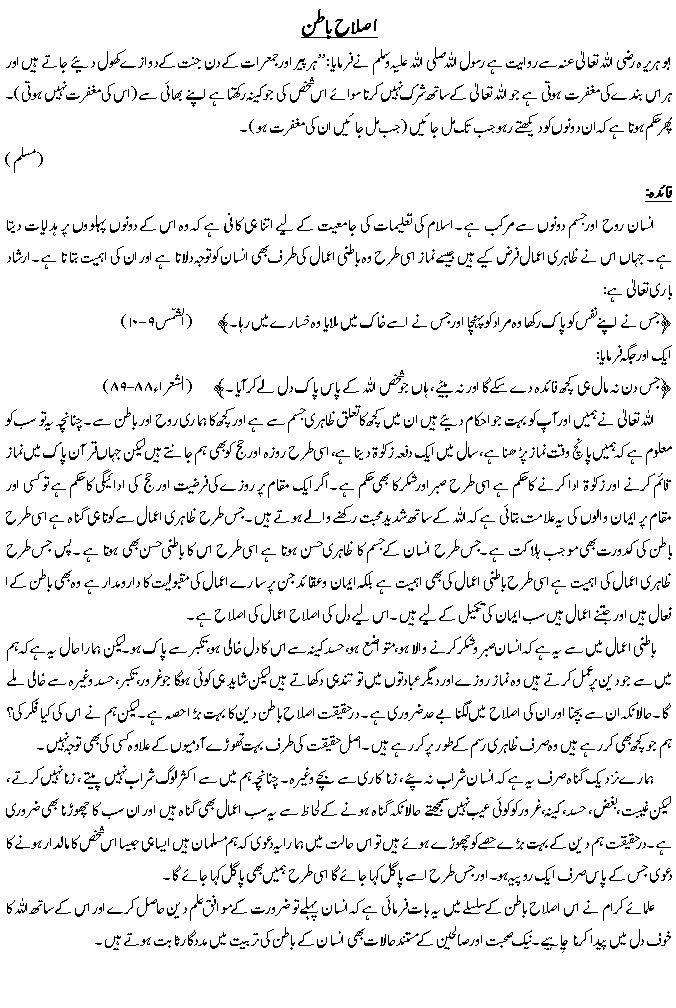
ابوہریرہ رضی اللہ تعالیٰ عنہ سے روایت ہے کہ رسول اللہ صلی اللہ علیہ وسلم نے فرمایا: “ہر پیر اور جمعرات کے دن جنت کے دروازے کھول دیئے جاتے ہیں اور ہر اس بندے کی مغفرت ہوتی ہے جو اللہ تعالیٰ کے ساتھ شرک نہیں کرتا سوائے اس شخص کی جو کینہ رکھتا ہے اپنے بھائی سے (اس کی مغفرت نہیں ہوتی)۔ پھر حکم ہوتا ہے کہ ان دونوں کو دیکھتے رہو جب تک مل جائیں (جب مل جائیں ان کی مغفرت ہو)۔” (مسلم)
انسان روح اور جسم دونوں سے مرکب ہے۔ اسلام کی تعلیمات کی جامعیت کے لیے اتنا ہی کافی ہے کہ وہ اس کے دونوں پہلووں پر ہدایات دیتا ہے۔ جہاں اس نے ظاہری اعمال فرض کیے ہیں جیسے نماز اسی طرح وہ باطنی اعمال کی طرف بھی انسان کو توجہ دلاتا ہے اور ان کی اہمیت بتاتا ہے۔ ارشاد باری تعالیٰ ہے:
﴿جس نے اپنے نفس کو پاک رکھا وہ مراد کو پہنچا اور جس نے اسے خاک میں ملایا وہ خسارے میں رہا۔﴾ (الشمس ۹ـ۱۰)
ایک اور جگہ فرمایا:
﴿جس دن نہ مال ہی کچھ فائدہ دے سکے گا اور نہ بیٹے، ہاں جو شخص اللہ کے پاس پاک دل لے کر آیا۔﴾ (الشعراء ۸۸ـ۸۹)
اللہ تعالیٰ نے ہمیں اور آپ کو بہت جو احکام دیئے ہیں ان میں کچھ کا تعلق ظاہری جسم سے ہے اور کچھ کا ہماری روح اور باطن سے۔ چنانچہ یہ تو سب کو معلوم ہے کہ ہمیں پانچ وقت نماز پڑھنا ہے، سال میں ایک دفعہ زکوٰۃ دینا ہے، اسی طرح روزہ اور حج کو بھی ہم جانتے ہیں لیکن جہاں قرآن پاک میں نماز قائم کرنے اور زکوٰۃ ادا کرنے کا حکم ہے اسی طرح صبر اور شکر کا بھی حکم ہے۔ اگر ایک مقام پر روزے کی فرضیت اور حج کی ادائیگی کا حکم ہے تو کسی اور مقام پر ایمان والوں کی یہ علامت بتائی ہے کہ اللہ کے ساتھ شدید محبت رکھنے والے ہوتے ہیں۔ جس طرح ظاہری اعمال سے کوتاہی گناہ ہے اسی طرح باطن کی کدورت بھی موجب ہلاکت ہے۔ جس طرح انسان کے جسم کا ظاہری حسن ہونا ہے اسی طرح اس کا باطنی حسن بھی ہونا ہے۔ پس جس طرح ظاہری اعمال کی اہمیت ہے اسی طرح باطنی اعمال کی بھی اہمیت ہے بلکہ ایمان و عقائد جن پر سارے اعمال کی مقبولیت کا دارومدار ہے وہ بھی باطن کے افعال میں اور جتنے اعمال ہیں سب ایمان کی تکمیل کے لیے ہیں۔ اس لیے دل کی اصلاح اعمال کی اصلاح ہے۔
باطنی اعمال میں سے یہ ہے کہ انسان صبر و شکر کرنے والا ہو، متواضع ہو، حسد کینہ سے اس کا دل خالی ہو، تکبر سے پاک ہو۔ لیکن ہمارا حال یہ ہے کہ ہم میں سے جو دین پر عمل کرتے ہیں وہ نماز روزے اور دیگر عبادتوں میں تو تندعی دکھاتے ہیں شاید ہی کوئی جو غرور، تکبر، حسد وغیرہ سے خالی ملے گا۔ حالانکہ ان سے بچنا اور ان کی اصلاح میں لگنا بے حد ضروری ہے۔ درحقیقت اصلاح باطن دین کا بہت بڑا حصہ ہے۔ لیکن ہم نے اس کی کیا فکر کی؟ ہم جو کچھ بھی کر رہے ہیں وہ بھی صرف ظاہری رسم کے طور پر کر رہے ہیں۔ اصل حقیقت کی طرف بہت تھوڑے آدمیوں کے علاوہ کسی کی بھی توجہ نہیں۔
ہمارے نزدیک گناہ صرف یہ ہے کہ انسان شراب نہ پیئے، زنا کاری سے بچے وغیرہ۔ چنانچہ ہم میں سے اکثر لوگ شراب نہیں پیتے، زنا نہیں کرتے، لیکن غیبت، بغض، حسد، کینہ، غرور کو کوئی عیب نہیں سمجھتے حالانکہ گناہ ہونے کے لحاظ سے یہ سب اعمال بھی گناہ ہیں اور ان سب کا چھوڑنا بھی ضروری ہے۔ درحقیقت ہم دین کے بہت بڑے حصے کو چھوڑے ہوئے ہیں تو اس حالت میں ہمارا یہ دعوی کہ ہم مسلمان ہیں ایسا ہی جیسا اس شخص کا مالدار ہونے کا دعوی جس کے پاس صرف ایک روپیہ ہو۔ اور جس طرح اسے پاگل کہا جائے گا اسی طرح ہمیں بھی پاگل کہا جائے گا۔
علمائے کرام نے اس اصلاح باطن کے سلسلے میں یہ بات فرمائی ہے کہ انسان پہلے تو ضرورت کے موافق علم دین حاصل کرے اور اس کے ساتھ اللہ کا خوف دل میں پیدا کرنا چاہیے۔ نیک صحبت اور صالحین کے مستند حالات بھی انسان کے باطن کی تربیت میں مددگار ثابت ہوتے ہیں۔
﴿جس نے اپنے نفس کو پاک رکھا وہ مراد کو پہنچا اور جس نے اسے خاک میں ملایا وہ خسارے میں رہا۔﴾ (الشمس ۹ـ۱۰)
ایک اور جگہ فرمایا:
﴿جس دن نہ مال ہی کچھ فائدہ دے سکے گا اور نہ بیٹے، ہاں جو شخص اللہ کے پاس پاک دل لے کر آیا۔﴾ (الشعراء ۸۸ـ۸۹)
اللہ تعالیٰ نے ہمیں اور آپ کو بہت جو احکام دیئے ہیں ان میں کچھ کا تعلق ظاہری جسم سے ہے اور کچھ کا ہماری روح اور باطن سے۔ چنانچہ یہ تو سب کو معلوم ہے کہ ہمیں پانچ وقت نماز پڑھنا ہے، سال میں ایک دفعہ زکوٰۃ دینا ہے، اسی طرح روزہ اور حج کو بھی ہم جانتے ہیں لیکن جہاں قرآن پاک میں نماز قائم کرنے اور زکوٰۃ ادا کرنے کا حکم ہے اسی طرح صبر اور شکر کا بھی حکم ہے۔ اگر ایک مقام پر روزے کی فرضیت اور حج کی ادائیگی کا حکم ہے تو کسی اور مقام پر ایمان والوں کی یہ علامت بتائی ہے کہ اللہ کے ساتھ شدید محبت رکھنے والے ہوتے ہیں۔ جس طرح ظاہری اعمال سے کوتاہی گناہ ہے اسی طرح باطن کی کدورت بھی موجب ہلاکت ہے۔ جس طرح انسان کے جسم کا ظاہری حسن ہونا ہے اسی طرح اس کا باطنی حسن بھی ہونا ہے۔ پس جس طرح ظاہری اعمال کی اہمیت ہے اسی طرح باطنی اعمال کی بھی اہمیت ہے بلکہ ایمان و عقائد جن پر سارے اعمال کی مقبولیت کا دارومدار ہے وہ بھی باطن کے افعال میں اور جتنے اعمال ہیں سب ایمان کی تکمیل کے لیے ہیں۔ اس لیے دل کی اصلاح اعمال کی اصلاح ہے۔
باطنی اعمال میں سے یہ ہے کہ انسان صبر و شکر کرنے والا ہو، متواضع ہو، حسد کینہ سے اس کا دل خالی ہو، تکبر سے پاک ہو۔ لیکن ہمارا حال یہ ہے کہ ہم میں سے جو دین پر عمل کرتے ہیں وہ نماز روزے اور دیگر عبادتوں میں تو تندعی دکھاتے ہیں شاید ہی کوئی جو غرور، تکبر، حسد وغیرہ سے خالی ملے گا۔ حالانکہ ان سے بچنا اور ان کی اصلاح میں لگنا بے حد ضروری ہے۔ درحقیقت اصلاح باطن دین کا بہت بڑا حصہ ہے۔ لیکن ہم نے اس کی کیا فکر کی؟ ہم جو کچھ بھی کر رہے ہیں وہ بھی صرف ظاہری رسم کے طور پر کر رہے ہیں۔ اصل حقیقت کی طرف بہت تھوڑے آدمیوں کے علاوہ کسی کی بھی توجہ نہیں۔
ہمارے نزدیک گناہ صرف یہ ہے کہ انسان شراب نہ پیئے، زنا کاری سے بچے وغیرہ۔ چنانچہ ہم میں سے اکثر لوگ شراب نہیں پیتے، زنا نہیں کرتے، لیکن غیبت، بغض، حسد، کینہ، غرور کو کوئی عیب نہیں سمجھتے حالانکہ گناہ ہونے کے لحاظ سے یہ سب اعمال بھی گناہ ہیں اور ان سب کا چھوڑنا بھی ضروری ہے۔ درحقیقت ہم دین کے بہت بڑے حصے کو چھوڑے ہوئے ہیں تو اس حالت میں ہمارا یہ دعوی کہ ہم مسلمان ہیں ایسا ہی جیسا اس شخص کا مالدار ہونے کا دعوی جس کے پاس صرف ایک روپیہ ہو۔ اور جس طرح اسے پاگل کہا جائے گا اسی طرح ہمیں بھی پاگل کہا جائے گا۔
علمائے کرام نے اس اصلاح باطن کے سلسلے میں یہ بات فرمائی ہے کہ انسان پہلے تو ضرورت کے موافق علم دین حاصل کرے اور اس کے ساتھ اللہ کا خوف دل میں پیدا کرنا چاہیے۔ نیک صحبت اور صالحین کے مستند حالات بھی انسان کے باطن کی تربیت میں مددگار ثابت ہوتے ہیں۔
English translation
Abu Hurayrah (may Allah be pleased with him) narrates that the Messenger of Allah (peace and blessings be upon him) said: “On every Monday and Thursday the gates of Paradise are opened, and every servant who does not associate anything with Allah Almighty is forgiven, except that person who harbours rancour against his brother (he is not forgiven). Then the command is given: keep watching these two until they are reconciled (when they are reconciled, they are forgiven).”
Man is composed of both soul and body. For the comprehensiveness of the teachings of Islam it is enough that it gives guidance on both these aspects of him. Where it has made outward deeds obligatory — such as prayer — in the same way it also draws a person's attention to the inward deeds and explains their importance. The Lord Most High declares:
“He who kept his soul pure attained his desire, and he who dragged it in the dust remained in loss.” (al-Shams 9–10)
In another place He said:
“The day when neither wealth will be of any benefit nor sons — except him who came to Allah with a pure heart.” (al-Shu'ara 88–89)
Of the many commands Allah Almighty has given us and you, some relate to the outward body and some to our soul and inward being. Thus everyone knows that we have to pray five times a day, that once a year we have to give zakat; likewise we know about fasting and Hajj too. But where in the Holy Qur'an there is the command to establish prayer and to pay zakat, in the same way there is also the command of patience and gratitude. If in one place there is the command of the obligation of fasting and the performance of Hajj, in another place this is given as the sign of the believers: that they are those who have an intense love for Allah. Just as falling short in outward deeds is a sin, so too the impurity of the inward being is a cause of ruin. Just as a person's body has an outward beauty, so too he has an inward beauty. So, just as outward deeds have their importance, in the same way inward deeds have their importance too; indeed faith and beliefs, upon which the acceptance of all deeds depends, are themselves among the acts of the inward being, and all the deeds there are exist for the perfecting of faith. Therefore the reform of the heart is the reform of deeds.
Among the inward deeds is this: that a person should be one who is patient and grateful, humble, whose heart is empty of envy and rancour, who is free of arrogance. But our condition is that those of us who do act upon the religion show great diligence in prayer, fasting and other acts of worship, yet hardly one will be found who is free of pride, arrogance, envy and the like — although to guard against these and to apply oneself to their reform is extremely necessary. In truth, the reform of the inward being is a very great part of the religion. But what care have we taken of it? Whatever we are doing, that too we are doing merely as an outward custom. Apart from a very few people, no one gives any attention at all to the real substance.
In our view sin is only this: that a person should not drink wine, should keep away from fornication, and so on. Accordingly most of us do not drink wine and do not commit fornication, but we do not consider backbiting, malice, envy, rancour and pride to be any fault at all — although, in respect of being sins, all these deeds too are sins, and to abandon all of them is likewise necessary. In truth we have abandoned a very great part of the religion; and in such a state our claim that we are Muslims is just like the claim of a man to be wealthy who has only one rupee. And just as he would be called mad, so too we shall be called mad.
The venerable scholars have said this regarding the reform of the inward being: that a person should first acquire, as much as is needed, knowledge of religion, and along with that he should create the fear of Allah in his heart. Good company and the authentic accounts of the righteous also prove helpful in the training of a person's inward being.
Man is composed of both soul and body. For the comprehensiveness of the teachings of Islam it is enough that it gives guidance on both these aspects of him. Where it has made outward deeds obligatory — such as prayer — in the same way it also draws a person's attention to the inward deeds and explains their importance. The Lord Most High declares:
“He who kept his soul pure attained his desire, and he who dragged it in the dust remained in loss.” (al-Shams 9–10)
In another place He said:
“The day when neither wealth will be of any benefit nor sons — except him who came to Allah with a pure heart.” (al-Shu'ara 88–89)
Of the many commands Allah Almighty has given us and you, some relate to the outward body and some to our soul and inward being. Thus everyone knows that we have to pray five times a day, that once a year we have to give zakat; likewise we know about fasting and Hajj too. But where in the Holy Qur'an there is the command to establish prayer and to pay zakat, in the same way there is also the command of patience and gratitude. If in one place there is the command of the obligation of fasting and the performance of Hajj, in another place this is given as the sign of the believers: that they are those who have an intense love for Allah. Just as falling short in outward deeds is a sin, so too the impurity of the inward being is a cause of ruin. Just as a person's body has an outward beauty, so too he has an inward beauty. So, just as outward deeds have their importance, in the same way inward deeds have their importance too; indeed faith and beliefs, upon which the acceptance of all deeds depends, are themselves among the acts of the inward being, and all the deeds there are exist for the perfecting of faith. Therefore the reform of the heart is the reform of deeds.
Among the inward deeds is this: that a person should be one who is patient and grateful, humble, whose heart is empty of envy and rancour, who is free of arrogance. But our condition is that those of us who do act upon the religion show great diligence in prayer, fasting and other acts of worship, yet hardly one will be found who is free of pride, arrogance, envy and the like — although to guard against these and to apply oneself to their reform is extremely necessary. In truth, the reform of the inward being is a very great part of the religion. But what care have we taken of it? Whatever we are doing, that too we are doing merely as an outward custom. Apart from a very few people, no one gives any attention at all to the real substance.
In our view sin is only this: that a person should not drink wine, should keep away from fornication, and so on. Accordingly most of us do not drink wine and do not commit fornication, but we do not consider backbiting, malice, envy, rancour and pride to be any fault at all — although, in respect of being sins, all these deeds too are sins, and to abandon all of them is likewise necessary. In truth we have abandoned a very great part of the religion; and in such a state our claim that we are Muslims is just like the claim of a man to be wealthy who has only one rupee. And just as he would be called mad, so too we shall be called mad.
The venerable scholars have said this regarding the reform of the inward being: that a person should first acquire, as much as is needed, knowledge of religion, and along with that he should create the fear of Allah in his heart. Good company and the authentic accounts of the righteous also prove helpful in the training of a person's inward being.
View original image
#Group25
#Prayer
#Fasting
#Zakat
#Hajj
#Quran
#Knowledge
#Paradise
#Prophet
#Faith
#Patience
#Backbiting
#Gratitude
#Pride
#Envy
#Sin
https://hadith.ahadees.com/hadees/2512 — Ahadees.com