

ہمسائے کے ساتھ اچھا سلوک کرنا
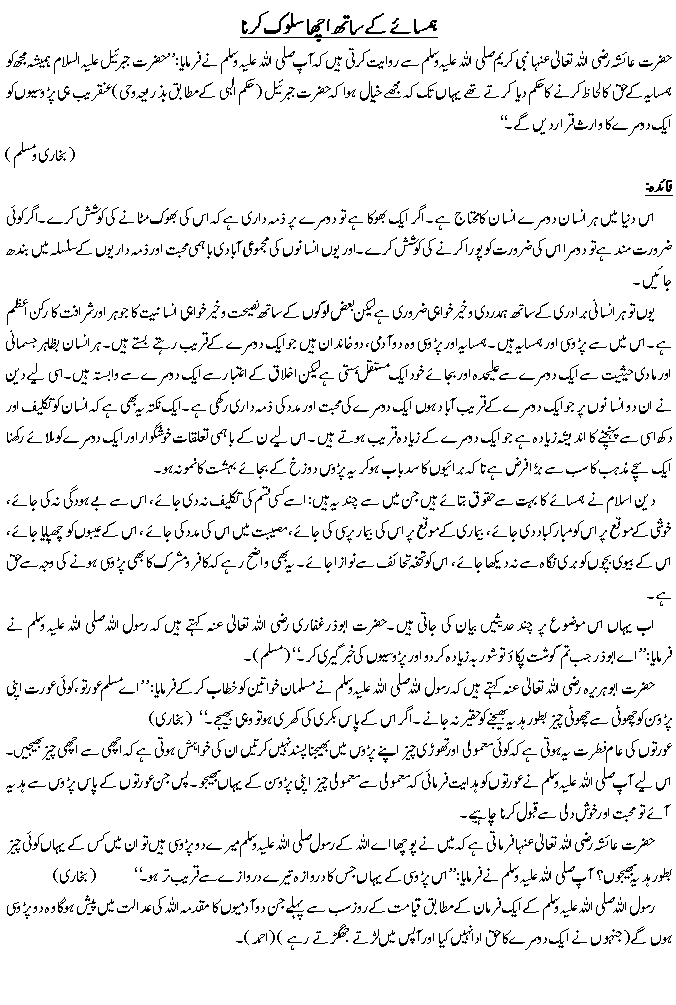
حضرت عائشہ رضی اللہ تعالیٰ عنہا نبی کریم صلی اللہ علیہ وسلم سے روایت کرتی ہیں کہ آپ صلی اللہ علیہ وسلم نے فرمایا: ”حضرت جبرئیل علیہ السلام ہمیشہ مجھ کو ہمسایہ کے حق کا لحاظ کرنے کا حکم دیا کرتے تھے یہاں تک کہ مجھے خیال ہوا کہ حضرت جبرئیل (حکم الٰہی کے مطابق بذریعہ وحی) عنقریب ہی پڑوسیوں کو ایک دوسرے کا وارث قرار دیں گے۔“ (بخاری و مسلم)
اس دنیا میں ہر انسان دوسرے انسان کا محتاج ہے۔ اگر ایک بھوکا ہے تو دوسرے پر ذمہ داری ہے کہ اس کی بھوک مٹانے کی کوشش کرے۔ اگر کوئی ضرورت مند ہے تو دوسرا اس کی ضرورت کو پورا کرنے کی کوشش کرے۔ اور یوں انسانوں کی مجموعی آبادی باہمی محبت اور ذمہ داریوں کے سلسلہ میں بندھ جائیں۔
یوں تو ہر انسانی برادری کے ساتھ ہمدردی و خیر خواہی ضروری ہے لیکن بعض لوگوں کے ساتھ نصیحت و خیر خواہی انسانیت کا جوہر اور شرافت کا رکن اعظم ہے۔ ان میں سے پڑوسی اور ہمسایہ ہیں۔ ہمسایہ اور پڑوسی وہ دو آدمی، دو خاندان ہیں جو ایک دوسرے کے قریب رہتے بستے ہیں۔ ہر انسان بظاہر جسمانی اور مادی حیثیت سے ایک دوسرے سے علیحدہ اور بجائے خود ایک مستقل ہستی ہے لیکن اخلاق کے اعتبار سے ایک دوسرے سے وابستہ ہیں۔ اسی لیے دین نے ان دو انسانوں پر جو ایک دوسرے کے قریب آباد ہوں ایک دوسرے کی محبت اور مدد کی ذمہ داری رکھی ہے۔ ایک نکتہ یہ بھی ہے کہ انسان کو تکلیف اور دکھ اسی سے پہنچنے کا اندیشہ زیادہ ہے جو ایک دوسرے کے زیادہ قریب ہوتے ہیں۔ اس لیے ان کے باہمی تعلقات خوشگوار اور ایک دوسرے کو ملائے رکھنا ایک سچے مذہب کا سب سے بڑا فرض ہے تاکہ برائیوں کا سد باب ہو کر یہ پڑوس دوزخ کے بجائے بہشت کا نمونہ ہو۔
دین اسلام نے ہمسائے کے بہت سے حقوق بتائے ہیں جن میں سے چند یہ ہیں: اسے کسی قسم کی تکلیف نہ دی جائے، اس سے بے ہودگی نہ کی جائے، خوشی کے موقع پر اس کو مبارکباد دی جائے، بیماری کے موقع پر اس کی بیمار پرسی کی جائے، مصیبت میں اس کی مدد کی جائے، اس کے عیبوں کو چھپایا جائے، اس کے بیوی بچوں کو بری نگاہ سے نہ دیکھا جائے، اس کو تحفہ تحائف سے نوازا جائے۔ یہ بھی واضح رہے کہ کافر و مشرک کا بھی پڑوسی ہونے کی وجہ سے حق ہے۔
اب یہاں اس موضوع پر چند حدیثیں بیان کی جاتی ہیں۔ حضرت ابوذر غفاری رضی اللہ تعالیٰ عنہ کہتے ہیں کہ رسول اللہ صلی اللہ علیہ وسلم نے فرمایا: ”اے ابوذر! جب تم گوشت پکاؤ تو شوربہ زیادہ کر دو اور پڑوسیوں کی خبر گیری کر۔“ (مسلم)۔
حضرت ابوہریرہ رضی اللہ تعالیٰ عنہ کہتے ہیں کہ رسول اللہ صلی اللہ علیہ وسلم نے مسلمان خواتین کو خطاب کر کے فرمایا: ”اے مسلم عورتو! کوئی عورت اپنی پڑوسن کو چھوٹی سے چھوٹی چیز بطور ہدیہ بھیجنے کو حقیر نہ جانے۔ اگر اس کے پاس بکری کی کھری ہو تو وہی بھیجے۔“ (بخاری)
عورتوں کی عام فطرت یہ ہوتی ہے کہ کوئی معمولی اور تھوڑی چیز اپنے پڑوس میں بھیجنا پسند نہیں کرتیں، ان کی خواہش ہوتی ہے کہ اچھی سے اچھی چیز بھیجیں۔ اس لیے آپ صلی اللہ علیہ وسلم نے عورتوں کو ہدایت فرمائی کہ معمولی سے معمولی چیز اپنی پڑوسن کے یہاں بھیجو۔ پس جن عورتوں کے پاس پڑوس سے ہدیہ آئے تو محبت اور خوش دلی سے قبول کرنا چاہیے۔
حضرت عائشہ رضی اللہ تعالیٰ عنہا فرماتی ہیں کہ میں نے پوچھا اے اللہ کے رسول صلی اللہ علیہ وسلم میرے دو پڑوسی ہیں تو ان میں کس کے یہاں کوئی چیز بطور ہدیہ بھیجوں؟ آپ صلی اللہ علیہ وسلم نے فرمایا: ”اس پڑوسی کے یہاں جس کا دروازہ تیرے دروازے سے قریب تر ہو۔“ (بخاری)
رسول اللہ صلی اللہ علیہ وسلم کے ایک فرمان کے مطابق قیامت کے روز سب سے پہلے جن دو آدمیوں کا مقدمہ اللہ کی عدالت میں پیش ہوگا وہ دو پڑوسی ہوں گے (جنہوں نے ایک دوسرے کا حق ادا نہیں کیا اور آپس میں لڑتے جھگڑتے رہے) (احمد)۔
یوں تو ہر انسانی برادری کے ساتھ ہمدردی و خیر خواہی ضروری ہے لیکن بعض لوگوں کے ساتھ نصیحت و خیر خواہی انسانیت کا جوہر اور شرافت کا رکن اعظم ہے۔ ان میں سے پڑوسی اور ہمسایہ ہیں۔ ہمسایہ اور پڑوسی وہ دو آدمی، دو خاندان ہیں جو ایک دوسرے کے قریب رہتے بستے ہیں۔ ہر انسان بظاہر جسمانی اور مادی حیثیت سے ایک دوسرے سے علیحدہ اور بجائے خود ایک مستقل ہستی ہے لیکن اخلاق کے اعتبار سے ایک دوسرے سے وابستہ ہیں۔ اسی لیے دین نے ان دو انسانوں پر جو ایک دوسرے کے قریب آباد ہوں ایک دوسرے کی محبت اور مدد کی ذمہ داری رکھی ہے۔ ایک نکتہ یہ بھی ہے کہ انسان کو تکلیف اور دکھ اسی سے پہنچنے کا اندیشہ زیادہ ہے جو ایک دوسرے کے زیادہ قریب ہوتے ہیں۔ اس لیے ان کے باہمی تعلقات خوشگوار اور ایک دوسرے کو ملائے رکھنا ایک سچے مذہب کا سب سے بڑا فرض ہے تاکہ برائیوں کا سد باب ہو کر یہ پڑوس دوزخ کے بجائے بہشت کا نمونہ ہو۔
دین اسلام نے ہمسائے کے بہت سے حقوق بتائے ہیں جن میں سے چند یہ ہیں: اسے کسی قسم کی تکلیف نہ دی جائے، اس سے بے ہودگی نہ کی جائے، خوشی کے موقع پر اس کو مبارکباد دی جائے، بیماری کے موقع پر اس کی بیمار پرسی کی جائے، مصیبت میں اس کی مدد کی جائے، اس کے عیبوں کو چھپایا جائے، اس کے بیوی بچوں کو بری نگاہ سے نہ دیکھا جائے، اس کو تحفہ تحائف سے نوازا جائے۔ یہ بھی واضح رہے کہ کافر و مشرک کا بھی پڑوسی ہونے کی وجہ سے حق ہے۔
اب یہاں اس موضوع پر چند حدیثیں بیان کی جاتی ہیں۔ حضرت ابوذر غفاری رضی اللہ تعالیٰ عنہ کہتے ہیں کہ رسول اللہ صلی اللہ علیہ وسلم نے فرمایا: ”اے ابوذر! جب تم گوشت پکاؤ تو شوربہ زیادہ کر دو اور پڑوسیوں کی خبر گیری کر۔“ (مسلم)۔
حضرت ابوہریرہ رضی اللہ تعالیٰ عنہ کہتے ہیں کہ رسول اللہ صلی اللہ علیہ وسلم نے مسلمان خواتین کو خطاب کر کے فرمایا: ”اے مسلم عورتو! کوئی عورت اپنی پڑوسن کو چھوٹی سے چھوٹی چیز بطور ہدیہ بھیجنے کو حقیر نہ جانے۔ اگر اس کے پاس بکری کی کھری ہو تو وہی بھیجے۔“ (بخاری)
عورتوں کی عام فطرت یہ ہوتی ہے کہ کوئی معمولی اور تھوڑی چیز اپنے پڑوس میں بھیجنا پسند نہیں کرتیں، ان کی خواہش ہوتی ہے کہ اچھی سے اچھی چیز بھیجیں۔ اس لیے آپ صلی اللہ علیہ وسلم نے عورتوں کو ہدایت فرمائی کہ معمولی سے معمولی چیز اپنی پڑوسن کے یہاں بھیجو۔ پس جن عورتوں کے پاس پڑوس سے ہدیہ آئے تو محبت اور خوش دلی سے قبول کرنا چاہیے۔
حضرت عائشہ رضی اللہ تعالیٰ عنہا فرماتی ہیں کہ میں نے پوچھا اے اللہ کے رسول صلی اللہ علیہ وسلم میرے دو پڑوسی ہیں تو ان میں کس کے یہاں کوئی چیز بطور ہدیہ بھیجوں؟ آپ صلی اللہ علیہ وسلم نے فرمایا: ”اس پڑوسی کے یہاں جس کا دروازہ تیرے دروازے سے قریب تر ہو۔“ (بخاری)
رسول اللہ صلی اللہ علیہ وسلم کے ایک فرمان کے مطابق قیامت کے روز سب سے پہلے جن دو آدمیوں کا مقدمہ اللہ کی عدالت میں پیش ہوگا وہ دو پڑوسی ہوں گے (جنہوں نے ایک دوسرے کا حق ادا نہیں کیا اور آپس میں لڑتے جھگڑتے رہے) (احمد)۔
English translation
A’ishah (may Allah be pleased with her) narrated from the Noble Prophet صلى الله عليه وسلم that he said: “Gabriel (peace be upon him) kept on enjoining upon me regard for the right of the neighbour until I thought that Gabriel — in accordance with the divine command, by way of revelation — would soon declare neighbours to be heirs of one another.” (Bukhari and Muslim)
In this world every human being is dependent on another. If one is hungry, it is the responsibility of the other to try to satisfy his hunger. If one is in need, the other should try to fulfil his need. In this way the whole population of mankind is bound together in mutual love and mutual responsibility.
Sympathy and goodwill are of course necessary towards every human community, but with certain people good counsel and goodwill are the very essence of humanity and the greatest pillar of nobility. Among these are the neighbour and the near-dweller. Neighbours are those two people, those two households, that live close to one another. Outwardly, in physical and material terms, every person is separate from the other and a self-standing being in his own right, but in moral terms they are bound to one another. This is why the religion has placed upon these two people who dwell close to one another the responsibility of love for and help of one another. There is also this point: that a person is more likely to suffer hurt and harm from those who are closest to him. For this reason, keeping their mutual relations pleasant and keeping them joined to one another is the foremost duty of a true religion, so that evils are blocked and this neighbourhood becomes a specimen of Paradise rather than of Hell.
The religion of Islam has stated many rights of the neighbour, a few of which are these: that he should not be given trouble of any kind; that no indecency should be shown towards him; that he should be congratulated on an occasion of joy; that he should be visited and cared for in illness; that he should be helped in calamity; that his faults should be concealed; that his wife and children should not be looked at with an evil eye; that he should be favoured with gifts and presents. Let it also be clear that even a disbeliever or idolater has a right by virtue of being a neighbour.
Now a few ahadith on this subject are related here. Abu Dharr al-Ghifari (may Allah be pleased with him) said that the Messenger of Allah صلى الله عليه وسلم said: “O Abu Dharr! When you cook meat, add more broth to it and take care of your neighbours.” (Muslim)
Abu Hurayrah (may Allah be pleased with him) said that the Messenger of Allah صلى الله عليه وسلم addressed the Muslim women and said: “O Muslim women! Let no woman consider it beneath her to send even the smallest thing as a gift to her neighbour. If she has only a goat’s trotter, let her send that.” (Bukhari)
It is generally the nature of women that they do not like to send anything small or trifling to their neighbours; their wish is to send the very best. For this reason the Prophet صلى الله عليه وسلم instructed women to send even the most ordinary thing to the house of their neighbour. And those women who receive a gift from a neighbour should accept it with love and gladness of heart.
A’ishah (may Allah be pleased with her) said: I asked, O Messenger of Allah صلى الله عليه وسلم, I have two neighbours; to which of them should I send something as a gift? The Prophet صلى الله عليه وسلم said: “To the neighbour whose door is nearer to your door.” (Bukhari)
According to another saying of the Messenger of Allah صلى الله عليه وسلم, on the Day of Resurrection the first two men whose case will be brought before the court of Allah will be two neighbours (who did not fulfil each other’s rights and kept quarrelling and disputing with one another). (Ahmad)
In this world every human being is dependent on another. If one is hungry, it is the responsibility of the other to try to satisfy his hunger. If one is in need, the other should try to fulfil his need. In this way the whole population of mankind is bound together in mutual love and mutual responsibility.
Sympathy and goodwill are of course necessary towards every human community, but with certain people good counsel and goodwill are the very essence of humanity and the greatest pillar of nobility. Among these are the neighbour and the near-dweller. Neighbours are those two people, those two households, that live close to one another. Outwardly, in physical and material terms, every person is separate from the other and a self-standing being in his own right, but in moral terms they are bound to one another. This is why the religion has placed upon these two people who dwell close to one another the responsibility of love for and help of one another. There is also this point: that a person is more likely to suffer hurt and harm from those who are closest to him. For this reason, keeping their mutual relations pleasant and keeping them joined to one another is the foremost duty of a true religion, so that evils are blocked and this neighbourhood becomes a specimen of Paradise rather than of Hell.
The religion of Islam has stated many rights of the neighbour, a few of which are these: that he should not be given trouble of any kind; that no indecency should be shown towards him; that he should be congratulated on an occasion of joy; that he should be visited and cared for in illness; that he should be helped in calamity; that his faults should be concealed; that his wife and children should not be looked at with an evil eye; that he should be favoured with gifts and presents. Let it also be clear that even a disbeliever or idolater has a right by virtue of being a neighbour.
Now a few ahadith on this subject are related here. Abu Dharr al-Ghifari (may Allah be pleased with him) said that the Messenger of Allah صلى الله عليه وسلم said: “O Abu Dharr! When you cook meat, add more broth to it and take care of your neighbours.” (Muslim)
Abu Hurayrah (may Allah be pleased with him) said that the Messenger of Allah صلى الله عليه وسلم addressed the Muslim women and said: “O Muslim women! Let no woman consider it beneath her to send even the smallest thing as a gift to her neighbour. If she has only a goat’s trotter, let her send that.” (Bukhari)
It is generally the nature of women that they do not like to send anything small or trifling to their neighbours; their wish is to send the very best. For this reason the Prophet صلى الله عليه وسلم instructed women to send even the most ordinary thing to the house of their neighbour. And those women who receive a gift from a neighbour should accept it with love and gladness of heart.
A’ishah (may Allah be pleased with her) said: I asked, O Messenger of Allah صلى الله عليه وسلم, I have two neighbours; to which of them should I send something as a gift? The Prophet صلى الله عليه وسلم said: “To the neighbour whose door is nearer to your door.” (Bukhari)
According to another saying of the Messenger of Allah صلى الله عليه وسلم, on the Day of Resurrection the first two men whose case will be brought before the court of Allah will be two neighbours (who did not fulfil each other’s rights and kept quarrelling and disputing with one another). (Ahmad)
View original image
https://hadith.ahadees.com/hadees/2520 — Ahadees.com