

جامع نصیحتیں
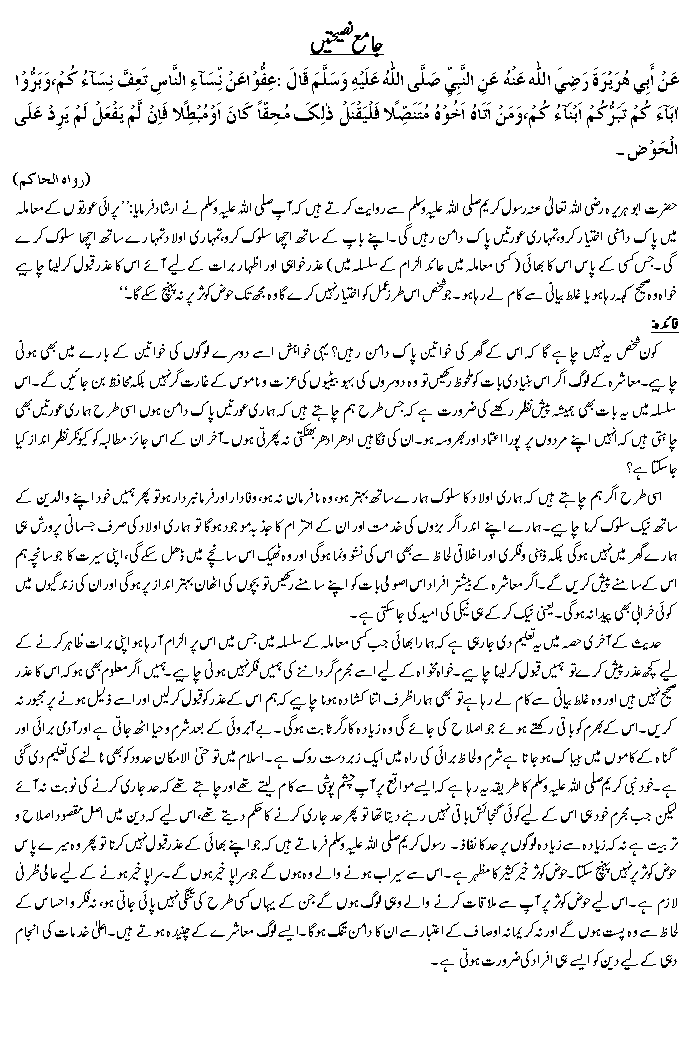
عَنْ أَبِي هُرَيْرَةَ رَضِيَ اللهُ عَنْهُ عَنِ النَّبِيِّ صَلَّى اللهُ عَلَيْهِ وَسَلَّمَ قَالَ: عِفُّوْا عَنْ نِسَآءِ النَّاسِ تَعِفَّ نِسَآءُ كُمْ، وَبَرُّوْا آبَآءَ كُمْ تَبَرُّكُمْ أَبْنَآءُ كُمْ، وَمَنْ أَتَاهُ أَخُوْهُ مُتَنَصِّلًا فَلْيَقْبَلْ ذٰلِكَ مُحِقًّا كَانَ أَوْ مُبْطِلًا فَإِنْ لَّمْ يَفْعَلْ لَمْ يَرِدْ عَلَى الْحَوْضِ
حضرت ابو ہریرہ رضی اللہ تعالیٰ عنہ رسول کریم صلی اللہ علیہ وسلم سے روایت کرتے ہیں کہ آپ صلی اللہ علیہ وسلم نے ارشاد فرمایا: "پرائی عورتوں کے معاملہ میں پاک دامنی اختیار کرو، تمہاری عورتیں پاک دامن رہیں گی۔ اپنے باپ کے ساتھ اچھا سلوک کرو، تمہاری اولاد تمہارے ساتھ اچھا سلوک کرے گی۔ جس کسی کے پاس اس کا بھائی (کسی معاملہ میں عائد الزام کے سلسلہ میں) عذر خواہی اور اظہار برات کے لیے آئے اس کا عذر قبول کر لینا چاہیے خواہ وہ صحیح کہہ رہا ہو یا غلط بیانی سے کام لے رہا ہو۔ جو شخص اس طرز عمل کو اختیار نہیں کرے گا وہ مجھ تک حوض کوثر پر نہ پہنچ سکے گا۔" (مستدرک حاکم)
کون شخص یہ نہیں چاہے گا کہ اس کے گھر کی خواتین پاک دامن رہیں؟ یہی خواہش اسے دوسرے لوگوں کی خواتین کے بارے میں بھی ہونی چاہیے۔ معاشرہ کے لوگ اگر اس بنیادی بات کو ملحوظ رکھیں تو وہ دوسروں کی بہو بیٹیوں کی عزت و ناموس کے غارت گر نہیں بلکہ محافظ بن جائیں گے۔ اس سلسلہ میں یہ بات بھی ہمیشہ پیش نظر رکھنے کی ضرورت ہے کہ جس طرح ہم چاہتے ہیں کہ ہماری عورتیں پاک دامن ہوں اسی طرح ہماری عورتیں بھی چاہتی ہیں کہ انہیں اپنے مردوں پر پورا اعتماد اور بھروسہ ہو۔ ان کی نگاہیں ادھر ادھر بھٹکتی نہ پھرتی ہوں۔ آخر ان کے اس جائز مطالبہ کو کیونکر نظر انداز کیا جا سکتا ہے؟
اسی طرح اگر ہم چاہتے ہیں کہ ہماری اولاد کا سلوک ہمارے ساتھ بہتر ہو، وہ نافرمان نہ ہو، وفادار اور فرمانبردار ہو تو پھر ہمیں خود اپنے والدین کے ساتھ نیک سلوک کرنا چاہیے۔ ہمارے اپنے اندر اگر اپنے بڑوں کی خدمت اور ان کے احترام کا جذبہ موجود ہوگا تو ہماری اولاد کی صرف جسمانی پرورش ہی ہمارے گھر میں نہیں ہوگی بلکہ ذہنی و فکری اور اخلاقی لحاظ سے بھی اس کی نشو و نما ہوگی اور وہ ٹھیک اس سانچے میں ڈھل سکے گی، اپنی سیرت کا جو سانچہ ہم اس کے سامنے پیش کریں گے۔ اگر معاشرے کے بیشتر افراد اس اصولی بات کو اپنے سامنے رکھیں تو بچوں کی اٹھان بہتر انداز پر ہوگی اور ان کی زندگیوں میں کوئی خرابی بھی پیدا نہ ہوگی۔ یعنی نیک کر کے ہی نیکی کی امید کی جا سکتی ہے۔
حدیث کے آخری حصہ میں یہ تعلیم دی جا رہی ہے کہ ہمارا بھائی جب کسی معاملہ کے سلسلہ میں جس میں اس پر الزام آ رہا ہو اپنی برات ظاہر کرنے کے لیے کچھ عذر پیش کرے تو ہمیں قبول کر لینا چاہیے۔ خواہ مخواہ کے لیے اسے مجرم گردانے کی ہمیں فکر نہیں ہونی چاہیے۔ ہمیں اگر معلوم بھی ہو کہ اس کا عذر صحیح نہیں ہیں اور وہ غلط بیانی سے کام لے رہا ہے تو بھی ہمارا ظرف اتنا کشادہ ہونا چاہیے کہ ہم اس کے عذر کو قبول کر لیں اور اسے ذلیل ہونے پر مجبور نہ کریں۔ اس کے بھرم کو باقی رکھتے ہوئے جو اصلاح کی جائے گی وہ زیادہ کارگر ثابت ہوگی۔ بے آبروئی کے بعد شرم و حیا اٹھ جاتی ہے اور آدمی برائی اور گناہ کے کاموں میں بیباک ہو جاتا ہے۔ شرم و لحاظ برائی کی راہ میں ایک زبردست روک ہے۔ اسلام میں تو حتیٰ الامکان حدود کو بھی ٹالنے کی تعلیم دی گئی ہے۔ خود نبی کریم صلی اللہ علیہ وسلم کا طریقہ یہ رہا ہے کہ ایسے مواقع پر آپ چشم پوشی سے کام لیتے تھے اور چاہتے تھے کہ حد جاری کرنے کی نوبت نہ آئے لیکن جب مجرم خود ہی اس کے لیے کوئی گنجائش باقی نہیں رہنے دیتا تھا تو پھر حد جاری کرنے کا حکم دیتے تھے، اس لیے کہ دین میں اصل مقصود اصلاح و تربیت ہے نہ کہ زیادہ سے زیادہ لوگوں پر حد کا نفاذ۔
رسول کریم صلی اللہ علیہ وسلم فرماتے ہیں کہ جو اپنے بھائی کے عذر قبول نہیں کرتا تو پھر وہ میرے پاس حوض کوثر پر نہیں پہنچ سکتا۔ حوض کوثر خیر کثیر کا مظہر ہے۔ اس سے سیراب ہونے والے وہ ہوں گے جو سراپا خیر ہوں گے۔ سراپا خیر ہونے کے لیے عالی ظرفی لازم ہے۔ اس لیے حوض کوثر پر آپ سے ملاقات کرنے والے وہی لوگ ہوں گے جن کے یہاں کسی طرح کی تنگی نہیں پائی جاتی ہو، نہ فکر و احساس کے لحاظ سے وہ پست ہوں گے اور نہ کریمانہ اوصاف کے اعتبار سے ان کا دامن تنگ ہوگا۔ ایسے لوگ معاشرے کے چنیدہ ہوتے ہیں۔ عملی خدمات کی انجام دہی کے لیے دین کو ایسے ہی افراد کی ضرورت ہوتی ہے۔
اسی طرح اگر ہم چاہتے ہیں کہ ہماری اولاد کا سلوک ہمارے ساتھ بہتر ہو، وہ نافرمان نہ ہو، وفادار اور فرمانبردار ہو تو پھر ہمیں خود اپنے والدین کے ساتھ نیک سلوک کرنا چاہیے۔ ہمارے اپنے اندر اگر اپنے بڑوں کی خدمت اور ان کے احترام کا جذبہ موجود ہوگا تو ہماری اولاد کی صرف جسمانی پرورش ہی ہمارے گھر میں نہیں ہوگی بلکہ ذہنی و فکری اور اخلاقی لحاظ سے بھی اس کی نشو و نما ہوگی اور وہ ٹھیک اس سانچے میں ڈھل سکے گی، اپنی سیرت کا جو سانچہ ہم اس کے سامنے پیش کریں گے۔ اگر معاشرے کے بیشتر افراد اس اصولی بات کو اپنے سامنے رکھیں تو بچوں کی اٹھان بہتر انداز پر ہوگی اور ان کی زندگیوں میں کوئی خرابی بھی پیدا نہ ہوگی۔ یعنی نیک کر کے ہی نیکی کی امید کی جا سکتی ہے۔
حدیث کے آخری حصہ میں یہ تعلیم دی جا رہی ہے کہ ہمارا بھائی جب کسی معاملہ کے سلسلہ میں جس میں اس پر الزام آ رہا ہو اپنی برات ظاہر کرنے کے لیے کچھ عذر پیش کرے تو ہمیں قبول کر لینا چاہیے۔ خواہ مخواہ کے لیے اسے مجرم گردانے کی ہمیں فکر نہیں ہونی چاہیے۔ ہمیں اگر معلوم بھی ہو کہ اس کا عذر صحیح نہیں ہیں اور وہ غلط بیانی سے کام لے رہا ہے تو بھی ہمارا ظرف اتنا کشادہ ہونا چاہیے کہ ہم اس کے عذر کو قبول کر لیں اور اسے ذلیل ہونے پر مجبور نہ کریں۔ اس کے بھرم کو باقی رکھتے ہوئے جو اصلاح کی جائے گی وہ زیادہ کارگر ثابت ہوگی۔ بے آبروئی کے بعد شرم و حیا اٹھ جاتی ہے اور آدمی برائی اور گناہ کے کاموں میں بیباک ہو جاتا ہے۔ شرم و لحاظ برائی کی راہ میں ایک زبردست روک ہے۔ اسلام میں تو حتیٰ الامکان حدود کو بھی ٹالنے کی تعلیم دی گئی ہے۔ خود نبی کریم صلی اللہ علیہ وسلم کا طریقہ یہ رہا ہے کہ ایسے مواقع پر آپ چشم پوشی سے کام لیتے تھے اور چاہتے تھے کہ حد جاری کرنے کی نوبت نہ آئے لیکن جب مجرم خود ہی اس کے لیے کوئی گنجائش باقی نہیں رہنے دیتا تھا تو پھر حد جاری کرنے کا حکم دیتے تھے، اس لیے کہ دین میں اصل مقصود اصلاح و تربیت ہے نہ کہ زیادہ سے زیادہ لوگوں پر حد کا نفاذ۔
رسول کریم صلی اللہ علیہ وسلم فرماتے ہیں کہ جو اپنے بھائی کے عذر قبول نہیں کرتا تو پھر وہ میرے پاس حوض کوثر پر نہیں پہنچ سکتا۔ حوض کوثر خیر کثیر کا مظہر ہے۔ اس سے سیراب ہونے والے وہ ہوں گے جو سراپا خیر ہوں گے۔ سراپا خیر ہونے کے لیے عالی ظرفی لازم ہے۔ اس لیے حوض کوثر پر آپ سے ملاقات کرنے والے وہی لوگ ہوں گے جن کے یہاں کسی طرح کی تنگی نہیں پائی جاتی ہو، نہ فکر و احساس کے لحاظ سے وہ پست ہوں گے اور نہ کریمانہ اوصاف کے اعتبار سے ان کا دامن تنگ ہوگا۔ ایسے لوگ معاشرے کے چنیدہ ہوتے ہیں۔ عملی خدمات کی انجام دہی کے لیے دین کو ایسے ہی افراد کی ضرورت ہوتی ہے۔
English translation
Abu Hurayrah (may Allah be pleased with him) narrates from the Prophet (peace be upon him) that he said: "Be chaste with regard to the women of others, and your own women will remain chaste. Be good to your fathers, and your children will be good to you. And whoever is approached by his brother offering an excuse (to clear himself of a charge laid against him) should accept it, whether he is speaking the truth or speaking falsely. Whoever does not act in this way will not reach me at the Pool (of Kawthar)."
Who would not wish that the women of his household remain chaste? He should wish exactly the same for the women of other people. If the people of a society kept this basic principle in view, they would become the protectors of the honour of others' daughters-in-law and daughters rather than its destroyers. In this connection it is also necessary always to bear in mind that just as we wish our women to be chaste, our women too wish to have complete confidence and trust in their men — that their gaze should not wander here and there. How, after all, can this rightful claim of theirs be disregarded?
Likewise, if we wish our children to treat us well, to be obedient rather than disobedient, loyal and dutiful, then we ourselves must treat our own parents well. If within us there is the spirit of serving our elders and honouring them, then our children will receive in our home not merely physical nurture but also mental, intellectual and moral growth, and they will be moulded exactly in the mould of character that we place before them. If most members of society kept this principle before them, children would be raised in a better manner and no corruption would arise in their lives. That is, only by doing good can good be hoped for.
In the last part of the hadith this teaching is given: when our brother, in connection with some matter in which an accusation is being levelled against him, presents some excuse to clear himself, we should accept it. We should not be concerned with counting him a wrongdoer needlessly. Even if we know that his excuse is not sound and that he is speaking falsely, our capacity should still be broad enough that we accept his excuse and do not force him into humiliation. Correction carried out while preserving a person's dignity proves far more effective. After a person has been disgraced, shame and modesty depart, and he becomes shameless in wrongdoing and sin. Modesty and self-respect are a powerful barrier on the path of evil. Indeed, Islam teaches that even the prescribed punishments should be averted as far as possible. The way of the Prophet (peace be upon him) himself was that on such occasions he would overlook the matter and wish that the occasion for carrying out a prescribed punishment should not arise; but when the offender himself left no room for it, he would then order the punishment to be carried out — because the real aim in religion is reform and training, not the imposition of punishments on as many people as possible.
The Messenger of Allah (peace be upon him) says that whoever does not accept his brother's excuse will not be able to reach him at the Pool of Kawthar. The Pool of Kawthar is the manifestation of abundant good. Those who will drink from it are those who are wholly good. To be wholly good, largeness of heart is essential. Therefore those who will meet him at the Pool of Kawthar will be only such people as have no narrowness in them — neither low in thought and feeling, nor constricted in noble qualities. Such people are the choicest of society. For the carrying out of practical service, it is precisely such people that the religion needs.
Who would not wish that the women of his household remain chaste? He should wish exactly the same for the women of other people. If the people of a society kept this basic principle in view, they would become the protectors of the honour of others' daughters-in-law and daughters rather than its destroyers. In this connection it is also necessary always to bear in mind that just as we wish our women to be chaste, our women too wish to have complete confidence and trust in their men — that their gaze should not wander here and there. How, after all, can this rightful claim of theirs be disregarded?
Likewise, if we wish our children to treat us well, to be obedient rather than disobedient, loyal and dutiful, then we ourselves must treat our own parents well. If within us there is the spirit of serving our elders and honouring them, then our children will receive in our home not merely physical nurture but also mental, intellectual and moral growth, and they will be moulded exactly in the mould of character that we place before them. If most members of society kept this principle before them, children would be raised in a better manner and no corruption would arise in their lives. That is, only by doing good can good be hoped for.
In the last part of the hadith this teaching is given: when our brother, in connection with some matter in which an accusation is being levelled against him, presents some excuse to clear himself, we should accept it. We should not be concerned with counting him a wrongdoer needlessly. Even if we know that his excuse is not sound and that he is speaking falsely, our capacity should still be broad enough that we accept his excuse and do not force him into humiliation. Correction carried out while preserving a person's dignity proves far more effective. After a person has been disgraced, shame and modesty depart, and he becomes shameless in wrongdoing and sin. Modesty and self-respect are a powerful barrier on the path of evil. Indeed, Islam teaches that even the prescribed punishments should be averted as far as possible. The way of the Prophet (peace be upon him) himself was that on such occasions he would overlook the matter and wish that the occasion for carrying out a prescribed punishment should not arise; but when the offender himself left no room for it, he would then order the punishment to be carried out — because the real aim in religion is reform and training, not the imposition of punishments on as many people as possible.
The Messenger of Allah (peace be upon him) says that whoever does not accept his brother's excuse will not be able to reach him at the Pool of Kawthar. The Pool of Kawthar is the manifestation of abundant good. Those who will drink from it are those who are wholly good. To be wholly good, largeness of heart is essential. Therefore those who will meet him at the Pool of Kawthar will be only such people as have no narrowness in them — neither low in thought and feeling, nor constricted in noble qualities. Such people are the choicest of society. For the carrying out of practical service, it is precisely such people that the religion needs.
View original image
https://hadith.ahadees.com/hadees/2714 — Ahadees.com