

تعزیت کا طریقہ
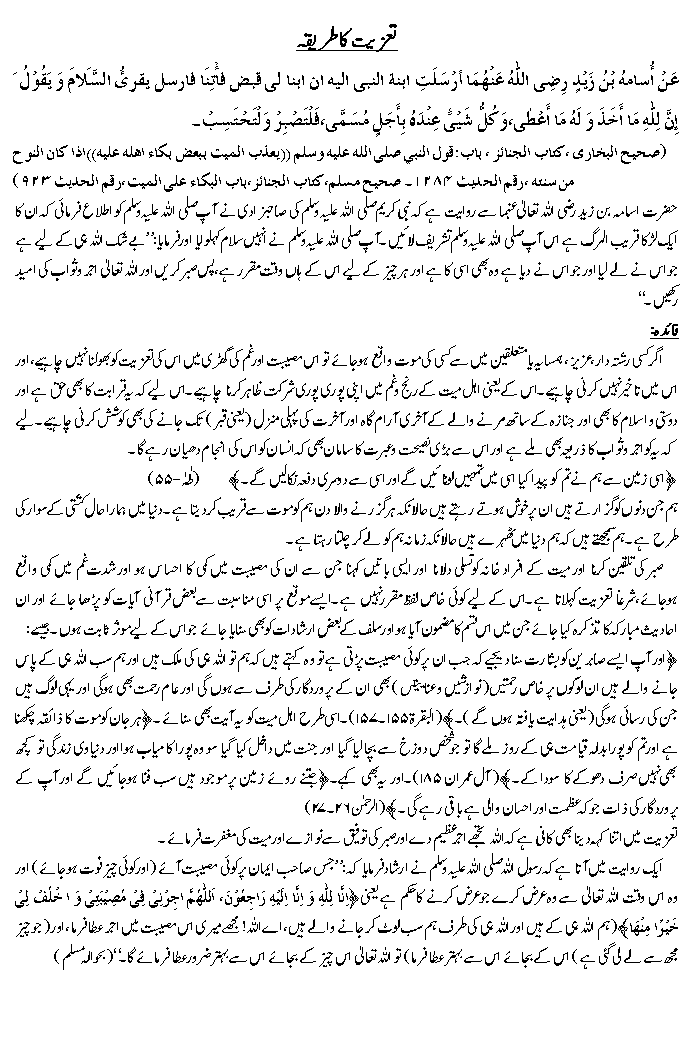
عَنْ أُسَامَهُ بْنُ زَيْدٍ رَضِىَ اللهُ عَنْهُمَا أَرْسَلَتِ ابنة النبى اليه ان ابنا لى قبض فَأْتِنَا فارسل يقرئُ السَّلَامَ وَ يَقُوْلَ إِنَّ لِلّٰهِ مَا أَخَذَ وَ لَهُ مَا أَعْطَى، وَكُلُّ شَيْئٍ عِنْدَهُ بِأَجَلٍ مُسَمًّى، فَلْتَصْبِرْ وَلْتَحْتَسِبْ ـ
حضرت اسامہ بن زید رضی اللہ تعالیٰ عنہما سے روایت ہے کہ نبی کریم صلی اللہ علیہ وسلم کی صاحبزادی نے آپ صلی اللہ علیہ وسلم کو اطلاع فرمائی کہ ان کا ایک لڑکا قریب المرگ ہے اس آپ صلی اللہ علیہ وسلم تشریف لائیں۔ آپ صلی اللہ علیہ وسلم نے انہیں سلام کہلوایا اور فرمایا: ”بے شک اللہ ہی کے لیے ہے جو اس نے لے لیا اور جو اس نے دیا ہے وہ بھی اسی کا ہے اور ہر چیز کے لیے اس کے ہاں وقت مقرر ہے، پس صبر کریں اور اللہ تعالیٰ اجر و ثواب کی امید رکھیں۔“ (صحیح البخاری، کتاب الجنائز، باب: قول النبي صلى الله عليه وسلم ((يعذب الميت ببعض بكاء اهله عليه)) اذا كان النوح من سنته، رقم الحدیث ۱۲۸۴ ـ صحیح مسلم، کتاب الجنائز، باب البکاء علی المیت، رقم الحدیث ۹۲۳)
اگر کسی رشتہ دار، عزیز، ہمسایہ یا متعلقین میں سے کسی کی موت واقع ہو جائے تو اس مصیبت اور غم کی گھڑی میں اس کی تعزیت کو بھولنا نہیں چاہیے، اور اس میں تاخیر نہیں کرنی چاہیے۔ اس کے یعنی اہل میت کے رنج و غم میں اپنی پوری شرکت ظاہر کرنا چاہیے۔ اس لیے کہ یہ قرابت کا بھی حق ہے اور دوستی و اسلام کا بھی اور جنازہ کے ساتھ مرنے والے کے آخری آرام گاہ اور آخرت کی پہلی منزل (یعنی قبر) تک جانے کی بھی کوشش کرنی چاہیے۔ اس لیے کہ یہ اجر و ثواب کا ذریعہ بھی ملے ہے اور اس سے بڑی نصیحت و عبرت کا سامان بھی کہ انسان کو اس کا انجام دھیان رہے گا۔
﴿اسی زمین سے ہم نے تم کو پیدا کیا اسی میں تمہیں لوٹائیں گے اور اسی سے دوسری دفعہ نکالیں گے۔﴾ (طٰہٰ۔۵۵)
ہم جن دنوں کو گزارتے ہیں ان پر خوش ہوتے رہتے ہیں حالانکہ ہر گزرنے والا دن ہم کو موت سے قریب کر دیتا ہے۔ دنیا میں ہمارا حال کشتی کے سوار کی طرح ہے۔ ہم سمجھتے ہیں کہ ہم دنیا میں ٹھہرے میں ہیں حالانکہ زمانہ ہم کو لے کر چلتا رہتا ہے۔
صبر کی تلقین کرنا اور میت کے افراد خانہ کو تسلی دلانا اور ایسی باتیں کہنا جن سے ان کی مصیبت میں کمی کا احساس ہو اور شدتِ غم میں کمی واقع ہو جائے، شرعاً تعزیت کہلاتا ہے۔ اس کے لیے کوئی خاص لفظ مقرر نہیں ہے۔ ایسے موقع پر اسی مناسبت سے بعض قرآنی آیات کو پڑھا جائے اور ان احادیث مبارکہ کا تذکرہ کیا جائے جن میں اس قسم کا مضمون آیا ہو اور سلف کے بعض ارشادات کو بھی سنایا جائے جو اس کے لیے مؤثر ثابت ہوں۔ جیسے:
﴿اور آپ ایسے صابرین کو بشارت سنا دیجیے کہ جب ان پر کوئی مصیبت پڑتی ہے تو وہ کہتے ہیں کہ ہم تو اللہ ہی کی ملک میں اور ہم سب اللہ ہی کے پاس جانے والے میں ان لوگوں پر خاص رحمتیں (نوازشیں و عنایتیں) بھی ان کے پروردگار کی طرف سے ہوں گی اور عام رحمت بھی ہوگی اور یہی لوگ میں جن کی رسائی ہوگی (یعنی ہدایت یافتہ ہوں گے)۔﴾ (البقرۃ ۱۵۵ـ۱۵۷)۔ اسی طرح اہل میت کو یہ آیت بھی سنائے۔ ﴿ہر جان کو موت کا ذائقہ چکھنا ہے اور تم کو پورا بدلہ قیامت ہی کے روز ملے گا تو جو شخص دوزخ سے بچا لیا گیا اور جنت میں داخل کیا گیا سو وہ پورا کامیاب ہوا اور دنیاوی زندگی تو کچھ بھی نہیں صرف دھوکے کا سودا ہے۔﴾ (آل عمران ۱۸۵)۔ اور یہ بھی کہے۔ ﴿جتنے روئے زمین پر موجود ہیں سب فنا ہو جائیں گے اور آپ کے پروردگار کی ذات جو کہ عظمت اور احسان والی ہے باقی رہے گی۔﴾ (الرحمٰن ۲۶ـ۲۷)
تعزیت میں اتنا کہہ دینا بھی کافی ہے کہ اللہ تجھے اجرِ عظیم دے اور صبر کی توفیق سے نوازے اور میت کی مغفرت فرمائے۔
ایک روایت میں آتا ہے کہ رسول اللہ صلی اللہ علیہ وسلم نے ارشاد فرمایا کہ: ”جس صاحب ایمان پر کوئی مصیبت آئے (اور کوئی چیز فوت ہو جائے) اور وہ اس وقت اللہ تعالیٰ سے وہ عرض کرے جو عرض کرنے کا حکم ہے یعنی ﴿اِنَّا لِلّٰهِ وَ اِنَّا اِلَيْهِ رَاجِعُوْنَ، اَللّٰهُمَّ اجُرْنِىْ فِىْ مُصِيْبَتِىْ وَ اخْلُفْ لِىْ خَيْرًا مِنْهَا﴾ (ہم اللہ ہی کے میں اور اللہ ہی کی طرف ہم سب لوٹ کر جانے والے میں، اے اللہ! مجھے میری اس مصیبت میں اجر عطا فرما، اور (جو چیز مجھ سے لے لی گئی ہے) اس کے بجائے اس سے بہتر عطا فرما) تو اللہ تعالیٰ اس چیز کے بجائے اس سے بہتر ضرور عطا فرمائے گا۔“ (بحوالہ مسلم)
﴿اسی زمین سے ہم نے تم کو پیدا کیا اسی میں تمہیں لوٹائیں گے اور اسی سے دوسری دفعہ نکالیں گے۔﴾ (طٰہٰ۔۵۵)
ہم جن دنوں کو گزارتے ہیں ان پر خوش ہوتے رہتے ہیں حالانکہ ہر گزرنے والا دن ہم کو موت سے قریب کر دیتا ہے۔ دنیا میں ہمارا حال کشتی کے سوار کی طرح ہے۔ ہم سمجھتے ہیں کہ ہم دنیا میں ٹھہرے میں ہیں حالانکہ زمانہ ہم کو لے کر چلتا رہتا ہے۔
صبر کی تلقین کرنا اور میت کے افراد خانہ کو تسلی دلانا اور ایسی باتیں کہنا جن سے ان کی مصیبت میں کمی کا احساس ہو اور شدتِ غم میں کمی واقع ہو جائے، شرعاً تعزیت کہلاتا ہے۔ اس کے لیے کوئی خاص لفظ مقرر نہیں ہے۔ ایسے موقع پر اسی مناسبت سے بعض قرآنی آیات کو پڑھا جائے اور ان احادیث مبارکہ کا تذکرہ کیا جائے جن میں اس قسم کا مضمون آیا ہو اور سلف کے بعض ارشادات کو بھی سنایا جائے جو اس کے لیے مؤثر ثابت ہوں۔ جیسے:
﴿اور آپ ایسے صابرین کو بشارت سنا دیجیے کہ جب ان پر کوئی مصیبت پڑتی ہے تو وہ کہتے ہیں کہ ہم تو اللہ ہی کی ملک میں اور ہم سب اللہ ہی کے پاس جانے والے میں ان لوگوں پر خاص رحمتیں (نوازشیں و عنایتیں) بھی ان کے پروردگار کی طرف سے ہوں گی اور عام رحمت بھی ہوگی اور یہی لوگ میں جن کی رسائی ہوگی (یعنی ہدایت یافتہ ہوں گے)۔﴾ (البقرۃ ۱۵۵ـ۱۵۷)۔ اسی طرح اہل میت کو یہ آیت بھی سنائے۔ ﴿ہر جان کو موت کا ذائقہ چکھنا ہے اور تم کو پورا بدلہ قیامت ہی کے روز ملے گا تو جو شخص دوزخ سے بچا لیا گیا اور جنت میں داخل کیا گیا سو وہ پورا کامیاب ہوا اور دنیاوی زندگی تو کچھ بھی نہیں صرف دھوکے کا سودا ہے۔﴾ (آل عمران ۱۸۵)۔ اور یہ بھی کہے۔ ﴿جتنے روئے زمین پر موجود ہیں سب فنا ہو جائیں گے اور آپ کے پروردگار کی ذات جو کہ عظمت اور احسان والی ہے باقی رہے گی۔﴾ (الرحمٰن ۲۶ـ۲۷)
تعزیت میں اتنا کہہ دینا بھی کافی ہے کہ اللہ تجھے اجرِ عظیم دے اور صبر کی توفیق سے نوازے اور میت کی مغفرت فرمائے۔
ایک روایت میں آتا ہے کہ رسول اللہ صلی اللہ علیہ وسلم نے ارشاد فرمایا کہ: ”جس صاحب ایمان پر کوئی مصیبت آئے (اور کوئی چیز فوت ہو جائے) اور وہ اس وقت اللہ تعالیٰ سے وہ عرض کرے جو عرض کرنے کا حکم ہے یعنی ﴿اِنَّا لِلّٰهِ وَ اِنَّا اِلَيْهِ رَاجِعُوْنَ، اَللّٰهُمَّ اجُرْنِىْ فِىْ مُصِيْبَتِىْ وَ اخْلُفْ لِىْ خَيْرًا مِنْهَا﴾ (ہم اللہ ہی کے میں اور اللہ ہی کی طرف ہم سب لوٹ کر جانے والے میں، اے اللہ! مجھے میری اس مصیبت میں اجر عطا فرما، اور (جو چیز مجھ سے لے لی گئی ہے) اس کے بجائے اس سے بہتر عطا فرما) تو اللہ تعالیٰ اس چیز کے بجائے اس سے بہتر ضرور عطا فرمائے گا۔“ (بحوالہ مسلم)
English translation
Usamah ibn Zayd (may Allah be pleased with them both) reported that a daughter of the Prophet (peace be upon him) sent word to him that a son of hers was at the point of death, and that he should come to them. He sent back greetings of peace and the words: “Indeed, to Allah belongs what He has taken and to Him belongs what He has given, and everything with Him has an appointed term; so let her be patient and seek reward.”
If a death occurs among one’s relatives, kin, neighbours or acquaintances, one should not forget to offer condolence in that hour of affliction and grief, nor should one delay it. One should show full participation in the sorrow and grief of the family of the deceased, for this is the right of kinship as well as of friendship and of Islam; and one should also try to go with the funeral to the final resting place of the departed, the first stage of the Hereafter — the grave. In this there is reward, and also a great lesson and admonition, for it keeps a person mindful of his own end.
“From this earth We created you, and into it We shall return you, and from it We shall bring you out a second time.” (Ta-Ha 55)
We rejoice over the days we pass, although every day that passes brings us nearer to death. In this world our state is that of a passenger on a boat: we imagine that we are standing still in the world, whereas time keeps carrying us along.
To urge patience, to console the household of the deceased, and to say such things as lessen their sense of the calamity and reduce the intensity of grief, is what the Shari’ah calls ta’ziyah (condolence). No particular wording has been fixed for it. On such an occasion one may recite verses of the Qur’an suited to the situation, mention the noble ahadith that carry this theme, and relate some sayings of the pious predecessors that will be of comfort to the bereaved. For example:
“And give glad tidings to the patient, who, when a calamity befalls them, say: We belong to Allah and to Him we shall return. Upon them are special blessings (favours and kindnesses) from their Lord, and general mercy too, and it is they who are rightly guided.” (Al-Baqarah 155–157). Likewise, recite this verse to the family of the deceased: “Every soul shall taste death, and you will be paid your recompense in full on the Day of Resurrection. Whoever is saved from the Fire and admitted to Paradise has indeed fully succeeded; and the life of this world is nothing but the merchandise of deception.” (Aal-Imran 185). And say this too: “All who are upon the earth shall perish, and there will remain the Being of your Lord, Possessor of Majesty and Bounty.” (Ar-Rahman 26–27)
In condolence it is enough even to say this much: may Allah grant you a great reward, bless you with the ability to be patient, and forgive the deceased.
It comes in a narration that the Messenger of Allah (peace be upon him) said: “When a calamity befalls a believer (and something is taken from him) and at that moment he says to Allah Most High what he has been commanded to say — namely, ‘Inna lillahi wa inna ilayhi raji‘un, Allahumma’jurni fi musibati wa akhlif li khayran minha’ (We belong to Allah and to Allah we shall all return. O Allah, reward me in this affliction of mine, and give me in place of what has been taken from me something better) — then Allah Most High will surely give him something better in its place.” (Reported by Muslim)
If a death occurs among one’s relatives, kin, neighbours or acquaintances, one should not forget to offer condolence in that hour of affliction and grief, nor should one delay it. One should show full participation in the sorrow and grief of the family of the deceased, for this is the right of kinship as well as of friendship and of Islam; and one should also try to go with the funeral to the final resting place of the departed, the first stage of the Hereafter — the grave. In this there is reward, and also a great lesson and admonition, for it keeps a person mindful of his own end.
“From this earth We created you, and into it We shall return you, and from it We shall bring you out a second time.” (Ta-Ha 55)
We rejoice over the days we pass, although every day that passes brings us nearer to death. In this world our state is that of a passenger on a boat: we imagine that we are standing still in the world, whereas time keeps carrying us along.
To urge patience, to console the household of the deceased, and to say such things as lessen their sense of the calamity and reduce the intensity of grief, is what the Shari’ah calls ta’ziyah (condolence). No particular wording has been fixed for it. On such an occasion one may recite verses of the Qur’an suited to the situation, mention the noble ahadith that carry this theme, and relate some sayings of the pious predecessors that will be of comfort to the bereaved. For example:
“And give glad tidings to the patient, who, when a calamity befalls them, say: We belong to Allah and to Him we shall return. Upon them are special blessings (favours and kindnesses) from their Lord, and general mercy too, and it is they who are rightly guided.” (Al-Baqarah 155–157). Likewise, recite this verse to the family of the deceased: “Every soul shall taste death, and you will be paid your recompense in full on the Day of Resurrection. Whoever is saved from the Fire and admitted to Paradise has indeed fully succeeded; and the life of this world is nothing but the merchandise of deception.” (Aal-Imran 185). And say this too: “All who are upon the earth shall perish, and there will remain the Being of your Lord, Possessor of Majesty and Bounty.” (Ar-Rahman 26–27)
In condolence it is enough even to say this much: may Allah grant you a great reward, bless you with the ability to be patient, and forgive the deceased.
It comes in a narration that the Messenger of Allah (peace be upon him) said: “When a calamity befalls a believer (and something is taken from him) and at that moment he says to Allah Most High what he has been commanded to say — namely, ‘Inna lillahi wa inna ilayhi raji‘un, Allahumma’jurni fi musibati wa akhlif li khayran minha’ (We belong to Allah and to Allah we shall all return. O Allah, reward me in this affliction of mine, and give me in place of what has been taken from me something better) — then Allah Most High will surely give him something better in its place.” (Reported by Muslim)
View original image
#Group28
#Quran
#Paradise
#Hell
#Prophet
#Faith
#Patience
#Neighbour
#Interest
#Death
#Judgement
#Greeting
#Mercy
#Reward
https://hadith.ahadees.com/hadees/2803 — Ahadees.com