

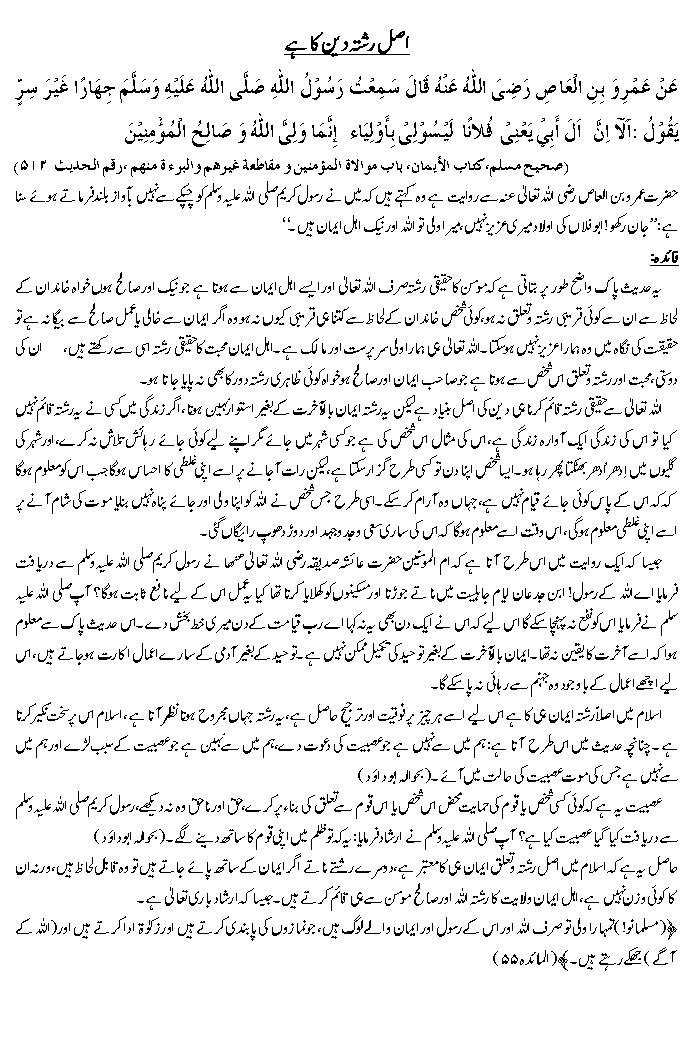
اصل رشتہ دین کا ہے
عَنْ عَمْرِو بِنِ الْعَاصِ رَضِىَ اللهُ عَنْهُ قَالَ سَمِعْتُ رَسُوْلُ اللهِ صَلَّى اللهُ عَلَيْهِ وَسَلَّمَ جِهَارًا غَيْرَ سِرٍّ يَقُوْلُ: اَلَآ اِنَّ اَلَ اَبِيْ يَعْنِىْ فُلَانًا لَيْسُوْلِىْ بِأَوْلِيَاءَ اِنَّمَا وَلِيَّ اللهُ وَ صَالِحُ الْمُؤْمِنِيْنَ
حضرت عمرو بن العاص رضی اللہ تعالیٰ عنہ سے روایت ہے وہ کہتے ہیں کہ میں نے رسول کریم صلی اللہ علیہ وسلم کو چپکے سے نہیں بآواز بلند فرماتے ہوئے سنا ہے: ”جان رکھو! ابو فلاں کی اولاد میری عزیز نہیں، میرا ولی تو اللہ اور نیک اہل ایمان ہیں۔“ (صحیح مسلم، کتاب الأیمان، باب موالاۃ المؤمنین و مقاطعۃ غیرھم و البرءۃ منھم، رقم الحدیث ۵۱۲)
یہ حدیث پاک واضح طور پر یہ بتاتی ہے کہ مومن کا حقیقی رشتہ صرف اللہ تعالیٰ اور ایسے اہل ایمان سے ہونا ہے جو نیک اور صالح ہوں خواہ خاندان کے لحاظ سے ان سے کوئی قربی رشتہ و تعلق نہ ہو، کوئی شخص خاندان کے لحاظ سے کتنا ہی قربی کیوں نہ ہو وہ اگر ایمان سے خالی یا عمل صالح سے بیگانہ ہے تو حقیقت کی نگاہ میں وہ ہمارا عزیز نہیں ہو سکتا۔ اللہ تعالیٰ ہی ہمارا ولی، سرپرست اور مالک ہے۔ اہل ایمان محبت کا حقیقی رشتہ اسی سے رکھتے ہیں، ان کی دوستی، محبت اور رشتہ و تعلق اس شخص سے ہوتا ہے جو صاحب ایمان اور صالح ہو خواہ کوئی ظاہری رشتہ دور کا بھی نہ پایا جاتا ہو۔
اللہ تعالیٰ سے حقیقی رشتہ قائم کرنا دین کی اصل بنیاد ہے لیکن یہ رشتہ ایمان بالآخرت کے بغیر استوار نہیں ہوتا، اگر زندگی میں کسی نے یہ رشتہ قائم نہیں کیا تو اس کی زندگی ایک آوارہ زندگی ہے، اس کی مثال اس شخص کی ہے جو کسی شہر میں جائے مگر اپنے لیے کوئی رہائش تلاش نہ کرے، اور شہر کی گلیوں میں اِدھر اُدھر بھٹکتا پھر رہا ہو۔ ایسا شخص اپنا دن تو کسی طرح گزار سکتا ہے، لیکن رات آ جانے پر اسے اپنی غلطی کا احساس ہوگا جب اس کو معلوم ہوگا کہ اس کے پاس کوئی جائے قیام نہیں ہے، جہاں وہ آرام کر سکے۔ اسی طرح جس شخص نے اللہ کو اپنا ولی اور جائے پناہ نہیں بنایا موت کی شام آنے پر اسے اپنی غلطی معلوم ہوگی، اس وقت اسے معلوم ہوگا کہ اس کی ساری سعی و جہد اور دوڑ دھوپ رائیگاں گئی۔
جیسا کہ ایک روایت میں اس طرح آتا ہے کہ ام المومنین حضرت عائشہ صدیقہ رضی اللہ تعالیٰ عنہا نے رسول کریم صلی اللہ علیہ وسلم سے دریافت فرمایا اے اللہ کے رسول! ابن جدعان ایام جاہلیت میں ناتے جوڑنا اور مسکینوں کو کھلایا کرتا تھا کیا یہ عمل اس کے لیے نافع ثابت ہوگا؟ آپ صلی اللہ علیہ وسلم نے فرمایا اس کو نفع نہ پہنچا سکے گا اس لیے کہ اس نے ایک دن بھی یہ نہ کہا اے رب قیامت کے دن میری خطا بخش دے۔ اس حدیث پاک سے معلوم ہوا کہ اسے آخرت کا یقین نہ تھا۔ ایمان بالآخرت کے بغیر توحید کی تکمیل ممکن نہیں ہے۔ توحید کے بغیر آدمی کے سارے اعمال اکارت ہو جاتے ہیں، اس لیے اچھے اعمال کے باوجود وہ جہنم سے رہائی نہ پا سکے گا۔
اسلام میں اصلاً رشتہ ایمان ہی کا ہے اس لیے اسے ہر چیز پر فوقیت اور ترجیح حاصل ہے، یہ رشتہ جہاں مجروح ہوتا نظر آتا ہے، اسلام اس پر سخت نکیر کرتا ہے۔ چنانچہ حدیث میں اس طرح آتا ہے: ہم میں سے نہیں ہے جو عصبیت کی دعوت دے، ہم میں سے نہیں ہے جو عصبیت کے سبب لڑے اور ہم میں سے نہیں ہے جس کی موت عصبیت کی حالت میں آئے۔ (بحوالہ ابو داؤد)
عصبیت یہ ہے کہ کوئی کسی شخص یا قوم کی حمایت محض اس شخص یا اس قوم سے تعلق کی بناء پر کرے، حق اور ناحق وہ نہ دیکھے، رسول کریم صلی اللہ علیہ وسلم سے دریافت کیا گیا عصبیت کیا ہے؟ آپ صلی اللہ علیہ وسلم نے ارشاد فرمایا: یہ کہ تو ظلم میں اپنی قوم کا ساتھ دینے لگے۔ (بحوالہ ابو داؤد)
حاصل یہ ہے کہ اسلام میں اصل رشتہ و تعلق ایمان ہی کا معتبر ہے، دوسرے ناتے رشتے اگر ایمان کے ساتھ پائے جاتے ہیں تو وہ قابل لحاظ ہیں، ورنہ ان کا کوئی وزن نہیں ہے، اہل ایمان ولایت کا رشتہ اللہ اور صالح مومن سے ہی قائم کرتے ہیں۔ جیسا کہ ارشاد باری تعالیٰ ہے۔
﴿(مسلمانو!) تمہارا ولی تو صرف اللہ اور اس کے رسول اور ایمان والے لوگ ہیں، جو نمازوں کی پابندی کرتے ہیں اور زکوٰۃ ادا کرتے ہیں اور (اللہ کے آگے) جھکے رہتے ہیں۔﴾ (المائدہ ۵۵)
اللہ تعالیٰ سے حقیقی رشتہ قائم کرنا دین کی اصل بنیاد ہے لیکن یہ رشتہ ایمان بالآخرت کے بغیر استوار نہیں ہوتا، اگر زندگی میں کسی نے یہ رشتہ قائم نہیں کیا تو اس کی زندگی ایک آوارہ زندگی ہے، اس کی مثال اس شخص کی ہے جو کسی شہر میں جائے مگر اپنے لیے کوئی رہائش تلاش نہ کرے، اور شہر کی گلیوں میں اِدھر اُدھر بھٹکتا پھر رہا ہو۔ ایسا شخص اپنا دن تو کسی طرح گزار سکتا ہے، لیکن رات آ جانے پر اسے اپنی غلطی کا احساس ہوگا جب اس کو معلوم ہوگا کہ اس کے پاس کوئی جائے قیام نہیں ہے، جہاں وہ آرام کر سکے۔ اسی طرح جس شخص نے اللہ کو اپنا ولی اور جائے پناہ نہیں بنایا موت کی شام آنے پر اسے اپنی غلطی معلوم ہوگی، اس وقت اسے معلوم ہوگا کہ اس کی ساری سعی و جہد اور دوڑ دھوپ رائیگاں گئی۔
جیسا کہ ایک روایت میں اس طرح آتا ہے کہ ام المومنین حضرت عائشہ صدیقہ رضی اللہ تعالیٰ عنہا نے رسول کریم صلی اللہ علیہ وسلم سے دریافت فرمایا اے اللہ کے رسول! ابن جدعان ایام جاہلیت میں ناتے جوڑنا اور مسکینوں کو کھلایا کرتا تھا کیا یہ عمل اس کے لیے نافع ثابت ہوگا؟ آپ صلی اللہ علیہ وسلم نے فرمایا اس کو نفع نہ پہنچا سکے گا اس لیے کہ اس نے ایک دن بھی یہ نہ کہا اے رب قیامت کے دن میری خطا بخش دے۔ اس حدیث پاک سے معلوم ہوا کہ اسے آخرت کا یقین نہ تھا۔ ایمان بالآخرت کے بغیر توحید کی تکمیل ممکن نہیں ہے۔ توحید کے بغیر آدمی کے سارے اعمال اکارت ہو جاتے ہیں، اس لیے اچھے اعمال کے باوجود وہ جہنم سے رہائی نہ پا سکے گا۔
اسلام میں اصلاً رشتہ ایمان ہی کا ہے اس لیے اسے ہر چیز پر فوقیت اور ترجیح حاصل ہے، یہ رشتہ جہاں مجروح ہوتا نظر آتا ہے، اسلام اس پر سخت نکیر کرتا ہے۔ چنانچہ حدیث میں اس طرح آتا ہے: ہم میں سے نہیں ہے جو عصبیت کی دعوت دے، ہم میں سے نہیں ہے جو عصبیت کے سبب لڑے اور ہم میں سے نہیں ہے جس کی موت عصبیت کی حالت میں آئے۔ (بحوالہ ابو داؤد)
عصبیت یہ ہے کہ کوئی کسی شخص یا قوم کی حمایت محض اس شخص یا اس قوم سے تعلق کی بناء پر کرے، حق اور ناحق وہ نہ دیکھے، رسول کریم صلی اللہ علیہ وسلم سے دریافت کیا گیا عصبیت کیا ہے؟ آپ صلی اللہ علیہ وسلم نے ارشاد فرمایا: یہ کہ تو ظلم میں اپنی قوم کا ساتھ دینے لگے۔ (بحوالہ ابو داؤد)
حاصل یہ ہے کہ اسلام میں اصل رشتہ و تعلق ایمان ہی کا معتبر ہے، دوسرے ناتے رشتے اگر ایمان کے ساتھ پائے جاتے ہیں تو وہ قابل لحاظ ہیں، ورنہ ان کا کوئی وزن نہیں ہے، اہل ایمان ولایت کا رشتہ اللہ اور صالح مومن سے ہی قائم کرتے ہیں۔ جیسا کہ ارشاد باری تعالیٰ ہے۔
﴿(مسلمانو!) تمہارا ولی تو صرف اللہ اور اس کے رسول اور ایمان والے لوگ ہیں، جو نمازوں کی پابندی کرتے ہیں اور زکوٰۃ ادا کرتے ہیں اور (اللہ کے آگے) جھکے رہتے ہیں۔﴾ (المائدہ ۵۵)
English translation
Amr ibn al-‘As (may Allah be pleased with him) reported: I heard the Messenger of Allah (peace be upon him) say openly, not in secret: “Listen! The family of so-and-so are not my allies; my ally is only Allah and the righteous believers.”
This noble hadith makes plain that a believer’s true bond is only with Allah Most High and with those people of faith who are pious and righteous, even if there is no close family relationship with them at all. However close a relative someone may be by family, if he is void of faith or a stranger to righteous deeds, then in the eyes of truth he cannot be dear to us. Allah Most High alone is our guardian, protector and master. The people of faith keep the true bond of love with Him; their friendship, love and attachment is to the one who possesses faith and is righteous, even if not the remotest outward kinship is to be found.
To establish a true bond with Allah Most High is the very foundation of religion, but this bond cannot be made firm without faith in the Hereafter. If a person has not established this bond in his life, then his life is an aimless wandering. He is like someone who goes to a city but does not look for a lodging for himself, and roams about the streets of the city instead. Such a person may somehow pass the day, but when night comes he will realise his mistake, when he finds he has nowhere to stay and rest. In the same way, the person who has not made Allah his guardian and refuge will realise his mistake when the evening of death arrives; at that moment he will know that all his striving and effort, all his running about, has gone to waste.
As it comes in a narration, the Mother of the Believers, Sayyidah ‘A’ishah as-Siddiqah (may Allah be pleased with her), asked the Messenger of Allah (peace be upon him): “O Messenger of Allah! Ibn Jud‘an used to maintain ties of kinship and feed the poor in the days of ignorance — will these deeds profit him?” The Prophet (peace be upon him) said that they would not benefit him, because he never once said: ‘O my Lord, forgive my sins on the Day of Resurrection.’ From this noble hadith it is known that he had no conviction in the Hereafter. Faith in the Hereafter cannot be complete without tawhid; and without tawhid all of a person’s deeds are nullified, so despite good deeds he will not be able to gain release from Hell.
In Islam the bond that truly counts is that of faith, and so it takes precedence and preference over everything else. Wherever this bond appears to be injured, Islam condemns it severely. Thus it comes in a hadith: “He is not of us who calls to tribal partisanship; he is not of us who fights out of tribal partisanship; and he is not of us who dies upon tribal partisanship.” (Reported by Abu Dawud)
‘Asabiyyah (partisanship) is that a person should support some individual or people merely on the basis of his connection with that individual or people, without regard to what is right and what is wrong. The Messenger of Allah (peace be upon him) was asked, “What is ‘asabiyyah?” He said: “It is that you support your own people in wrongdoing.” (Reported by Abu Dawud)
The conclusion is that in Islam the bond and attachment that is truly reckoned is that of faith. If other ties and relationships are found together with faith, then they are worthy of regard; otherwise they carry no weight. The people of faith establish the bond of allegiance with Allah and with righteous believers, as Allah Most High has said:
“(O Muslims!) Your guardian is only Allah and His Messenger and those who believe — who are steadfast in prayer and pay zakat and bow down (before Allah).” (Al-Ma’idah 55)
This noble hadith makes plain that a believer’s true bond is only with Allah Most High and with those people of faith who are pious and righteous, even if there is no close family relationship with them at all. However close a relative someone may be by family, if he is void of faith or a stranger to righteous deeds, then in the eyes of truth he cannot be dear to us. Allah Most High alone is our guardian, protector and master. The people of faith keep the true bond of love with Him; their friendship, love and attachment is to the one who possesses faith and is righteous, even if not the remotest outward kinship is to be found.
To establish a true bond with Allah Most High is the very foundation of religion, but this bond cannot be made firm without faith in the Hereafter. If a person has not established this bond in his life, then his life is an aimless wandering. He is like someone who goes to a city but does not look for a lodging for himself, and roams about the streets of the city instead. Such a person may somehow pass the day, but when night comes he will realise his mistake, when he finds he has nowhere to stay and rest. In the same way, the person who has not made Allah his guardian and refuge will realise his mistake when the evening of death arrives; at that moment he will know that all his striving and effort, all his running about, has gone to waste.
As it comes in a narration, the Mother of the Believers, Sayyidah ‘A’ishah as-Siddiqah (may Allah be pleased with her), asked the Messenger of Allah (peace be upon him): “O Messenger of Allah! Ibn Jud‘an used to maintain ties of kinship and feed the poor in the days of ignorance — will these deeds profit him?” The Prophet (peace be upon him) said that they would not benefit him, because he never once said: ‘O my Lord, forgive my sins on the Day of Resurrection.’ From this noble hadith it is known that he had no conviction in the Hereafter. Faith in the Hereafter cannot be complete without tawhid; and without tawhid all of a person’s deeds are nullified, so despite good deeds he will not be able to gain release from Hell.
In Islam the bond that truly counts is that of faith, and so it takes precedence and preference over everything else. Wherever this bond appears to be injured, Islam condemns it severely. Thus it comes in a hadith: “He is not of us who calls to tribal partisanship; he is not of us who fights out of tribal partisanship; and he is not of us who dies upon tribal partisanship.” (Reported by Abu Dawud)
‘Asabiyyah (partisanship) is that a person should support some individual or people merely on the basis of his connection with that individual or people, without regard to what is right and what is wrong. The Messenger of Allah (peace be upon him) was asked, “What is ‘asabiyyah?” He said: “It is that you support your own people in wrongdoing.” (Reported by Abu Dawud)
The conclusion is that in Islam the bond and attachment that is truly reckoned is that of faith. If other ties and relationships are found together with faith, then they are worthy of regard; otherwise they carry no weight. The people of faith establish the bond of allegiance with Allah and with righteous believers, as Allah Most High has said:
“(O Muslims!) Your guardian is only Allah and His Messenger and those who believe — who are steadfast in prayer and pay zakat and bow down (before Allah).” (Al-Ma’idah 55)
View original image
https://hadith.ahadees.com/hadees/2805 — Ahadees.com