

درود شریف کی اہمیت
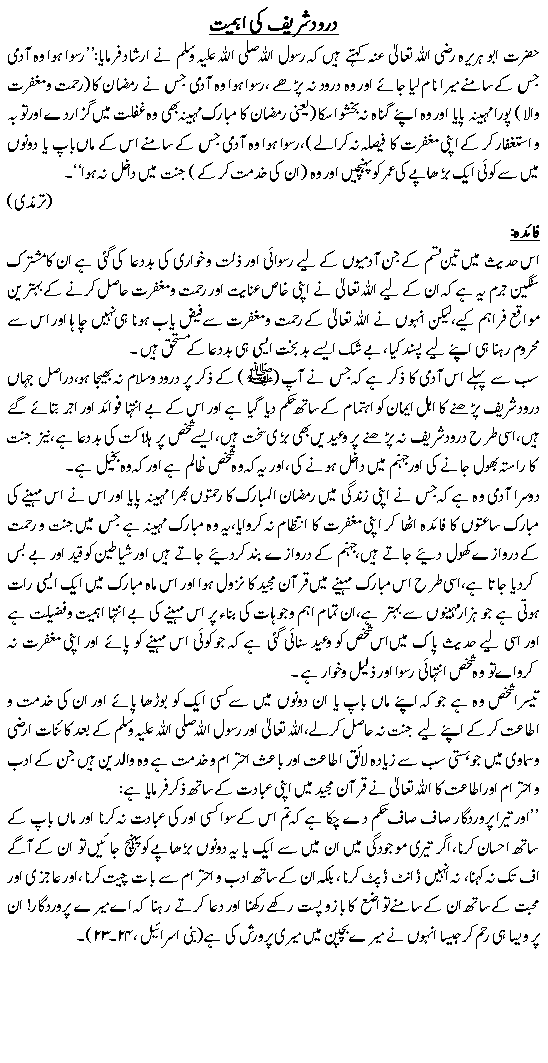
حضرت ابو ہریرہ رضی اللہ تعالیٰ عنہ کہتے ہیں کہ رسول اللہ صلی اللہ علیہ وسلم نے ارشاد فرمایا: ”رسوا ہو وہ آدمی جس کے سامنے میرا نام لیا جائے اور وہ درود نہ پڑھے، رسوا ہو وہ آدمی جس نے رمضان کا (پورا) مہینہ پایا اور وہ اپنے گناہ نہ بخشوا سکا (یعنی رمضان کا مبارک مہینہ بھی وہ غفلت میں گزار دے اور توبہ و استغفار کر کے اپنی مغفرت کا فیصلہ نہ کرا لے)، رسوا ہو وہ آدمی جس کے سامنے اس کے ماں باپ یا دونوں میں سے کوئی ایک بڑھاپے کی عمر کو پہنچیں اور وہ (ان کی خدمت کر کے) جنت میں داخل نہ ہوا“۔ (ترمذی)
اس حدیث میں تین قسم کے جن آدمیوں کے لیے رسوائی اور ذلت و خواری کی بددعا کی گئی ہے ان کا مشترک سنگین جرم یہ ہے کہ ان کے لیے اللہ تعالیٰ نے اپنی خاص عنایت اور رحمت و مغفرت حاصل کرنے کے بہترین مواقع فراہم کیے، لیکن انہوں نے اللہ تعالیٰ کی رحمت و مغفرت سے فیض یاب ہونا ہی نہیں چاہا اور اس سے محروم رہنا ہی اپنے لیے پسند کیا، بے شک ایسے بدبخت ہی بددعا کے مستحق ہیں۔
سب سے پہلے اس آدمی کا ذکر ہے کہ جس نے آپ ﷺ کے ذکر پر درود و سلام نہ بھیجا، دراصل جہاں درود شریف پڑھنے کا اہل ایمان کو اہتمام کے ساتھ حکم دیا گیا ہے اور اس کے بے انتہا فوائد اور اجر بتائے گئے ہیں، اسی طرح درود شریف نہ پڑھنے پر وعیدیں بھی بڑی سخت ہیں، ایسے شخص پر ہلاکت کی بددعا ہے، نیز جنت کا راستہ بھول جانے کی اور جہنم میں داخل ہونے کی، اور یہ کہ وہ شخص ظالم ہے اور کہ وہ بخیل ہے۔
دوسرا آدمی وہ ہے کہ جس نے اپنی زندگی میں رمضان المبارک کا رحمتوں بھرا مہینہ پایا اور اس نے اس مہینے کی مبارک ساعتوں کا فائدہ اٹھا کر اپنی مغفرت کا انتظام نہ کروایا، یہ وہ مبارک مہینہ ہے جس میں جنت و رحمت کے دروازے کھول دیے جاتے ہیں، جہنم کے دروازے بند کر دیے جاتے ہیں اور شیاطین کو قید اور بس کر دیا جاتا ہے، اسی طرح اس مبارک مہینے میں قرآن مجید کا نزول ہوا اور اس ماہ مبارک میں ایک ایسی رات ہوتی ہے جو ہزار مہینوں سے بہتر ہے، ان تمام اہم وجوہات کی بناء پر اس مہینے کی بے انتہا اہمیت و فضیلت ہے اور اسی لیے حدیث پاک میں اس شخص کو وعید سنائی گئی ہے کہ جو کوئی اس مہینے کو پائے اور اپنی مغفرت نہ کروائے تو وہ شخص انتہائی رسوا اور ذلیل و خوار ہے۔
تیسرا شخص وہ ہے کہ جو اپنے ماں باپ یا ان دونوں میں سے کسی ایک کو بوڑھا پائے اور ان کی خدمت و اطاعت کر کے اپنے لیے جنت نہ حاصل کر لے، اللہ تعالیٰ اور رسول اللہ صلی اللہ علیہ وسلم کے بعد کائنات ارضی و سماوی میں جو ہستی سب سے زیادہ لائق اطاعت اور باعث احترام و خدمت ہے وہ والدین ہیں جن کے ادب و احترام اور اطاعت کا اللہ تعالیٰ نے قرآن مجید میں اپنی عبادت کے ساتھ ذکر فرمایا ہے:
”اور تیرا پروردگار صاف صاف حکم دے چکا ہے کہ تم اس کے سوا کسی اور کی عبادت نہ کرنا اور ماں باپ کے ساتھ احسان کرنا، اگر تیری موجودگی میں ان میں سے ایک یا یہ دونوں بڑھاپے کو پہنچ جائیں تو ان کے آگے اف تک نہ کہنا، نہ انہیں ڈانٹ ڈپٹ کرنا، بلکہ ان کے ساتھ ادب و احترام سے بات چیت کرنا، اور عاجزی اور محبت کے ساتھ ان کے سامنے تواضع کا بازو پست رکھنا اور دعا کرتے رہنا کہ اے میرے پروردگار! ان پر ویسا ہی رحم کر جیسا انہوں نے میرے بچپن میں میری پرورش کی ہے“ (بنی اسرائیل، ۲۳ ۔ ۲۴)۔
سب سے پہلے اس آدمی کا ذکر ہے کہ جس نے آپ ﷺ کے ذکر پر درود و سلام نہ بھیجا، دراصل جہاں درود شریف پڑھنے کا اہل ایمان کو اہتمام کے ساتھ حکم دیا گیا ہے اور اس کے بے انتہا فوائد اور اجر بتائے گئے ہیں، اسی طرح درود شریف نہ پڑھنے پر وعیدیں بھی بڑی سخت ہیں، ایسے شخص پر ہلاکت کی بددعا ہے، نیز جنت کا راستہ بھول جانے کی اور جہنم میں داخل ہونے کی، اور یہ کہ وہ شخص ظالم ہے اور کہ وہ بخیل ہے۔
دوسرا آدمی وہ ہے کہ جس نے اپنی زندگی میں رمضان المبارک کا رحمتوں بھرا مہینہ پایا اور اس نے اس مہینے کی مبارک ساعتوں کا فائدہ اٹھا کر اپنی مغفرت کا انتظام نہ کروایا، یہ وہ مبارک مہینہ ہے جس میں جنت و رحمت کے دروازے کھول دیے جاتے ہیں، جہنم کے دروازے بند کر دیے جاتے ہیں اور شیاطین کو قید اور بس کر دیا جاتا ہے، اسی طرح اس مبارک مہینے میں قرآن مجید کا نزول ہوا اور اس ماہ مبارک میں ایک ایسی رات ہوتی ہے جو ہزار مہینوں سے بہتر ہے، ان تمام اہم وجوہات کی بناء پر اس مہینے کی بے انتہا اہمیت و فضیلت ہے اور اسی لیے حدیث پاک میں اس شخص کو وعید سنائی گئی ہے کہ جو کوئی اس مہینے کو پائے اور اپنی مغفرت نہ کروائے تو وہ شخص انتہائی رسوا اور ذلیل و خوار ہے۔
تیسرا شخص وہ ہے کہ جو اپنے ماں باپ یا ان دونوں میں سے کسی ایک کو بوڑھا پائے اور ان کی خدمت و اطاعت کر کے اپنے لیے جنت نہ حاصل کر لے، اللہ تعالیٰ اور رسول اللہ صلی اللہ علیہ وسلم کے بعد کائنات ارضی و سماوی میں جو ہستی سب سے زیادہ لائق اطاعت اور باعث احترام و خدمت ہے وہ والدین ہیں جن کے ادب و احترام اور اطاعت کا اللہ تعالیٰ نے قرآن مجید میں اپنی عبادت کے ساتھ ذکر فرمایا ہے:
”اور تیرا پروردگار صاف صاف حکم دے چکا ہے کہ تم اس کے سوا کسی اور کی عبادت نہ کرنا اور ماں باپ کے ساتھ احسان کرنا، اگر تیری موجودگی میں ان میں سے ایک یا یہ دونوں بڑھاپے کو پہنچ جائیں تو ان کے آگے اف تک نہ کہنا، نہ انہیں ڈانٹ ڈپٹ کرنا، بلکہ ان کے ساتھ ادب و احترام سے بات چیت کرنا، اور عاجزی اور محبت کے ساتھ ان کے سامنے تواضع کا بازو پست رکھنا اور دعا کرتے رہنا کہ اے میرے پروردگار! ان پر ویسا ہی رحم کر جیسا انہوں نے میرے بچپن میں میری پرورش کی ہے“ (بنی اسرائیل، ۲۳ ۔ ۲۴)۔
English translation
It is narrated from Abu Hurayrah (may Allah be pleased with him) that the Messenger of Allah ﷺ said: “Disgraced be the man before whom my name is mentioned and he does not send blessings (durood) upon me. Disgraced be the man who finds the (whole) month of Ramadan and yet is unable to have his sins forgiven (that is, the blessed month of Ramadan passes him by in heedlessness and he does not, through repentance and seeking forgiveness, secure his own pardon). And disgraced be the man in whose presence his parents, or one of them, reach old age, and yet he does not enter Paradise (by serving them).”
In this hadith, the common grave fault of the three kinds of people for whom disgrace, humiliation and degradation are invoked is this: that Allah provided them with the finest opportunities to obtain His special favour, mercy and forgiveness, yet they did not even wish to benefit from Allah’s mercy and forgiveness and instead chose deprivation for themselves. Surely only such wretched people deserve to have such a prayer made against them.
First is mentioned the man who, when the Prophet ﷺ was mentioned, did not send blessings and salutations upon him. In truth, just as the believers have been commanded, with due care, to recite durood — and its boundless benefits and rewards have been described — so too are the warnings against not reciting durood very severe. Against such a person there is the prayer of destruction, of forgetting the way to Paradise, and of entering Hell, and that such a person is a wrongdoer and miserly.
The second man is the one who, in his lifetime, found the mercy-filled month of Ramadan, yet did not make use of that month’s blessed hours to arrange for his own forgiveness. This is the blessed month in which the gates of Paradise and mercy are opened, the gates of Hell are shut, and the devils are chained and restrained; likewise, in this blessed month the Holy Qur’an was revealed, and in it there is a night that is better than a thousand months. For all these important reasons this month has immense importance and merit, and that is why the sacred hadith warns the person who finds this month yet does not have his forgiveness secured that he is utterly disgraced and degraded.
The third person is the one who finds his parents, or one of them, in old age, and does not — through their service and obedience — earn Paradise for himself. After Allah and His Messenger ﷺ, the beings most deserving of obedience and most worthy of respect and service in all the earthly and heavenly creation are one’s parents, whose honour, respect and obedience Allah has mentioned in the Holy Qur’an alongside His own worship: “And your Lord has clearly commanded that you worship none but Him, and be good to your parents. If either or both of them reach old age in your presence, do not even say ‘uff’ to them, nor rebuke them, but speak to them with respect and honour, and lower for them, out of humility and love, the wing of submission, and keep praying: ‘O my Lord, have mercy on them just as they nurtured me when I was little.’” (Bani Isra’il, 23–24).
In this hadith, the common grave fault of the three kinds of people for whom disgrace, humiliation and degradation are invoked is this: that Allah provided them with the finest opportunities to obtain His special favour, mercy and forgiveness, yet they did not even wish to benefit from Allah’s mercy and forgiveness and instead chose deprivation for themselves. Surely only such wretched people deserve to have such a prayer made against them.
First is mentioned the man who, when the Prophet ﷺ was mentioned, did not send blessings and salutations upon him. In truth, just as the believers have been commanded, with due care, to recite durood — and its boundless benefits and rewards have been described — so too are the warnings against not reciting durood very severe. Against such a person there is the prayer of destruction, of forgetting the way to Paradise, and of entering Hell, and that such a person is a wrongdoer and miserly.
The second man is the one who, in his lifetime, found the mercy-filled month of Ramadan, yet did not make use of that month’s blessed hours to arrange for his own forgiveness. This is the blessed month in which the gates of Paradise and mercy are opened, the gates of Hell are shut, and the devils are chained and restrained; likewise, in this blessed month the Holy Qur’an was revealed, and in it there is a night that is better than a thousand months. For all these important reasons this month has immense importance and merit, and that is why the sacred hadith warns the person who finds this month yet does not have his forgiveness secured that he is utterly disgraced and degraded.
The third person is the one who finds his parents, or one of them, in old age, and does not — through their service and obedience — earn Paradise for himself. After Allah and His Messenger ﷺ, the beings most deserving of obedience and most worthy of respect and service in all the earthly and heavenly creation are one’s parents, whose honour, respect and obedience Allah has mentioned in the Holy Qur’an alongside His own worship: “And your Lord has clearly commanded that you worship none but Him, and be good to your parents. If either or both of them reach old age in your presence, do not even say ‘uff’ to them, nor rebuke them, but speak to them with respect and honour, and lower for them, out of humility and love, the wing of submission, and keep praying: ‘O my Lord, have mercy on them just as they nurtured me when I was little.’” (Bani Isra’il, 23–24).
View original image
#Group5
#Quran
#Parents
#Supplication
#Repentance
#Paradise
#Hell
#Remembrance
#Prophet
#Faith
#Humility
#Ramadan
#Greeting
#Mercy
#Sin
#Reward
https://hadith.ahadees.com/hadees/512 — Ahadees.com