

غصے کا پینا
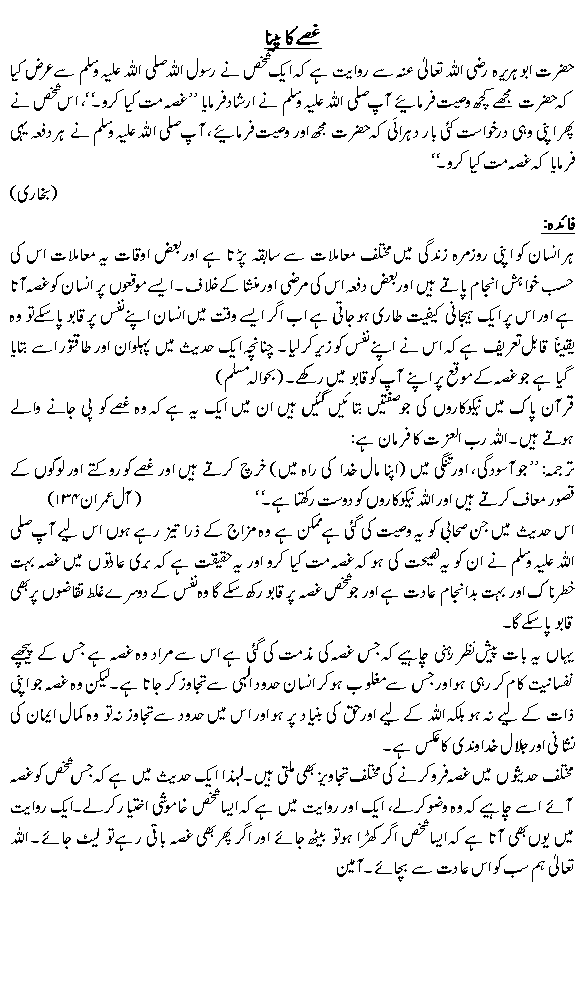
حضرت ابو ہریرہ رضی اللہ تعالیٰ عنہ سے روایت ہے کہ ایک شخص نے رسول اللہ صلی اللہ علیہ وسلم سے عرض کیا کہ حضرت مجھے کچھ وصیت فرمائیے، آپ صلی اللہ علیہ وسلم نے ارشاد فرمایا ”غصہ مت کرو“، اس شخص نے پھر اپنی وہی درخواست کئی بار دہرائی کہ حضرت مجھے اور وصیت فرمائیے، آپ صلی اللہ علیہ وسلم نے ہر دفعہ یہی فرمایا کہ ”غصہ مت کرو“۔ (بخاری)
ہر انسان کو اپنی روزمرہ زندگی میں مختلف معاملات سے سابقہ پڑتا ہے اور بعض اوقات اس کی حسب خواہش انجام پاتے ہیں اور بعض دفعہ اس کی مرضی اور منشا کے خلاف۔ ایسے موقعوں پر انسان کو غصہ آتا ہے اور اس پر ایک ہیجانی کیفیت طاری ہو جاتی ہے، اب اگر ایسے وقت میں انسان اپنے نفس پر قابو پا سکتا ہے تو وہ یقیناً قابل تعریف ہے کہ اس نے اپنے نفس پر قابو پا کر نفس کو زیر کر لیا۔ چنانچہ ایک حدیث میں پہلوان اور طاقتور اسے بتایا گیا ہے جو غصے کے موقع پر اپنے آپ کو قابو میں رکھے۔ (بحوالہ مسلم)
قرآن پاک میں نیکوکاروں کی جو صفتیں بتائی گئی ہیں ان میں ایک یہ ہے کہ وہ غصے کو پی جانے والے ہیں۔ اللہ رب العزت کا فرمان ہے:
ترجمہ: ”جو آسودگی اور تنگی میں (اپنا مال خدا کی راہ میں) خرچ کرتے ہیں اور غصے کو روکتے اور لوگوں کے قصور معاف کرتے ہیں اور اللہ نیکوکاروں کو دوست رکھتا ہے۔“ (آل عمران ۱۳۴)
اس حدیث میں جس صحابی کو یہ وصیت کی گئی ہے ممکن ہے وہ مزاج کے ذرا تیز رہے ہوں اس لیے آپ صلی اللہ علیہ وسلم نے ان کو یہ نصیحت کی ہو کہ غصہ مت کرو اور یہ حقیقت ہے کہ ہماری عادتوں میں غصہ بہت خطرناک اور بہت بد انجام عادت ہے اور جو شخص غصہ پر قابو رکھ سکے گا وہ نفس کے دوسرے غلط تقاضوں پر بھی قابو پا سکے گا۔
یہاں یہ بات پیش نظر رہنی چاہیے کہ جس غصہ کی مذمت کی گئی ہے اس سے مراد وہ غصہ ہے جس کے پیچھے نفسانیت کام کر رہی ہو اور جس سے مغلوب ہو کر انسان حدود الٰہی سے تجاوز کر جاتا ہے۔ لیکن وہ غصہ جو اپنی ذات کے لیے نہ ہو بلکہ اللہ کے لیے اور حق کی بنا پر ہو اور اس میں حدود سے تجاوز نہ ہو تو وہ کمال ایمان کی نشانی اور جلال خداوندی کا عکس ہے۔
چونکہ حدیثوں میں غصہ فرو کرنے کی مختلف تدبیریں بھی ملتی ہیں۔ لہٰذا ایک حدیث میں ہے کہ جس شخص کو غصہ آ رہا ہو تو چاہیے کہ وہ وضو کر لے، ایک اور روایت میں ہے کہ ایسا شخص خاموشی اختیار کرلے۔ ایک روایت میں یوں بھی آتا ہے کہ ایسا شخص اگر کھڑا ہو تو بیٹھ جائے اور اگر پھر بھی غصہ باقی رہے تو لیٹ جائے۔ اللہ تعالیٰ ہمیں سب کو اس عادت سے بچائے۔ آمین
قرآن پاک میں نیکوکاروں کی جو صفتیں بتائی گئی ہیں ان میں ایک یہ ہے کہ وہ غصے کو پی جانے والے ہیں۔ اللہ رب العزت کا فرمان ہے:
ترجمہ: ”جو آسودگی اور تنگی میں (اپنا مال خدا کی راہ میں) خرچ کرتے ہیں اور غصے کو روکتے اور لوگوں کے قصور معاف کرتے ہیں اور اللہ نیکوکاروں کو دوست رکھتا ہے۔“ (آل عمران ۱۳۴)
اس حدیث میں جس صحابی کو یہ وصیت کی گئی ہے ممکن ہے وہ مزاج کے ذرا تیز رہے ہوں اس لیے آپ صلی اللہ علیہ وسلم نے ان کو یہ نصیحت کی ہو کہ غصہ مت کرو اور یہ حقیقت ہے کہ ہماری عادتوں میں غصہ بہت خطرناک اور بہت بد انجام عادت ہے اور جو شخص غصہ پر قابو رکھ سکے گا وہ نفس کے دوسرے غلط تقاضوں پر بھی قابو پا سکے گا۔
یہاں یہ بات پیش نظر رہنی چاہیے کہ جس غصہ کی مذمت کی گئی ہے اس سے مراد وہ غصہ ہے جس کے پیچھے نفسانیت کام کر رہی ہو اور جس سے مغلوب ہو کر انسان حدود الٰہی سے تجاوز کر جاتا ہے۔ لیکن وہ غصہ جو اپنی ذات کے لیے نہ ہو بلکہ اللہ کے لیے اور حق کی بنا پر ہو اور اس میں حدود سے تجاوز نہ ہو تو وہ کمال ایمان کی نشانی اور جلال خداوندی کا عکس ہے۔
چونکہ حدیثوں میں غصہ فرو کرنے کی مختلف تدبیریں بھی ملتی ہیں۔ لہٰذا ایک حدیث میں ہے کہ جس شخص کو غصہ آ رہا ہو تو چاہیے کہ وہ وضو کر لے، ایک اور روایت میں ہے کہ ایسا شخص خاموشی اختیار کرلے۔ ایک روایت میں یوں بھی آتا ہے کہ ایسا شخص اگر کھڑا ہو تو بیٹھ جائے اور اگر پھر بھی غصہ باقی رہے تو لیٹ جائے۔ اللہ تعالیٰ ہمیں سب کو اس عادت سے بچائے۔ آمین
English translation
Abu Hurayrah (may Allah be pleased with him) reported that a man said to the Messenger of Allah ﷺ, "O Messenger of Allah, give me some counsel." He ﷺ said, "Do not become angry." The man repeated his same request several times, asking, "Give me more counsel," and every time the Messenger of Allah ﷺ said, "Do not become angry."
In his daily life every person deals with many matters, some of which turn out as he wishes and some against his will and liking. On such occasions a person becomes angry and an agitated state overtakes him. Now, if at such a moment a person can control himself, he is surely praiseworthy, for by controlling himself he has subdued his lower self. Thus a hadith describes as the strong man and the powerful one the one who keeps himself in control at the moment of anger. (Reported by Muslim)
Among the qualities of the righteous mentioned in the Qur'an is that they swallow down their anger. Allah, the Lord of Might, says:
Translation: "Those who spend (their wealth in Allah's way) in ease and in hardship, and who restrain their anger and pardon people — and Allah loves the doers of good." (Al-Imran 134)
It may be that the Companion to whom this counsel was given was somewhat quick-tempered, so the Prophet ﷺ advised him not to become angry. And it is a fact that among our habits anger is a most dangerous and most ruinous one, and whoever can keep his anger under control will also be able to control the other wrongful demands of the self.
It should be kept in mind here that the anger which is condemned means the anger behind which the ego is at work, and being overcome by which a person transgresses the limits set by Allah. But the anger that is not for one's own self but for the sake of Allah and on account of the truth, and in which the limits are not transgressed — that is a sign of perfect faith and a reflection of the Majesty of Allah.
Since the hadiths also mention various measures for subduing anger: one hadith says that a person who is becoming angry should perform ablution; another narration says such a person should keep silent; and another narration says that if such a person is standing he should sit down, and if the anger still remains he should lie down. May Allah save us all from this habit. Ameen
In his daily life every person deals with many matters, some of which turn out as he wishes and some against his will and liking. On such occasions a person becomes angry and an agitated state overtakes him. Now, if at such a moment a person can control himself, he is surely praiseworthy, for by controlling himself he has subdued his lower self. Thus a hadith describes as the strong man and the powerful one the one who keeps himself in control at the moment of anger. (Reported by Muslim)
Among the qualities of the righteous mentioned in the Qur'an is that they swallow down their anger. Allah, the Lord of Might, says:
Translation: "Those who spend (their wealth in Allah's way) in ease and in hardship, and who restrain their anger and pardon people — and Allah loves the doers of good." (Al-Imran 134)
It may be that the Companion to whom this counsel was given was somewhat quick-tempered, so the Prophet ﷺ advised him not to become angry. And it is a fact that among our habits anger is a most dangerous and most ruinous one, and whoever can keep his anger under control will also be able to control the other wrongful demands of the self.
It should be kept in mind here that the anger which is condemned means the anger behind which the ego is at work, and being overcome by which a person transgresses the limits set by Allah. But the anger that is not for one's own self but for the sake of Allah and on account of the truth, and in which the limits are not transgressed — that is a sign of perfect faith and a reflection of the Majesty of Allah.
Since the hadiths also mention various measures for subduing anger: one hadith says that a person who is becoming angry should perform ablution; another narration says such a person should keep silent; and another narration says that if such a person is standing he should sit down, and if the anger still remains he should lie down. May Allah save us all from this habit. Ameen
View original image
https://hadith.ahadees.com/hadees/1001 — Ahadees.com