

قبر کے متعلق ہدایت
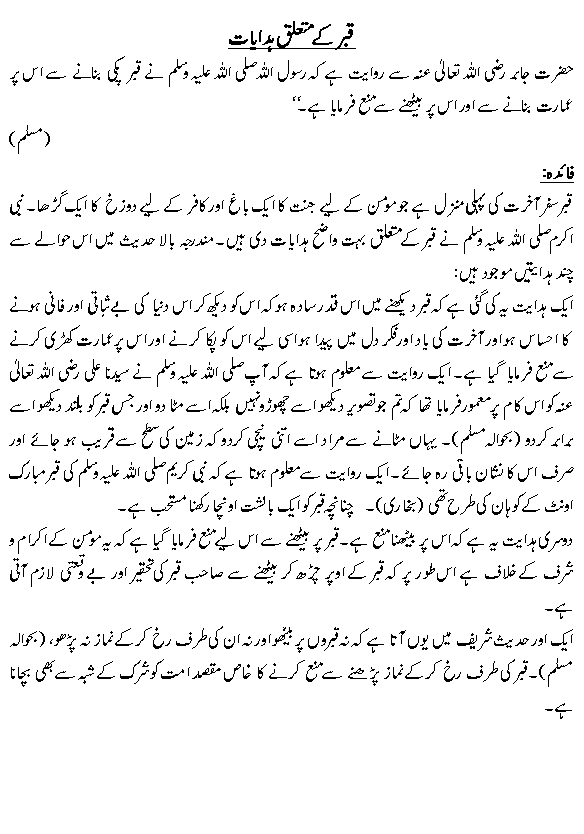
حضرت جابر رضی اللہ تعالیٰ عنہ سے روایت ہے کہ رسول اللہ صلی اللہ علیہ وسلم نے قبر پکی بنانے سے، اس پر عمارت بنانے سے اور اس پر بیٹھنے سے منع فرمایا ہے۔ (مسلم)
قبر سفرِ آخرت کی پہلی منزل ہے جو مومن کے لیے جنت کا ایک باغ اور کافر کے لیے دوزخ کا ایک گڑھا ہے۔ نبی اکرم صلی اللہ علیہ وسلم نے قبر کے متعلق بہت واضح ہدایات دی ہیں۔ مندرجہ بالا حدیث میں اس حوالے سے چند ہدایتیں موجود ہیں:
ایک ہدایت یہ کی گئی ہے کہ قبر دیکھنے میں اس قدر سادہ ہو کہ اس کو دیکھ کر اس دنیا کی بے ثباتی اور فانی ہونے کا احساس ہو اور آخرت کی یاد اور فکر دل میں پیدا ہو، اسی لیے اس کو پکا کرنے اور اس پر عمارت کھڑی کرنے سے منع فرمایا گیا ہے۔ ایک روایت سے معلوم ہوتا ہے کہ آپ صلی اللہ علیہ وسلم نے سیدنا علی رضی اللہ تعالیٰ عنہ کو اس کام پر معمور فرمایا تھا کہ تم جو تصویر دیکھو اسے چھوڑو نہیں بلکہ اسے مٹا دو اور جس قبر کو بلند دیکھو اسے ہموار کر دو (بحوالہ مسلم)۔ یہاں مٹانے سے مراد اسے اتنی نیچی کر دو کہ زمین کی سطح سے قریب ہو جائے اور صرف اس کا نشان باقی رہ جائے۔ ایک روایت سے معلوم ہوتا ہے کہ نبی کریم صلی اللہ علیہ وسلم کی قبر مبارک اونٹ کے کوہان کی طرح تھی (بخاری)۔ چنانچہ قبر کو ایک بالشت اونچا رکھنا مستحب ہے۔
دوسری ہدایت یہ ہے کہ اس پر بیٹھنا منع ہے۔ قبر پر بیٹھنے سے اس لیے منع فرمایا گیا ہے کہ یہ مومن کے اکرام و شرف کے خلاف ہے، اس طور پر کہ قبر کے اوپر چڑھ کر بیٹھنے سے صاحبِ قبر کی تحقیر اور بے وقتی لازم آتی ہے۔
ایک اور حدیث شریف میں یوں آتا ہے کہ نہ قبروں پر بیٹھو اور نہ ان کی طرف رخ کر کے نماز پڑھو، (بحوالہ مسلم)۔ قبر کی طرف رخ کر کے نماز پڑھنے سے منع کرنے کا خاص مقصد امت کو شرک کے شبہ سے بھی بچانا ہے۔
ایک ہدایت یہ کی گئی ہے کہ قبر دیکھنے میں اس قدر سادہ ہو کہ اس کو دیکھ کر اس دنیا کی بے ثباتی اور فانی ہونے کا احساس ہو اور آخرت کی یاد اور فکر دل میں پیدا ہو، اسی لیے اس کو پکا کرنے اور اس پر عمارت کھڑی کرنے سے منع فرمایا گیا ہے۔ ایک روایت سے معلوم ہوتا ہے کہ آپ صلی اللہ علیہ وسلم نے سیدنا علی رضی اللہ تعالیٰ عنہ کو اس کام پر معمور فرمایا تھا کہ تم جو تصویر دیکھو اسے چھوڑو نہیں بلکہ اسے مٹا دو اور جس قبر کو بلند دیکھو اسے ہموار کر دو (بحوالہ مسلم)۔ یہاں مٹانے سے مراد اسے اتنی نیچی کر دو کہ زمین کی سطح سے قریب ہو جائے اور صرف اس کا نشان باقی رہ جائے۔ ایک روایت سے معلوم ہوتا ہے کہ نبی کریم صلی اللہ علیہ وسلم کی قبر مبارک اونٹ کے کوہان کی طرح تھی (بخاری)۔ چنانچہ قبر کو ایک بالشت اونچا رکھنا مستحب ہے۔
دوسری ہدایت یہ ہے کہ اس پر بیٹھنا منع ہے۔ قبر پر بیٹھنے سے اس لیے منع فرمایا گیا ہے کہ یہ مومن کے اکرام و شرف کے خلاف ہے، اس طور پر کہ قبر کے اوپر چڑھ کر بیٹھنے سے صاحبِ قبر کی تحقیر اور بے وقتی لازم آتی ہے۔
ایک اور حدیث شریف میں یوں آتا ہے کہ نہ قبروں پر بیٹھو اور نہ ان کی طرف رخ کر کے نماز پڑھو، (بحوالہ مسلم)۔ قبر کی طرف رخ کر کے نماز پڑھنے سے منع کرنے کا خاص مقصد امت کو شرک کے شبہ سے بھی بچانا ہے۔
English translation
Jabir (RA) reported that the Messenger of Allah ﷺ forbade making a grave solid (plastering or cementing it), building a structure over it, and sitting upon it. (Muslim)
The grave is the first stage of the journey to the Hereafter — for the believer a garden from the gardens of Paradise, and for the disbeliever a pit from the pits of Hell. The Prophet ﷺ gave very clear directions concerning the grave, and the above hadith contains several of them:
One direction is that a grave should be kept so plain in appearance that seeing it awakens a sense of the impermanence and mortality of this world and stirs the remembrance of, and concern for, the Hereafter. This is why plastering it and raising a structure over it were forbidden. One narration relates that the Prophet ﷺ appointed Sayyiduna 'Ali (RA) to the task, telling him: do not leave any image you see, but efface it; and any grave you find raised high, level it (Muslim). "Efface" here means: lower it so much that it comes close to the level of the ground and only its mark remains. Another narration tells us that the blessed grave of the Prophet ﷺ was like the hump of a camel (Bukhari); accordingly it is recommended to keep a grave raised about a hand-span.
The second direction is that sitting on a grave is forbidden. Sitting on a grave was prohibited because it is against the honour and dignity of the believer, in that climbing upon and sitting on a grave amounts to disrespect and belittlement of its occupant.
Another noble hadith comes in these words: "Do not sit on graves, nor pray facing towards them" (Muslim). A particular aim behind forbidding prayer facing a grave is also to protect the Ummah from any suspicion of shirk.
The grave is the first stage of the journey to the Hereafter — for the believer a garden from the gardens of Paradise, and for the disbeliever a pit from the pits of Hell. The Prophet ﷺ gave very clear directions concerning the grave, and the above hadith contains several of them:
One direction is that a grave should be kept so plain in appearance that seeing it awakens a sense of the impermanence and mortality of this world and stirs the remembrance of, and concern for, the Hereafter. This is why plastering it and raising a structure over it were forbidden. One narration relates that the Prophet ﷺ appointed Sayyiduna 'Ali (RA) to the task, telling him: do not leave any image you see, but efface it; and any grave you find raised high, level it (Muslim). "Efface" here means: lower it so much that it comes close to the level of the ground and only its mark remains. Another narration tells us that the blessed grave of the Prophet ﷺ was like the hump of a camel (Bukhari); accordingly it is recommended to keep a grave raised about a hand-span.
The second direction is that sitting on a grave is forbidden. Sitting on a grave was prohibited because it is against the honour and dignity of the believer, in that climbing upon and sitting on a grave amounts to disrespect and belittlement of its occupant.
Another noble hadith comes in these words: "Do not sit on graves, nor pray facing towards them" (Muslim). A particular aim behind forbidding prayer facing a grave is also to protect the Ummah from any suspicion of shirk.
View original image
https://hadith.ahadees.com/hadees/1002 — Ahadees.com