

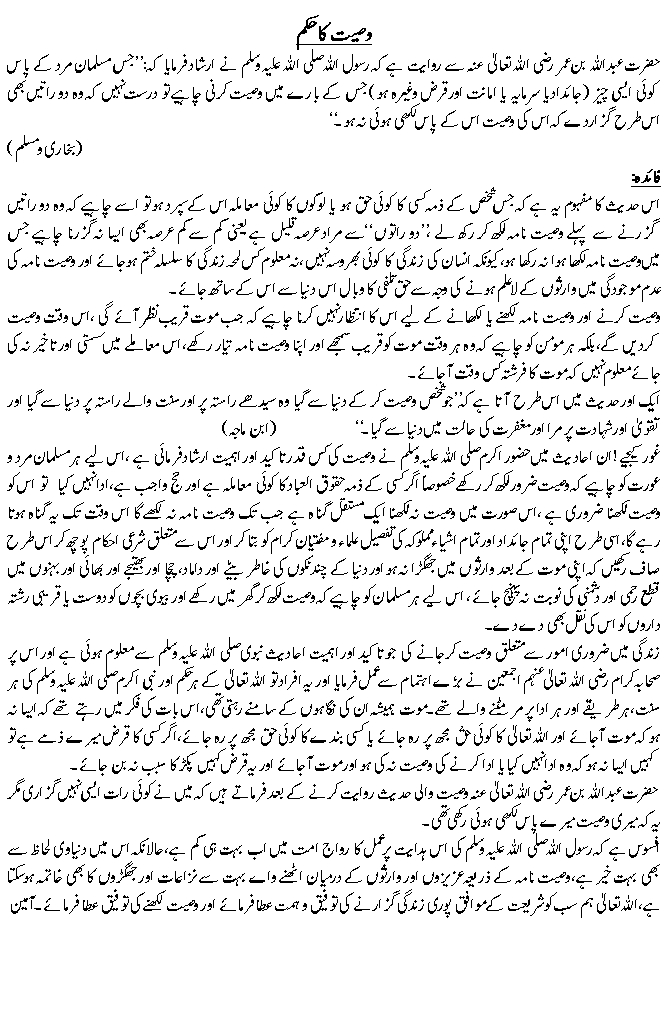
وصیت کا حکم
حضرت عبداللہ بن عمر رضی اللہ تعالیٰ عنہ سے روایت ہے کہ رسول اللہ صلی اللہ علیہ وسلم نے ارشاد فرمایا کہ: "جس مسلمان مرد کے پاس کوئی ایسی چیز (جائداد یا اسباب، سرمایہ یا امانت اور قرض وغیرہ) ہو جس کے بارے میں وصیت کرنی چاہیے تو دو راتیں بھی اس طرح گزر جانا درست نہیں کہ اس کی وصیت اس کے پاس لکھی ہوئی نہ ہو"۔ (بخاری و مسلم)
اس حدیث کا مفہوم یہ ہے کہ جس شخص کے ذمہ کسی کا کوئی حق ہو یا لوگوں کا کوئی معاملہ اس کے سپرد ہو تو اسے چاہیے کہ وہ دو راتیں گزرنے سے پہلے وصیت نامہ لکھ کر رکھ لے، "دو راتوں" سے مراد عرصہ قلیل ہے یعنی کم سے کم عرصہ بھی ایسا نہ گزرنا چاہیے جس میں وصیت نامہ لکھا ہوا نہ ہو، کیونکہ انسان کی زندگی کا کوئی بھروسہ نہیں، نہ معلوم کس لمحہ زندگی کا سلسلہ ختم ہو جائے اور وصیت نامہ کی عدم موجودگی میں وارثوں کے لاعلم ہونے کی وجہ سے حق تلفی کا وبال اس دنیا سے اس کے ساتھ جائے۔
وصیت کرنے اور وصیت نامہ لکھنے یا لکھانے کے لیے اس کا انتظار نہیں کرنا چاہیے کہ جب موت قریب نظر آئے گی، اس وقت وصیت کردیں گے، بلکہ ہر مومن کو چاہیے کہ وہ ہر وقت موت کو قریب سمجھے اور اپنا وصیت نامہ تیار رکھے، اس معاملے میں سستی اور تاخیر نہ کی جائے، معلوم نہیں کہ موت کا فرشتہ کس وقت آجائے۔
ایک اور حدیث میں اس طرح آتا ہے کہ "جو شخص وصیت کر کے دنیا سے گیا وہ سیدھے راستہ پر اور سنت والے راستہ پر دنیا سے گیا اور تقویٰ اور شہادت پر مرا اور مغفرت کی حالت میں دنیا سے گیا"۔ (ابن ماجہ)
غور کیجیے! ان احادیث میں حضور اکرم صلی اللہ علیہ وسلم نے وصیت کی کس قدر تاکید اور اہمیت ارشاد فرمائی ہے، اس لیے ہر مسلمان مرد و عورت کو چاہیے کہ وصیت ضرور لکھ کر رکھے، خصوصاً اگر کسی کے ذمہ حقوق العباد کا کوئی معاملہ اور حق واجب ہے تو اس پر وصیت لکھنا ضروری ہے، اس صورت میں وصیت نہ لکھنا ایک مستقل گناہ ہے، جب تک وصیت نامہ نہ لکھے گا اس وقت تک یہ گناہ ہوتا رہے گا، اسی طرح اپنی تمام جائداد اور تمام اشیاء مملوکہ کی تفصیل علماء و مفتیانِ کرام کو بتا کر اور اس سے متعلق شرعی احکام پوچھ کر اس طرح صاف رہے کہ اپنی موت کے بعد وارثوں میں جھگڑا نہ ہو اور دنیا کے چند لوگوں کی خاطر بیٹے اور داماد، چچا اور بھتیجے اور بھائی اور بہنوں میں قطع رحمی اور دشمنی کی نوبت نہ پہنچ جائے، اس لیے ہر مسلمان کو چاہیے کہ وصیت لکھ کر گھر میں رکھے اور بیوی بچوں کو یا قریبی رشتہ داروں کو اس کی نقل بھی دے دے۔
زندگی میں ان ضروری امور سے متعلق وصیت کر جانے کی جو تاکید اور اہمیت احادیثِ نبوی صلی اللہ علیہ وسلم سے معلوم ہوئی ہے اور اس پر صحابہ کرام رضی اللہ تعالیٰ عنہم اجمعین نے جس اہتمام سے عمل فرمایا، اور یہ افراد تو اللہ تعالیٰ کے ہر حکم اور نبی اکرم صلی اللہ علیہ وسلم کی ہر سنت، ہر طریقے اور ہر ادا پر مر مٹنے والے تھے، موت ہمیشہ ان کی نگاہوں کے سامنے رہتی تھی، اس بات کی فکر میں رہتے تھے کہ ایسا نہ ہو کہ موت آجائے اور اللہ تعالیٰ کا کوئی حق مجھ پر رہ جائے یا کسی بندے کا کوئی حق مجھ پر رہ جائے، اگر کسی کا قرض میرے ذمے ہے تو کہیں ایسا نہ ہو کہ وہ ادا نہیں کیا یا ادا کرنے کی وصیت نہ کی ہو اور موت آجائے اور یہ قرض کہیں پکڑ کا سبب نہ بن جائے۔
حضرت عبداللہ بن عمر رضی اللہ تعالیٰ عنہ وصیت والی حدیث روایت کرنے کے بعد فرماتے ہیں کہ میں نے کوئی رات ایسی نہیں گزاری مگر یہ کہ میری وصیت میرے پاس لکھی ہوئی رکھی تھی۔
افسوس ہے کہ رسول اللہ صلی اللہ علیہ وسلم کی اس ہدایت پر عمل کا رواج امت میں اب بہت ہی کم ہے، حالانکہ اس میں دنیاوی لحاظ سے بھی بہت خیر ہے، وصیت نامہ کے ذریعہ عزیزوں اور وارثوں کے درمیان اٹھنے والے بہت سے نزاعات اور جھگڑوں کا بھی خاتمہ ہوسکتا ہے۔ اللہ تعالیٰ ہم سب کو شریعت کے موافق پوری زندگی گزارنے کی توفیق و ہمت عطا فرمائے اور وصیت لکھنے کی توفیق عطا فرمائے۔ آمین
وصیت کرنے اور وصیت نامہ لکھنے یا لکھانے کے لیے اس کا انتظار نہیں کرنا چاہیے کہ جب موت قریب نظر آئے گی، اس وقت وصیت کردیں گے، بلکہ ہر مومن کو چاہیے کہ وہ ہر وقت موت کو قریب سمجھے اور اپنا وصیت نامہ تیار رکھے، اس معاملے میں سستی اور تاخیر نہ کی جائے، معلوم نہیں کہ موت کا فرشتہ کس وقت آجائے۔
ایک اور حدیث میں اس طرح آتا ہے کہ "جو شخص وصیت کر کے دنیا سے گیا وہ سیدھے راستہ پر اور سنت والے راستہ پر دنیا سے گیا اور تقویٰ اور شہادت پر مرا اور مغفرت کی حالت میں دنیا سے گیا"۔ (ابن ماجہ)
غور کیجیے! ان احادیث میں حضور اکرم صلی اللہ علیہ وسلم نے وصیت کی کس قدر تاکید اور اہمیت ارشاد فرمائی ہے، اس لیے ہر مسلمان مرد و عورت کو چاہیے کہ وصیت ضرور لکھ کر رکھے، خصوصاً اگر کسی کے ذمہ حقوق العباد کا کوئی معاملہ اور حق واجب ہے تو اس پر وصیت لکھنا ضروری ہے، اس صورت میں وصیت نہ لکھنا ایک مستقل گناہ ہے، جب تک وصیت نامہ نہ لکھے گا اس وقت تک یہ گناہ ہوتا رہے گا، اسی طرح اپنی تمام جائداد اور تمام اشیاء مملوکہ کی تفصیل علماء و مفتیانِ کرام کو بتا کر اور اس سے متعلق شرعی احکام پوچھ کر اس طرح صاف رہے کہ اپنی موت کے بعد وارثوں میں جھگڑا نہ ہو اور دنیا کے چند لوگوں کی خاطر بیٹے اور داماد، چچا اور بھتیجے اور بھائی اور بہنوں میں قطع رحمی اور دشمنی کی نوبت نہ پہنچ جائے، اس لیے ہر مسلمان کو چاہیے کہ وصیت لکھ کر گھر میں رکھے اور بیوی بچوں کو یا قریبی رشتہ داروں کو اس کی نقل بھی دے دے۔
زندگی میں ان ضروری امور سے متعلق وصیت کر جانے کی جو تاکید اور اہمیت احادیثِ نبوی صلی اللہ علیہ وسلم سے معلوم ہوئی ہے اور اس پر صحابہ کرام رضی اللہ تعالیٰ عنہم اجمعین نے جس اہتمام سے عمل فرمایا، اور یہ افراد تو اللہ تعالیٰ کے ہر حکم اور نبی اکرم صلی اللہ علیہ وسلم کی ہر سنت، ہر طریقے اور ہر ادا پر مر مٹنے والے تھے، موت ہمیشہ ان کی نگاہوں کے سامنے رہتی تھی، اس بات کی فکر میں رہتے تھے کہ ایسا نہ ہو کہ موت آجائے اور اللہ تعالیٰ کا کوئی حق مجھ پر رہ جائے یا کسی بندے کا کوئی حق مجھ پر رہ جائے، اگر کسی کا قرض میرے ذمے ہے تو کہیں ایسا نہ ہو کہ وہ ادا نہیں کیا یا ادا کرنے کی وصیت نہ کی ہو اور موت آجائے اور یہ قرض کہیں پکڑ کا سبب نہ بن جائے۔
حضرت عبداللہ بن عمر رضی اللہ تعالیٰ عنہ وصیت والی حدیث روایت کرنے کے بعد فرماتے ہیں کہ میں نے کوئی رات ایسی نہیں گزاری مگر یہ کہ میری وصیت میرے پاس لکھی ہوئی رکھی تھی۔
افسوس ہے کہ رسول اللہ صلی اللہ علیہ وسلم کی اس ہدایت پر عمل کا رواج امت میں اب بہت ہی کم ہے، حالانکہ اس میں دنیاوی لحاظ سے بھی بہت خیر ہے، وصیت نامہ کے ذریعہ عزیزوں اور وارثوں کے درمیان اٹھنے والے بہت سے نزاعات اور جھگڑوں کا بھی خاتمہ ہوسکتا ہے۔ اللہ تعالیٰ ہم سب کو شریعت کے موافق پوری زندگی گزارنے کی توفیق و ہمت عطا فرمائے اور وصیت لکھنے کی توفیق عطا فرمائے۔ آمین
English translation
It is narrated from Abdullah bin Umar (may Allah be pleased with him) that the Messenger of Allah ﷺ said: "It is not right for a Muslim man who has something (property, assets, capital, a trust, a debt, and the like) concerning which a bequest ought to be made, to let even two nights pass without having his will written down beside him." (Bukhari & Muslim)
The meaning of this hadith is that whoever bears an obligation towards someone, or has some affair of others entrusted to him, should write down a will before two nights pass. By "two nights" is meant a short span — that is, not even the smallest span of time should pass without a will being written — because there is no reliance upon human life; it is not known at what moment the thread of life may end, and, in the absence of a will, the burden of usurped rights, owing to the heirs' ignorance, may accompany him out of this world.
One should not wait, to make a bequest and to write or dictate a will, until death appears near, thinking "we will make the bequest then." Rather, every believer should always regard death as near and keep his will ready; no laziness or delay should be shown in this matter, for it is not known at what moment the angel of death may come.
In another hadith it comes thus: "Whoever departs this world having made a bequest, departs upon the straight path and upon the path of the Sunnah, and dies upon piety and martyrdom and in a state of forgiveness." (Ibn Majah)
Reflect! In these ahadith the Noble Messenger ﷺ has expressed how greatly he stressed the making of a will and its importance. Therefore every Muslim man and woman should be sure to write a will — especially if some matter of the rights of people (ḥuqūq al-ʿibād) and a due obligation rests upon someone, it is necessary to write a bequest concerning it; in such a case, not writing a will is a continuing sin: for as long as he does not write the will, this sin continues. Likewise, one should set down all his property and owned possessions, and, after informing the scholars and muftis and inquiring about the detailed Shariah rulings concerning them, keep matters so clear that after his death no dispute arises among the heirs, and that for the sake of a few worldly people the ties of kinship and relations between sons and sons-in-law, uncles and nephews, brothers and sisters do not reach the point of severance and enmity. So every Muslim should write a will and keep it at home, and also give a copy to his wife and children or to close relatives.
The stress and importance of making a bequest concerning these necessary matters during one's life, which is known from the ahadith of the Prophet ﷺ, and the care with which the noble Companions (may Allah be pleased with them all) acted upon it — for they were people who would give their lives for every command of Allah and for every Sunnah, way and practice of the Noble Prophet ﷺ — death was always before their eyes, and they were anxious lest death come while some right of Allah remained upon them, or some right of a servant of Allah remained upon them; if someone's debt was owed by them, [they feared] lest it be that they had not repaid it nor left a bequest to repay it, and death come, and this debt somehow become a cause of their being seized.
Abdullah bin Umar (may Allah be pleased with him), after narrating the hadith about bequests, used to say: "I have not passed a single night without my will being written and kept with me."
It is a matter of regret that the practice of this guidance of the Messenger of Allah ﷺ is now very rare in the ummah, although there is much good in it even from a worldly point of view: through a will, many of the disputes and quarrels that arise among relatives and heirs can be ended. May Allah grant us all the ability and resolve to live our whole lives in accordance with the Shariah, and the ability to write a will. Amin.
The meaning of this hadith is that whoever bears an obligation towards someone, or has some affair of others entrusted to him, should write down a will before two nights pass. By "two nights" is meant a short span — that is, not even the smallest span of time should pass without a will being written — because there is no reliance upon human life; it is not known at what moment the thread of life may end, and, in the absence of a will, the burden of usurped rights, owing to the heirs' ignorance, may accompany him out of this world.
One should not wait, to make a bequest and to write or dictate a will, until death appears near, thinking "we will make the bequest then." Rather, every believer should always regard death as near and keep his will ready; no laziness or delay should be shown in this matter, for it is not known at what moment the angel of death may come.
In another hadith it comes thus: "Whoever departs this world having made a bequest, departs upon the straight path and upon the path of the Sunnah, and dies upon piety and martyrdom and in a state of forgiveness." (Ibn Majah)
Reflect! In these ahadith the Noble Messenger ﷺ has expressed how greatly he stressed the making of a will and its importance. Therefore every Muslim man and woman should be sure to write a will — especially if some matter of the rights of people (ḥuqūq al-ʿibād) and a due obligation rests upon someone, it is necessary to write a bequest concerning it; in such a case, not writing a will is a continuing sin: for as long as he does not write the will, this sin continues. Likewise, one should set down all his property and owned possessions, and, after informing the scholars and muftis and inquiring about the detailed Shariah rulings concerning them, keep matters so clear that after his death no dispute arises among the heirs, and that for the sake of a few worldly people the ties of kinship and relations between sons and sons-in-law, uncles and nephews, brothers and sisters do not reach the point of severance and enmity. So every Muslim should write a will and keep it at home, and also give a copy to his wife and children or to close relatives.
The stress and importance of making a bequest concerning these necessary matters during one's life, which is known from the ahadith of the Prophet ﷺ, and the care with which the noble Companions (may Allah be pleased with them all) acted upon it — for they were people who would give their lives for every command of Allah and for every Sunnah, way and practice of the Noble Prophet ﷺ — death was always before their eyes, and they were anxious lest death come while some right of Allah remained upon them, or some right of a servant of Allah remained upon them; if someone's debt was owed by them, [they feared] lest it be that they had not repaid it nor left a bequest to repay it, and death come, and this debt somehow become a cause of their being seized.
Abdullah bin Umar (may Allah be pleased with him), after narrating the hadith about bequests, used to say: "I have not passed a single night without my will being written and kept with me."
It is a matter of regret that the practice of this guidance of the Messenger of Allah ﷺ is now very rare in the ummah, although there is much good in it even from a worldly point of view: through a will, many of the disputes and quarrels that arise among relatives and heirs can be ended. May Allah grant us all the ability and resolve to live our whole lives in accordance with the Shariah, and the ability to write a will. Amin.
View original image
https://hadith.ahadees.com/hadees/1309 — Ahadees.com