

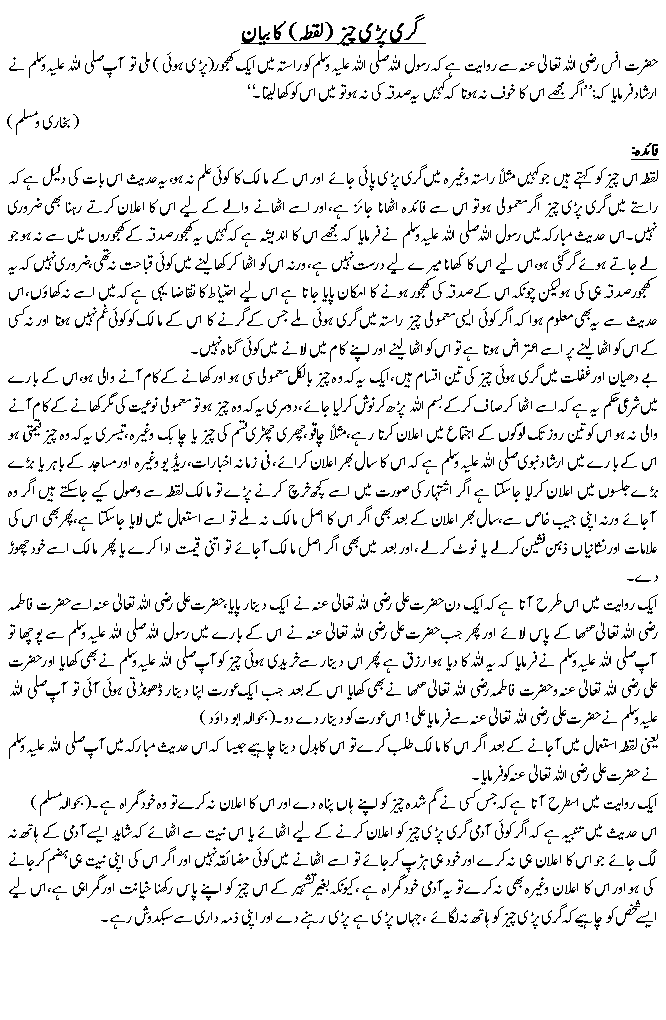
گری پڑی چیز (لقطہ) کا بیان
حضرت انس رضی اللہ تعالیٰ عنہ سے روایت ہے کہ رسول اللہ صلی اللہ علیہ وسلم کو راستہ میں ایک کھجور (پڑی ہوئی) ملی تو آپ صلی اللہ علیہ وسلم نے ارشاد فرمایا کہ: ”اگر مجھے اس کا خوف نہ ہوتا کہ کہیں یہ صدقہ کی نہ ہو تو میں اس کو کھالیتا“ (بخاری و مسلم)
لقطہ اس چیز کو کہتے ہیں جو کہیں مثلاً راستہ وغیرہ میں گری پڑی پائی جائے اور اس کے مالک کا کوئی علم نہ ہو، یہ حدیث اس بات کی دلیل ہے کہ راستے میں گری پڑی چیز اگر معمولی ہو تو اس سے فائدہ اٹھانا جائز ہے، اور اسے اٹھانے والے کے لیے اس کا اعلان کرتے رہنا بھی ضروری نہیں۔ اس حدیث مبارکہ میں رسول اللہ صلی اللہ علیہ وسلم نے فرمایا کہ مجھے اس کا اندیشہ ہے کہ کہیں یہ کھجور صدقہ کے کھجوروں میں سے نہ ہو جو لے جاتے ہوئے گر گئی ہو اس لیے اس کا کھانا میرے لیے درست نہیں ہے، ورنہ اس کو اٹھا کر کھالینے میں کوئی قباحت نہ تھی، ضروری نہیں کہ یہ کھجور صدقہ ہی کی ہو لیکن چونکہ اس کے صدقہ کی کھجور ہونے کا امکان پایا جاتا ہے اس لیے احتیاط کا تقاضا یہی ہے کہ میں اسے نہ کھاؤں، اس حدیث سے یہ بھی معلوم ہوا کہ اگر کوئی ایسی معمولی چیز راستہ میں گری ہوئی ملے جس کے گرنے کا اس کے مالک کو کوئی غم نہیں ہوتا اور نہ کسی کے اس کو اٹھا لینے پر اسے اعتراض ہوتا ہے تو اس کو اٹھا لینے اور اپنے کام میں لانے میں کوئی گناہ نہیں۔
بے دھیان اور غفلت میں گری ہوئی چیز کے تین اقسام ہیں، ایک یہ کہ وہ چیز بالکل معمولی سی ہو اور کھانے کے کام آنے والی ہو، اس کے بارے میں شرعی حکم یہ ہے کہ اسے اٹھا کر صاف کرکے بسم اللہ پڑھ کر نوش کرلیا جائے، دوسری یہ کہ وہ چیز ہو تو معمولی نوعیت کی مگر کھانے کے کام آنے والی نہ ہو اس کو تین روز تک لوگوں کے اجتماع میں اعلان کرتا رہے، مثلاً چاقو، چھری چھڑی قسم کی چیز یا چابک وغیرہ، تیسری یہ کہ وہ چیز قیمتی ہو اس کے بارے میں ارشاد نبوی صلی اللہ علیہ وسلم ہے کہ اس کا سال بھر اعلان کرائے، فی زمانہ اخبارات، ریڈیو وغیرہ اور مساجد کے باہر یا بڑے بڑے جلسوں میں اعلان کرلیا جاسکتا ہے اگر اشتہار کی صورت میں اسے کچھ خرچ کرنے پڑے تو مالک لقطہ سے وصول کیے جاسکتے ہیں اگر وہ آجائے ورنہ اپنی جیب خاص سے، سال بھر اعلان کے بعد بھی اگر اس کا اصل مالک نہ ملے تو اسے استعمال میں لایا جاسکتا ہے، پھر بھی اس کی علامات اور نشانیاں ذہن نشین کرلے یا نوٹ کرلے، اور بعد میں بھی اگر اصل مالک آجائے تو اتنی قیمت ادا کرے یا پھر مالک اسے خود چھوڑ دے۔
ایک روایت میں اس طرح آتا ہے کہ ایک دن حضرت علی رضی اللہ تعالیٰ عنہ نے ایک دینار پایا، حضرت علی رضی اللہ تعالیٰ عنہ اسے حضرت فاطمہ رضی اللہ تعالیٰ عنہا کے پاس لائے اور پھر حضرت علی رضی اللہ تعالیٰ عنہ نے اس کے بارے میں رسول اللہ صلی اللہ علیہ وسلم سے پوچھا تو آپ صلی اللہ علیہ وسلم نے فرمایا کہ یہ اللہ کا دیا ہوا رزق ہے پھر اس دینار سے خریدی ہوئی چیز کو آپ صلی اللہ علیہ وسلم نے بھی کھایا اور حضرت علی رضی اللہ تعالیٰ عنہ و حضرت فاطمہ رضی اللہ تعالیٰ عنہا نے بھی کھایا اس کے بعد جب ایک عورت اپنا دینار ڈھونڈتی ہوئی آئی تو آپ صلی اللہ علیہ وسلم نے حضرت علی رضی اللہ تعالیٰ عنہ سے فرمایا علی! اس عورت کو دینار دے دو۔ (بحوالہ ابو داؤد) یعنی لقطہ استعمال میں آجانے کے بعد اگر اس کا مالک طلب کرے تو اس کا بدل دینا چاہیے جیسا کہ اس حدیث مبارکہ میں آپ صلی اللہ علیہ وسلم نے حضرت علی رضی اللہ تعالیٰ عنہ کو فرمایا۔
ایک روایت میں اس طرح آتا ہے کہ جس کسی نے گم شدہ چیز کو اپنے ہاں پناہ دے اور اس کا اعلان نہ کرے تو وہ خود گمراہ ہے۔ (بحوالہ مسلم) اس حدیث میں تنبیہ ہے کہ اگر کوئی آدمی گری پڑی چیز کو اعلان کرنے کے لیے اٹھائے یا اس نیت سے اٹھائے کہ شاید ایسے آدمی کے ہاتھ نہ لگ جائے جو اس کا اعلان ہی نہ کرے اور خود ہی ہڑپ کر جائے تو اسے اٹھانے میں کوئی مضائقہ نہیں اور اگر اس کی اپنی نیت ہی ہضم کر جانے کی ہو اور اس کا اعلان وغیرہ بھی نہ کرے تو یہ آدمی خود گمراہ ہے، کیونکہ بغیر تشہیر کے اس چیز کو اپنے پاس رکھنا خیانت اور گمراہی ہے، اس لیے ایسے شخص کو چاہیے کہ گری پڑی چیز کو ہاتھ نہ لگائے، جہاں پڑی ہے پڑی رہنے دے اور اپنی ذمہ داری سے سبکدوش رہے۔
بے دھیان اور غفلت میں گری ہوئی چیز کے تین اقسام ہیں، ایک یہ کہ وہ چیز بالکل معمولی سی ہو اور کھانے کے کام آنے والی ہو، اس کے بارے میں شرعی حکم یہ ہے کہ اسے اٹھا کر صاف کرکے بسم اللہ پڑھ کر نوش کرلیا جائے، دوسری یہ کہ وہ چیز ہو تو معمولی نوعیت کی مگر کھانے کے کام آنے والی نہ ہو اس کو تین روز تک لوگوں کے اجتماع میں اعلان کرتا رہے، مثلاً چاقو، چھری چھڑی قسم کی چیز یا چابک وغیرہ، تیسری یہ کہ وہ چیز قیمتی ہو اس کے بارے میں ارشاد نبوی صلی اللہ علیہ وسلم ہے کہ اس کا سال بھر اعلان کرائے، فی زمانہ اخبارات، ریڈیو وغیرہ اور مساجد کے باہر یا بڑے بڑے جلسوں میں اعلان کرلیا جاسکتا ہے اگر اشتہار کی صورت میں اسے کچھ خرچ کرنے پڑے تو مالک لقطہ سے وصول کیے جاسکتے ہیں اگر وہ آجائے ورنہ اپنی جیب خاص سے، سال بھر اعلان کے بعد بھی اگر اس کا اصل مالک نہ ملے تو اسے استعمال میں لایا جاسکتا ہے، پھر بھی اس کی علامات اور نشانیاں ذہن نشین کرلے یا نوٹ کرلے، اور بعد میں بھی اگر اصل مالک آجائے تو اتنی قیمت ادا کرے یا پھر مالک اسے خود چھوڑ دے۔
ایک روایت میں اس طرح آتا ہے کہ ایک دن حضرت علی رضی اللہ تعالیٰ عنہ نے ایک دینار پایا، حضرت علی رضی اللہ تعالیٰ عنہ اسے حضرت فاطمہ رضی اللہ تعالیٰ عنہا کے پاس لائے اور پھر حضرت علی رضی اللہ تعالیٰ عنہ نے اس کے بارے میں رسول اللہ صلی اللہ علیہ وسلم سے پوچھا تو آپ صلی اللہ علیہ وسلم نے فرمایا کہ یہ اللہ کا دیا ہوا رزق ہے پھر اس دینار سے خریدی ہوئی چیز کو آپ صلی اللہ علیہ وسلم نے بھی کھایا اور حضرت علی رضی اللہ تعالیٰ عنہ و حضرت فاطمہ رضی اللہ تعالیٰ عنہا نے بھی کھایا اس کے بعد جب ایک عورت اپنا دینار ڈھونڈتی ہوئی آئی تو آپ صلی اللہ علیہ وسلم نے حضرت علی رضی اللہ تعالیٰ عنہ سے فرمایا علی! اس عورت کو دینار دے دو۔ (بحوالہ ابو داؤد) یعنی لقطہ استعمال میں آجانے کے بعد اگر اس کا مالک طلب کرے تو اس کا بدل دینا چاہیے جیسا کہ اس حدیث مبارکہ میں آپ صلی اللہ علیہ وسلم نے حضرت علی رضی اللہ تعالیٰ عنہ کو فرمایا۔
ایک روایت میں اس طرح آتا ہے کہ جس کسی نے گم شدہ چیز کو اپنے ہاں پناہ دے اور اس کا اعلان نہ کرے تو وہ خود گمراہ ہے۔ (بحوالہ مسلم) اس حدیث میں تنبیہ ہے کہ اگر کوئی آدمی گری پڑی چیز کو اعلان کرنے کے لیے اٹھائے یا اس نیت سے اٹھائے کہ شاید ایسے آدمی کے ہاتھ نہ لگ جائے جو اس کا اعلان ہی نہ کرے اور خود ہی ہڑپ کر جائے تو اسے اٹھانے میں کوئی مضائقہ نہیں اور اگر اس کی اپنی نیت ہی ہضم کر جانے کی ہو اور اس کا اعلان وغیرہ بھی نہ کرے تو یہ آدمی خود گمراہ ہے، کیونکہ بغیر تشہیر کے اس چیز کو اپنے پاس رکھنا خیانت اور گمراہی ہے، اس لیے ایسے شخص کو چاہیے کہ گری پڑی چیز کو ہاتھ نہ لگائے، جہاں پڑی ہے پڑی رہنے دے اور اپنی ذمہ داری سے سبکدوش رہے۔
English translation
Narrated Anas (may Allah be pleased with him): the Messenger of Allah ﷺ found a date lying on the road, and he said: “Were it not that I fear it might be from the dates of charity (sadaqah), I would have eaten it.”
Luqta is the term for something found lying somewhere — for example on a road — whose owner is unknown. This hadith is evidence that if a thing found on the road is of trifling value, it is permissible to make use of it, and the one who picks it up is not even obliged to keep announcing it. In this blessed hadith the Messenger of Allah ﷺ said that he feared this date might be one of the dates of charity that had fallen while being carried, so eating it was not lawful for him; otherwise there would have been no harm in picking it up and eating it. It is not necessary that the date was in fact charity, but because there was a possibility of its being a charity date, caution required that he not eat it. This hadith also shows that if some ordinary thing is found fallen on the road whose loss causes its owner no grief and whose being picked up no one would object to, then there is no sin in picking it up and putting it to one's own use.
A thing found dropped through inattention or negligence is of three kinds. First, that the thing is quite ordinary and of the sort used for eating; the ruling regarding it is that it may be picked up, cleaned, and consumed after saying Bismillah. Second, that the thing is ordinary in nature but not of the sort eaten; this should be announced for three days in the gatherings of people — for example a knife, a small knife, a stick or a whip and the like. Third, that the thing is valuable; regarding it the Prophet's ﷺ instruction is that it be announced for a full year. In this age it may be announced through newspapers, radio and the like, or outside mosques or at large gatherings; and if the advertisement entails some expense, it may be recovered from the owner of the luqta if he turns up, otherwise from one's own pocket. Even after a full year of announcing, if its real owner is not found, it may be put to use; even so, one should memorise or note down its marks and signs, and later, if the real owner comes, one should pay him its value, or else the owner may leave it to him.
In one narration it comes that one day Ali (may Allah be pleased with him) found a dinar. Ali brought it to Fatimah (may Allah be pleased with her), and then Ali asked the Messenger of Allah ﷺ about it. He ﷺ said, “This is a provision given by Allah.” Then the Prophet ﷺ also ate of what was bought with that dinar, and Ali and Fatimah (may Allah be pleased with them) ate of it too. After that, when a woman came searching for her dinar, the Prophet ﷺ told Ali, “O Ali, give the dinar to this woman.” (Reported by Abu Dawud) — that is, once a luqta has been put to use, if its owner asks for it, its replacement should be given, just as the Prophet ﷺ instructed Ali in this blessed hadith.
In one narration it comes that whoever gives shelter to a lost thing in his home and does not announce it is himself astray. (Reported by Muslim) In this hadith there is a warning: if someone picks up a found thing in order to announce it, or with the intention that it not fall into the hands of one who would not announce it at all but would swallow it up himself, then there is no harm in his picking it up; but if his own intention is to consume it and he does not announce it either, then this man is himself astray, because to keep such a thing without publicising it is treachery and misguidance. Therefore such a person should not touch a found thing but leave it lying where it lies, and discharge himself of the responsibility.
Luqta is the term for something found lying somewhere — for example on a road — whose owner is unknown. This hadith is evidence that if a thing found on the road is of trifling value, it is permissible to make use of it, and the one who picks it up is not even obliged to keep announcing it. In this blessed hadith the Messenger of Allah ﷺ said that he feared this date might be one of the dates of charity that had fallen while being carried, so eating it was not lawful for him; otherwise there would have been no harm in picking it up and eating it. It is not necessary that the date was in fact charity, but because there was a possibility of its being a charity date, caution required that he not eat it. This hadith also shows that if some ordinary thing is found fallen on the road whose loss causes its owner no grief and whose being picked up no one would object to, then there is no sin in picking it up and putting it to one's own use.
A thing found dropped through inattention or negligence is of three kinds. First, that the thing is quite ordinary and of the sort used for eating; the ruling regarding it is that it may be picked up, cleaned, and consumed after saying Bismillah. Second, that the thing is ordinary in nature but not of the sort eaten; this should be announced for three days in the gatherings of people — for example a knife, a small knife, a stick or a whip and the like. Third, that the thing is valuable; regarding it the Prophet's ﷺ instruction is that it be announced for a full year. In this age it may be announced through newspapers, radio and the like, or outside mosques or at large gatherings; and if the advertisement entails some expense, it may be recovered from the owner of the luqta if he turns up, otherwise from one's own pocket. Even after a full year of announcing, if its real owner is not found, it may be put to use; even so, one should memorise or note down its marks and signs, and later, if the real owner comes, one should pay him its value, or else the owner may leave it to him.
In one narration it comes that one day Ali (may Allah be pleased with him) found a dinar. Ali brought it to Fatimah (may Allah be pleased with her), and then Ali asked the Messenger of Allah ﷺ about it. He ﷺ said, “This is a provision given by Allah.” Then the Prophet ﷺ also ate of what was bought with that dinar, and Ali and Fatimah (may Allah be pleased with them) ate of it too. After that, when a woman came searching for her dinar, the Prophet ﷺ told Ali, “O Ali, give the dinar to this woman.” (Reported by Abu Dawud) — that is, once a luqta has been put to use, if its owner asks for it, its replacement should be given, just as the Prophet ﷺ instructed Ali in this blessed hadith.
In one narration it comes that whoever gives shelter to a lost thing in his home and does not announce it is himself astray. (Reported by Muslim) In this hadith there is a warning: if someone picks up a found thing in order to announce it, or with the intention that it not fall into the hands of one who would not announce it at all but would swallow it up himself, then there is no harm in his picking it up; but if his own intention is to consume it and he does not announce it either, then this man is himself astray, because to keep such a thing without publicising it is treachery and misguidance. Therefore such a person should not touch a found thing but leave it lying where it lies, and discharge himself of the responsibility.
View original image
https://hadith.ahadees.com/hadees/1703 — Ahadees.com