

توبہ کی اہمیت
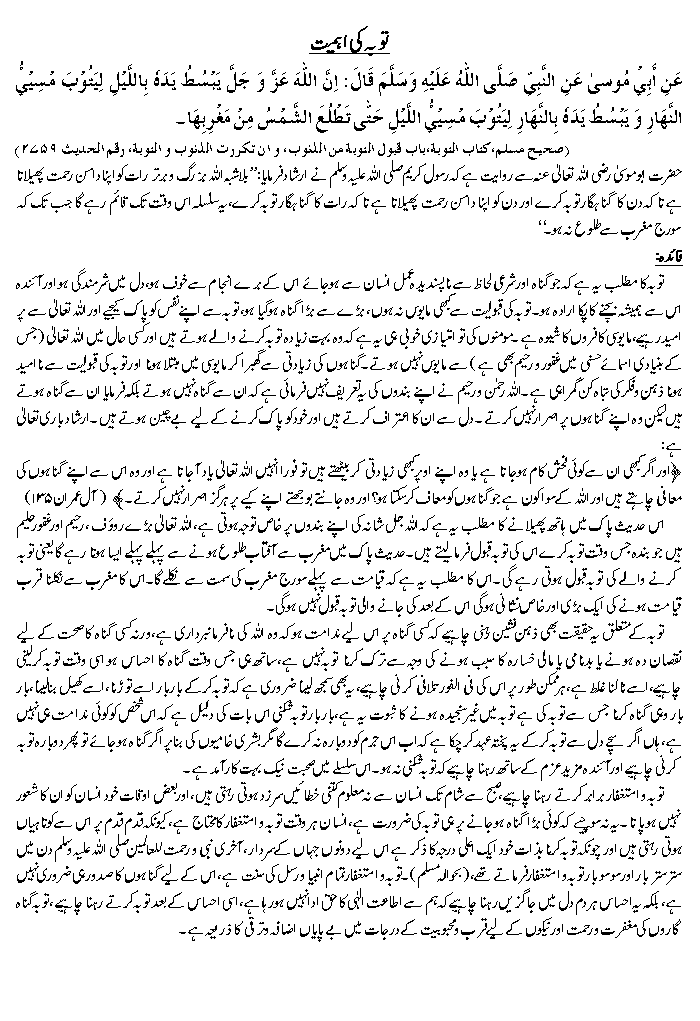
عَنْ أَبِيْ مُوْسَىٰ عَنِ النَّبِيِّ صَلَّى اللهُ عَلَيْهِ وَسَلَّمَ قَالَ: اِنَّ اللهَ عَزَّ وَ جَلَّ يَبْسُطُ يَدَهُ بِاللَّيْلِ لِيَتُوْبَ مُسِيْئُ النَّهَارِ وَ يَبْسُطُ يَدَهُ بِالنَّهَارِ لِيَتُوْبَ مُسِيْئُ اللَّيْلِ حَتّٰى تَطْلُعَ الشَّمْسُ مِنْ مَغْرِبِهَا۔
حضرت ابوموسیٰ رضی اللہ تعالیٰ عنہ سے روایت ہے کہ رسول کریم صلی اللہ علیہ وسلم نے ارشاد فرمایا: "بلاشبہ اللہ بزرگ و برتر رات کو اپنا دامن رحمت پھیلاتا ہے تا کہ دن کا گناہ گار توبہ کرے اور دن کو اپنا دامن رحمت پھیلاتا ہے تا کہ رات کا گناہ گار توبہ کرے، یہ سلسلہ اس وقت تک قائم رہے گا جب تک کہ سورج مغرب سے طلوع نہ ہو۔" (صحیح مسلم)
توبہ کا مطلب یہ ہے کہ جو گناہ اور شرعی لحاظ سے ناپسندیدہ عمل انسان سے ہو جائے اس کے برے انجام سے خوف ہو، دل میں شرمندگی ہو اور آئندہ اس سے ہمیشہ بچنے کا پکا ارادہ ہو۔ توبہ کی قبولیت سے کبھی مایوس نہ ہوں، بڑے سے بڑا گناہ ہو گیا ہو، توبہ سے اپنے نفس کو پاک کیجیے اور اللہ تعالیٰ سے پر امید رہیے، مایوسی کافروں کا شیوہ ہے۔ مومنوں کی تو امتیازی خوبی ہی یہ ہے کہ وہ بہت زیادہ توبہ کرنے والے ہوتے ہیں اور کسی حال میں اللہ تعالیٰ (جس کے بنیادی اسمائے حسنیٰ میں غفور و رحیم بھی ہے) سے مایوس نہیں ہوتے۔ گناہوں کی زیادتی سے گھبرا کر مایوسی میں مبتلا ہونا اور توبہ کی قبولیت سے ناامید ہونا ذہن و فکر کی تباہ کن گمراہی ہے۔ اللہ رحمٰن و رحیم نے اپنے بندوں کی یہ تعریف نہیں فرمائی ہے کہ ان سے گناہ نہیں ہوتے بلکہ فرمایا ان سے گناہ ہوتے ہیں لیکن وہ اپنے گناہوں پر اصرار نہیں کرتے۔ دل سے ان کا اعتراف کرتے ہیں اور خود کو پاک کرنے کے لیے بے چین ہوتے ہیں۔ ارشاد باری تعالیٰ ہے:
﴿اور اگر کبھی ان سے کوئی فحش کام ہو جاتا ہے یا وہ اپنے اوپر کبھی زیادتی کر بیٹھتے ہیں تو فوراً انہیں اللہ تعالیٰ یاد آ جاتا ہے اور وہ اس سے اپنے گناہوں کی معافی چاہتے ہیں اور اللہ کے سوا کون ہے جو گناہوں کو معاف کر سکتا ہو؟ اور وہ جانتے بوجھتے اپنے کیے پر ہرگز اصرار نہیں کرتے۔﴾ (آل عمران ۱۳۵)
اس حدیث پاک میں ہاتھ پھیلانے کا مطلب یہ ہے کہ اللہ جل شانہ کی اپنے بندوں پر خاص توجہ ہوتی ہے، اللہ تعالیٰ بڑے رؤوف، رحیم اور غفور حلیم ہیں جو بندہ جس وقت توبہ کرے اس کی توبہ قبول فرما لیتے ہیں۔ حدیث پاک میں مغرب سے آفتاب طلوع ہونے سے پہلے پہلے ایسا ہوتا رہے گا یعنی توبہ کرنے والے کی توبہ قبول ہوتی رہے گی۔ اس کا مطلب یہ ہے کہ قیامت سے پہلے سورج مغرب کی سمت سے نکلے گا۔ اس کا مغرب سے نکلنا قرب قیامت ہونے کی ایک بڑی اور خاص نشانی ہوگی اس کے بعد کی جانے والی توبہ قبول نہیں ہوگی۔
توبہ کے متعلق یہ حقیقت بھی ذہن نشین رہنی چاہیے کہ کسی گناہ پر اس لیے ندامت ہو کہ وہ اللہ کی نافرمانی ہے، ورنہ کسی گناہ کا صحت کے لیے نقصان دہ ہونے یا بدنامی یا مالی خسارہ کا سبب ہونے کی وجہ سے ترک کرنا توبہ نہیں ہے، ساتھ ہی جس وقت گناہ کا احساس ہو اسی وقت توبہ کر لینی چاہیے، اسے ٹالنا غلط ہے، ہر ممکن طور پر اس کی فی الفور تلافی کرنی چاہیے، یہ بھی سمجھ لینا ضروری ہے کہ توبہ کر کے بار بار اسے توڑنا، اسے کھیل بنا لینا، بار بار وہی گناہ کرنا جس سے توبہ کی ہے توبہ میں غیر سنجیدہ ہونے کا ثبوت یہ ہے، بار بار توبہ شکنی اس بات کی دلیل ہے کہ اس شخص کو کوئی ندامت ہی نہیں ہے، ہاں اگر سچے دل سے توبہ کر کے یہ پختہ عہد کر چکا ہے کہ اب اس جرم کو دوبارہ نہ کرے گا مگر بشری خامیوں کی بنا پر اگر گناہ ہو جائے تو پھر دوبارہ توبہ کرنی چاہیے اور آئندہ مزید عزم کے ساتھ رہنا چاہیے کہ توبہ شکنی نہ ہو۔ اس سلسلے میں صحبت نیک بہت کار آمد ہے۔
توبہ و استغفار برابر کرتے رہنا چاہیے، صبح سے شام تک انسان سے نہ معلوم کتنی خطائیں سرزد ہوتی رہتی ہیں، اور بعض اوقات خود انسان کو ان کا شعور نہیں ہو پاتا۔ یہ نہ سوچیے کہ کوئی بڑا گناہ ہو جانے پر ہی توبہ کی ضرورت ہے، انسان ہر وقت توبہ و استغفار کا محتاج ہے، کیونکہ قدم قدم پر اس سے کوتاہیاں ہوتی رہتی ہیں اور چونکہ توبہ کرنا بذات خود ایک اعلیٰ درجہ کا ذکر ہے اس لیے دونوں جہاں کے سردار، آخری نبی و رحمت للعالمین صلی اللہ علیہ وسلم دن میں ستر ستر بار اور سو سو بار توبہ و استغفار فرماتے تھے، (بحوالہ مسلم)۔ توبہ و استغفار تمام انبیا و رسل کی سنت ہے، اس کے لیے گناہوں کا صدور ہی ضروری نہیں ہے، بلکہ یہ احساس ہر دم دل میں جاگزیں رہنا چاہیے کہ ہم سے اطاعت الٰہی کا حق ادا نہیں ہو رہا ہے، اسی احساس کے بعد توبہ کرتے رہنا چاہیے، توبہ گناہ گاروں کی مغفرت و رحمت اور نیکوں کے لیے قرب و محبوبیت کے درجات میں بے پایاں اضافہ و ترقی کا ذریعہ ہے۔
﴿اور اگر کبھی ان سے کوئی فحش کام ہو جاتا ہے یا وہ اپنے اوپر کبھی زیادتی کر بیٹھتے ہیں تو فوراً انہیں اللہ تعالیٰ یاد آ جاتا ہے اور وہ اس سے اپنے گناہوں کی معافی چاہتے ہیں اور اللہ کے سوا کون ہے جو گناہوں کو معاف کر سکتا ہو؟ اور وہ جانتے بوجھتے اپنے کیے پر ہرگز اصرار نہیں کرتے۔﴾ (آل عمران ۱۳۵)
اس حدیث پاک میں ہاتھ پھیلانے کا مطلب یہ ہے کہ اللہ جل شانہ کی اپنے بندوں پر خاص توجہ ہوتی ہے، اللہ تعالیٰ بڑے رؤوف، رحیم اور غفور حلیم ہیں جو بندہ جس وقت توبہ کرے اس کی توبہ قبول فرما لیتے ہیں۔ حدیث پاک میں مغرب سے آفتاب طلوع ہونے سے پہلے پہلے ایسا ہوتا رہے گا یعنی توبہ کرنے والے کی توبہ قبول ہوتی رہے گی۔ اس کا مطلب یہ ہے کہ قیامت سے پہلے سورج مغرب کی سمت سے نکلے گا۔ اس کا مغرب سے نکلنا قرب قیامت ہونے کی ایک بڑی اور خاص نشانی ہوگی اس کے بعد کی جانے والی توبہ قبول نہیں ہوگی۔
توبہ کے متعلق یہ حقیقت بھی ذہن نشین رہنی چاہیے کہ کسی گناہ پر اس لیے ندامت ہو کہ وہ اللہ کی نافرمانی ہے، ورنہ کسی گناہ کا صحت کے لیے نقصان دہ ہونے یا بدنامی یا مالی خسارہ کا سبب ہونے کی وجہ سے ترک کرنا توبہ نہیں ہے، ساتھ ہی جس وقت گناہ کا احساس ہو اسی وقت توبہ کر لینی چاہیے، اسے ٹالنا غلط ہے، ہر ممکن طور پر اس کی فی الفور تلافی کرنی چاہیے، یہ بھی سمجھ لینا ضروری ہے کہ توبہ کر کے بار بار اسے توڑنا، اسے کھیل بنا لینا، بار بار وہی گناہ کرنا جس سے توبہ کی ہے توبہ میں غیر سنجیدہ ہونے کا ثبوت یہ ہے، بار بار توبہ شکنی اس بات کی دلیل ہے کہ اس شخص کو کوئی ندامت ہی نہیں ہے، ہاں اگر سچے دل سے توبہ کر کے یہ پختہ عہد کر چکا ہے کہ اب اس جرم کو دوبارہ نہ کرے گا مگر بشری خامیوں کی بنا پر اگر گناہ ہو جائے تو پھر دوبارہ توبہ کرنی چاہیے اور آئندہ مزید عزم کے ساتھ رہنا چاہیے کہ توبہ شکنی نہ ہو۔ اس سلسلے میں صحبت نیک بہت کار آمد ہے۔
توبہ و استغفار برابر کرتے رہنا چاہیے، صبح سے شام تک انسان سے نہ معلوم کتنی خطائیں سرزد ہوتی رہتی ہیں، اور بعض اوقات خود انسان کو ان کا شعور نہیں ہو پاتا۔ یہ نہ سوچیے کہ کوئی بڑا گناہ ہو جانے پر ہی توبہ کی ضرورت ہے، انسان ہر وقت توبہ و استغفار کا محتاج ہے، کیونکہ قدم قدم پر اس سے کوتاہیاں ہوتی رہتی ہیں اور چونکہ توبہ کرنا بذات خود ایک اعلیٰ درجہ کا ذکر ہے اس لیے دونوں جہاں کے سردار، آخری نبی و رحمت للعالمین صلی اللہ علیہ وسلم دن میں ستر ستر بار اور سو سو بار توبہ و استغفار فرماتے تھے، (بحوالہ مسلم)۔ توبہ و استغفار تمام انبیا و رسل کی سنت ہے، اس کے لیے گناہوں کا صدور ہی ضروری نہیں ہے، بلکہ یہ احساس ہر دم دل میں جاگزیں رہنا چاہیے کہ ہم سے اطاعت الٰہی کا حق ادا نہیں ہو رہا ہے، اسی احساس کے بعد توبہ کرتے رہنا چاہیے، توبہ گناہ گاروں کی مغفرت و رحمت اور نیکوں کے لیے قرب و محبوبیت کے درجات میں بے پایاں اضافہ و ترقی کا ذریعہ ہے۔
English translation
Narrated by Abu Musa (may Allah be pleased with him): The Messenger of Allah (peace be upon him) said: "Truly Allah, Mighty and Sublime, stretches out His hand of mercy by night so that the sinner of the day may repent, and He stretches out His hand by day so that the sinner of the night may repent; and this will continue until the sun rises from the west."
Repentance means that when a sin or an act disliked in the eyes of the sacred law issues from a person, he fears its evil outcome, feels shame in his heart, and firmly resolves always to avoid it in future. Never despair of repentance being accepted. However great the sin that has been committed, purify your soul through repentance and remain hopeful of Allah Most High; despair is the way of the disbelievers. It is the distinguishing excellence of the believers that they turn in repentance again and again and in no state despair of Allah Most High, among whose principal beautiful names are al-Ghafur (the Most Forgiving) and al-Rahim (the Most Merciful). To be overwhelmed by the multitude of one's sins and fall into despair, losing hope that repentance will be accepted, is a ruinous misguidance of mind and thought. Allah, the Most Compassionate and Merciful, has not praised His servants by saying that no sin issues from them; rather He has said that sins do issue from them, but that they do not persist in their sins. They confess them from the heart and are restless to purify themselves. Allah Most High says:
"And if ever an indecent act issues from them, or they wrong themselves, then at once Allah Most High comes to their remembrance and they seek forgiveness from Him for their sins — and who is there besides Allah who can forgive sins? — and they never knowingly persist in what they have done." (Al Imran 135)
In this blessed hadith, the stretching out of the hand means that Allah, Glorious is His Majesty, gives His servants special attention. Allah Most High is exceedingly Kind, Merciful, Forgiving and Forbearing: whenever a servant repents, He accepts his repentance. The blessed hadith says that this will keep happening until the sun rises from the west, that is, the repentance of the one who repents will keep being accepted. It means that before the Last Day the sun will rise from the direction of the west. Its rising from the west will be one of the great and special signs that the Hour is near, and the repentance offered after it will not be accepted.
Concerning repentance this reality should also be kept firmly in mind: remorse over a sin should be because it is disobedience to Allah. Otherwise, abandoning a sin because it is harmful to one's health, or because it causes disgrace or financial loss, is not repentance. Likewise, the moment one becomes aware of a sin one should repent at once; delaying it is wrong, and one should make amends for it immediately in every way possible. It must also be understood that to repent and then break the repentance again and again, to make a game of it, to commit over and over the very sin one has repented of, is proof of not being serious in repentance; repeatedly breaking one's repentance is evidence that the person feels no remorse at all. Yes, if a person has repented sincerely from the heart and has made a firm covenant that he will not commit that offence again, and yet through human weakness a sin occurs, then he should repent again and afterwards remain with even firmer resolve so that the repentance is not broken. Righteous company is of great benefit in this matter.
One should keep making repentance and seeking forgiveness continually. From morning until evening, who knows how many faults issue from a person, and at times he is not even conscious of them. Do not think that repentance is needed only when some major sin has been committed; a person stands in need of repentance and seeking forgiveness at every moment, because shortcomings occur at every step. And since repentance is itself a remembrance of the highest rank, the master of both worlds, the final Prophet and mercy to all the worlds (peace be upon him) used to repent and seek forgiveness seventy times and a hundred times a day (as reported in Muslim). Repentance and seeking forgiveness are the way of all the prophets and messengers; the committing of sins is not a prerequisite for it. Rather, this awareness should be alive in the heart at every moment: that we are not rendering the due right of obedience to Allah. With this very awareness one should keep repenting. Repentance is a means of forgiveness and mercy for sinners, and for the righteous a means of limitless increase and elevation in the ranks of nearness and belovedness.
Repentance means that when a sin or an act disliked in the eyes of the sacred law issues from a person, he fears its evil outcome, feels shame in his heart, and firmly resolves always to avoid it in future. Never despair of repentance being accepted. However great the sin that has been committed, purify your soul through repentance and remain hopeful of Allah Most High; despair is the way of the disbelievers. It is the distinguishing excellence of the believers that they turn in repentance again and again and in no state despair of Allah Most High, among whose principal beautiful names are al-Ghafur (the Most Forgiving) and al-Rahim (the Most Merciful). To be overwhelmed by the multitude of one's sins and fall into despair, losing hope that repentance will be accepted, is a ruinous misguidance of mind and thought. Allah, the Most Compassionate and Merciful, has not praised His servants by saying that no sin issues from them; rather He has said that sins do issue from them, but that they do not persist in their sins. They confess them from the heart and are restless to purify themselves. Allah Most High says:
"And if ever an indecent act issues from them, or they wrong themselves, then at once Allah Most High comes to their remembrance and they seek forgiveness from Him for their sins — and who is there besides Allah who can forgive sins? — and they never knowingly persist in what they have done." (Al Imran 135)
In this blessed hadith, the stretching out of the hand means that Allah, Glorious is His Majesty, gives His servants special attention. Allah Most High is exceedingly Kind, Merciful, Forgiving and Forbearing: whenever a servant repents, He accepts his repentance. The blessed hadith says that this will keep happening until the sun rises from the west, that is, the repentance of the one who repents will keep being accepted. It means that before the Last Day the sun will rise from the direction of the west. Its rising from the west will be one of the great and special signs that the Hour is near, and the repentance offered after it will not be accepted.
Concerning repentance this reality should also be kept firmly in mind: remorse over a sin should be because it is disobedience to Allah. Otherwise, abandoning a sin because it is harmful to one's health, or because it causes disgrace or financial loss, is not repentance. Likewise, the moment one becomes aware of a sin one should repent at once; delaying it is wrong, and one should make amends for it immediately in every way possible. It must also be understood that to repent and then break the repentance again and again, to make a game of it, to commit over and over the very sin one has repented of, is proof of not being serious in repentance; repeatedly breaking one's repentance is evidence that the person feels no remorse at all. Yes, if a person has repented sincerely from the heart and has made a firm covenant that he will not commit that offence again, and yet through human weakness a sin occurs, then he should repent again and afterwards remain with even firmer resolve so that the repentance is not broken. Righteous company is of great benefit in this matter.
One should keep making repentance and seeking forgiveness continually. From morning until evening, who knows how many faults issue from a person, and at times he is not even conscious of them. Do not think that repentance is needed only when some major sin has been committed; a person stands in need of repentance and seeking forgiveness at every moment, because shortcomings occur at every step. And since repentance is itself a remembrance of the highest rank, the master of both worlds, the final Prophet and mercy to all the worlds (peace be upon him) used to repent and seek forgiveness seventy times and a hundred times a day (as reported in Muslim). Repentance and seeking forgiveness are the way of all the prophets and messengers; the committing of sins is not a prerequisite for it. Rather, this awareness should be alive in the heart at every moment: that we are not rendering the due right of obedience to Allah. With this very awareness one should keep repenting. Repentance is a means of forgiveness and mercy for sinners, and for the righteous a means of limitless increase and elevation in the ranks of nearness and belovedness.
View original image
https://hadith.ahadees.com/hadees/2706 — Ahadees.com